




Vintage Copper Fixture
These vintage copper fixture examples bring honest weight and warmth to a ceiling or wall, offering a tangible link to past craftsmanship.
Vintage Copper Fixture
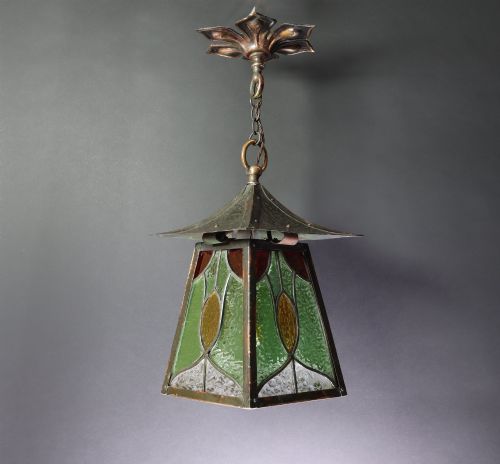
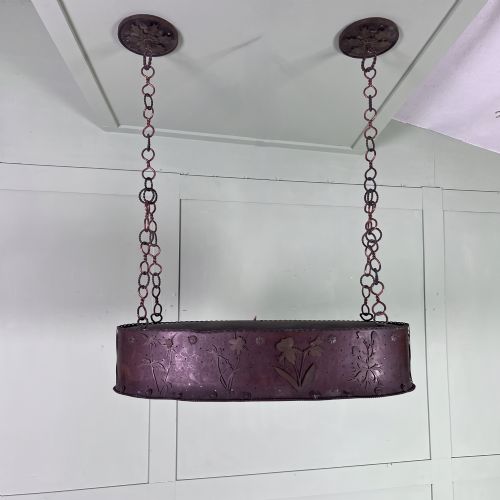
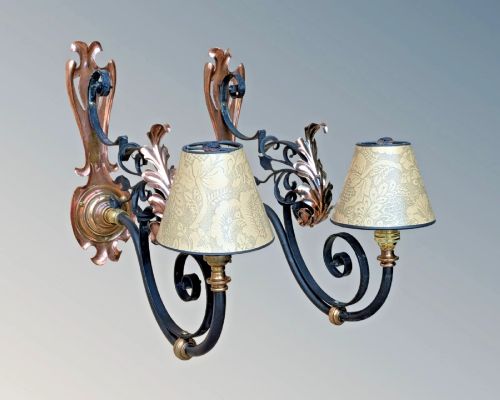
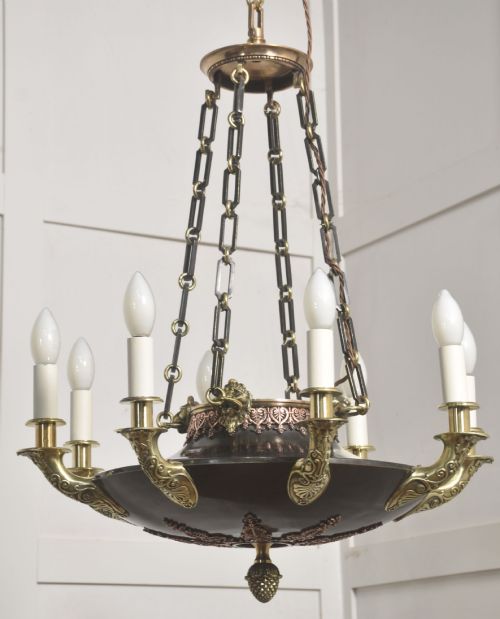
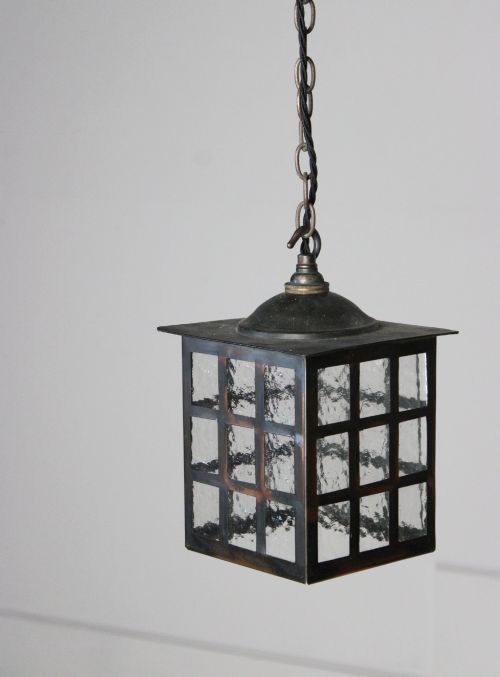
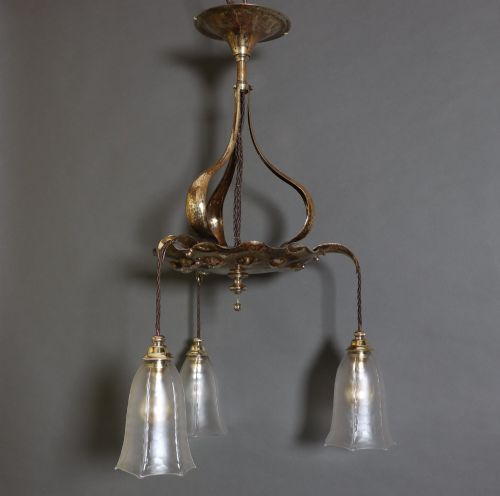
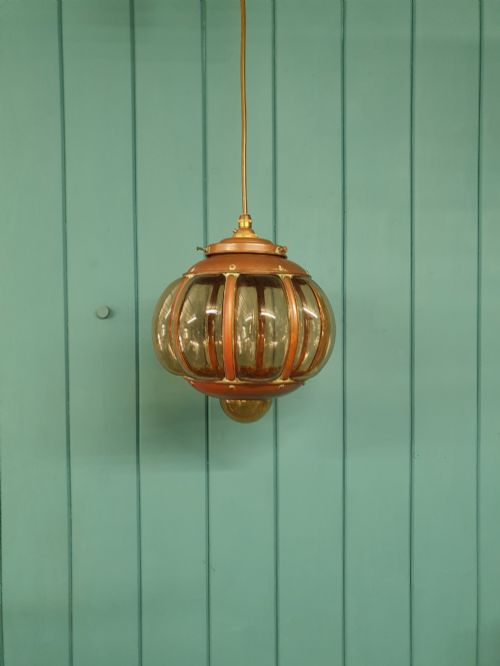
A vintage copper fixture encompasses lighting pieces designed to illuminate interior and exterior spaces with enduring metalwork. When exploring this selection, buyers encounter ceiling lights, pendant lights, chandeliers, wall lights, outdoor lanterns, and oil lamps.
The objects span multiple eras, including Victorian, Edwardian, and 1930s periods, reflecting styles such as Arts and Crafts, Art Deco, Empire Revival, and Industrial. These diverse forms serve practical illumination while adding character to domestic or commercial interiors.
Materials and construction
Makers shaped sheet metal by hand, often beating the surfaces to create textured finishes visible on Arts and Crafts pieces. Structural components frequently combined copper with brass or wrought iron to ensure rigidity and varied visual contrast.
Lighting elements incorporated clear, frosted, or smoked glass shades housed within the metal frames. Rivets, soldered joints, and hand-chased details bound the components together, creating durable hanging and wall-mounted fixtures.
Vintage Copper Fixture Retail Price Guide 2026
Typical asking prices for vintage copper fixture among the pieces listed under this phrase on Sellingantiques today, from the lower quarter to the upper quarter. They describe what is for sale here now, not the wider market.
Some lanterns retain the faint scent of old paraffin from their days as street lamps, whispering of foggy Victorian evenings.
Evaluating craftsmanship and integrity
Quality rests in the weight of the metal and the precision of the hand-chased or beaten surface work. Superior examples display careful structural joining and integrated brass or iron elements that remain stable over decades of use.
The selection of glass components also dictates the caliber of a piece, with heavy smoked or frosted shades holding greater presence than thin replacements. Original patination and intact structural assemblies separate standard production items from finer workshop creations.
Jean Gauthier
The Vintage Copper Fixture Glossary
- Chased
- A technique where metal is worked from the front with a hammer and punch to depress the surface and form decorative patterns. This creates tactile relief on lamp bodies and wall plates.
- Smoked glass
- Glass treated to have a darkened, translucent appearance, diffusing bulb glare while adding a moody tone to pendant and ceiling lights.
- Pendant light
- A hanging luminaire suspended from the ceiling by a chain, cord, or metal rod. These direct light downwards into specific zones of a room.
- Wrought iron
- Iron beaten and bent while hot into structural brackets and armatures. It provides robust support for heavy copper lantern bodies.
Vintage Copper Fixture: Frequently Asked Questions
How do I hang a heavy copper pendant light safely?
Suspension requires fixing the fixture to a ceiling joist or structural noggin using a suitable steel mounting bracket. Wiring should be handled by a qualified electrician to ensure the internal components safely bear the weight.
Older hanging chains and ceiling roses must be checked for metal fatigue before installation. Securing the load properly protects both the ceiling and the antique metalwork.
Can these outdoor lanterns withstand modern weather?
Many outdoor lanterns were built for exterior use, but historical seals and wiring rarely meet current waterproof standards. Fitting them beneath a porch or awning protects the vintage copper from sustained moisture.
An electrician can modernise internal lamp holders while preserving the exterior housing. Regular gentle cleaning keeps verdigris under control without stripping the historic surface.
How should I clean aged copper without ruining the finish?
Dusting with a dry, soft cloth is normally sufficient for routine maintenance. Avoid harsh chemical cleaners or abrasive pads that strip away the natural patination built up over decades.
If the metal requires deeper cleaning, use a mild, pH-neutral soap solution followed by thorough drying. Preserving the surface colour maintains the historical character of the piece.
What is the difference between Arts and Crafts and Art Deco fixtures?
Arts and Crafts pieces emphasise visible hand-beating, structural rivets, and medieval Gothic influences. The surfaces display tool marks and organic warmth suited to rustic or traditional interiors.
Art Deco designs favour geometric symmetry, sleek lines, and pairings with pressed glass shades like smoked or frosted panels. These later items reflect industrial modernity and machine-age styling.