

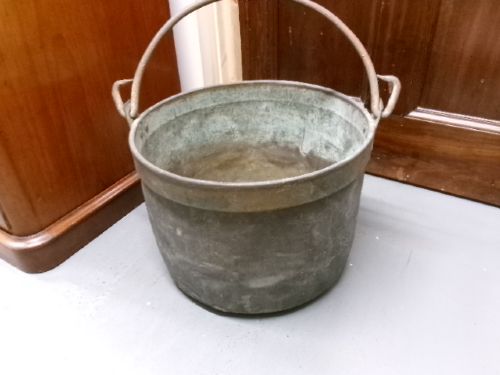
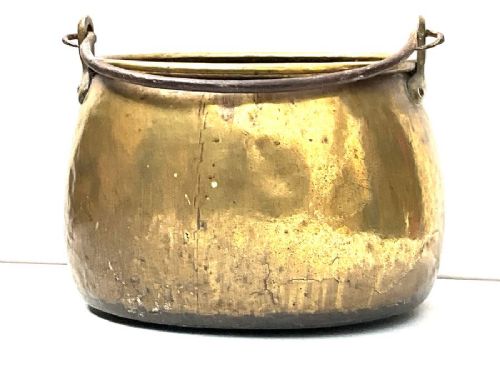


Vintage Cooking Vessel
These vintage cooking vessel examples bring genuine warmth and utilitarian heritage into modern interiors through honest metalwork.
Vintage Cooking Vessel
A vintage cooking vessel encompasses heavy metal and ceramic kitchenware designed for hearth and fire, originating across the eighteenth and nineteenth centuries. When searching for a vintage cooking vessel, buyers encounter sturdy cauldrons, lidded pots, and handled pans intended for serious domestic service.
Forms vary from swinging-handled brass cauldrons to riveted copper vessels and heavy stoneware dishes. Each item carries the distinct mark of practical kitchen use, whether intended for bubbling stews or open-fire roasting.
Materials and construction methods
These kitchen pieces rely upon durable metals and dense earths, primarily utilising copper, brass, iron, wrought iron, stoneware, and clay. Smiths and artisans shaped these materials to withstand direct flame and intense hearth heat.
Construction details include hand-riveted joints, swing handles, and embossed ornamentation on heavy copper bodies. Stoneware dishes and clay pots provide the necessary alternative for baking and slow-simmering without metal interaction.
Vintage Cooking Vessel Retail Price Guide 2026
Typical asking prices for vintage cooking vessel among the pieces listed under this phrase on Sellingantiques today, from the lower quarter to the upper quarter. They describe what is for sale here now, not the wider market.
Object forms recorded here range from fireplace and hearth accessories to dedicated cookware, pots, pans, and planters.
Judging metal and ceramic standard
Quality in these kitchen items rests upon metal weight and the integrity of construction, distinguishing heavy-gauge vessels from lighter utilitarian wares. Substantial brass pans and thick copper pots demonstrate superior craftsmanship through robust handles and secure riveting.
The distinction also lies in surface depth and decorative restraint, where embossing or refined Georgian proportions elevate a simple kitchen tool into a display piece. Finer vessels retain their structural balance and original fittings despite centuries of exposure to hearth fires.
The Vintage Cooking Vessel Glossary
- Cauldron
- A large metal pot with a swing handle designed for hanging over an open fire. These deep vessels formed the centre of historical hearth cooking.
- Daubiere
- A specialised heavy-lidded pot traditionally used in French cooking for braising meats slowly. These vessels often feature tight-fitting lids to trap moisture.
- Stoneware
- A dense, impermeable ceramic fired at high temperatures to create durable kitchen dishes. This material resists liquids and holds heat efficiently.
- Riveted
- Joined together using metal pins hammered flat to secure handles and seams permanently. This technique ensures strong bonds under heavy loads.
Vintage Cooking Vessel: Frequently Asked Questions
What is a vintage cooking vessel?
A vintage cooking vessel is a historical pot, pan, or dish made from copper, brass, iron, or stoneware used for preparing food over open fires or hearths. These items range from Georgian saucepans to Victorian cauldrons.
They reflect the utilitarian domestic practices of past centuries, combining heavy materials with functional design.
How were these vessels used?
These pieces served directly on open hearths and fires for boiling, stewing, braising, and baking before modern stoves existed. Heavy cauldrons hung from swing handles, while pans sat on trivets or directly in embers.
Over time, many transitioned from active kitchen duty to decorative display as domestic technology evolved.
How do I date a copper pan?
Dating relies upon manufacturing techniques, handle attachment styles, and stylistic markers associated with periods like the Georgian and Victorian eras. Hand-riveting, heavy gauge metal, and specific handle shapes often indicate earlier eighteenth or nineteenth-century origins.
Maker marks and distinct patination further help place the piece within its historical context.
Can I cook in these pots now?
While many metal and stoneware vessels remain physically robust, historical kitchenware often requires professional assessment for interior linings and stability. Some buyers prefer to utilise them purely as decorative focal points or planters.
Displaying them in kitchens or living spaces highlights their rich metallic textures and handmade heritage.