




Vintage Convex Art
These vintage convex art pieces bring real depth to a wall, offering curved glass and spherical surfaces that catch the light from every angle.
Vintage Convex Art
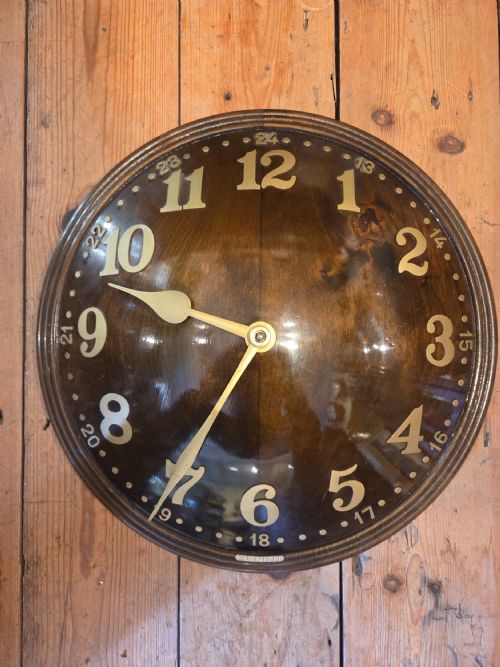
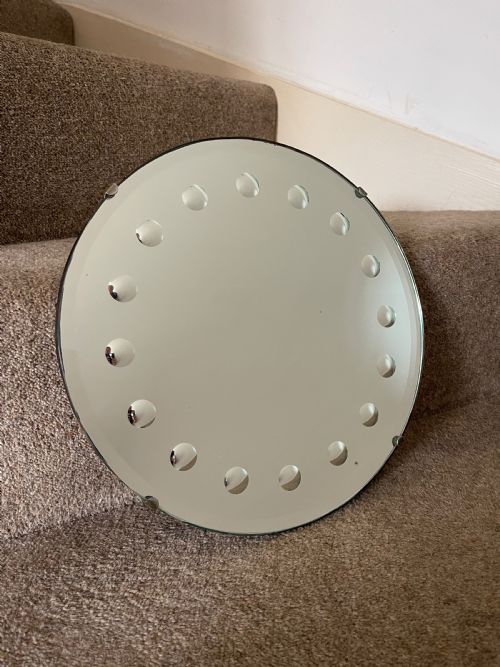
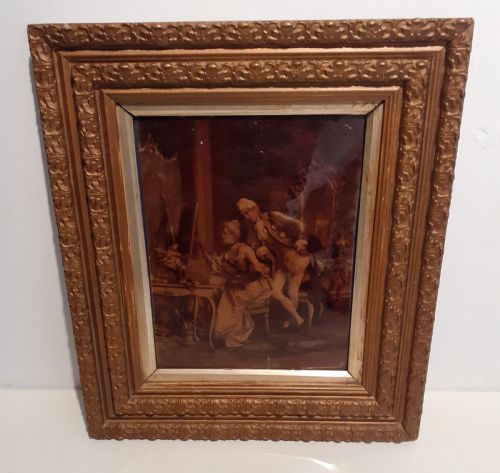
Vintage convex art encompasses a distinct collection of curved wall objects, ranging from Victorian and Edwardian chrystoleums to French sunburst mirrors and 1950s wall clocks. When searching for vintage convex art, buyers encounter varied interpretations of domed glazing, including oil paintings, self-portraits, and framed prints of ladies.
The objects on this page span several distinct eras, drawing heavily from nineteenth-century techniques alongside Art Deco and mid-century styles. Gilded wood and walnut frames often house the curved glass elements, creating traditional focal points for domestic interiors.
Wall mirrors and framed pictures dominate the forms seen here, frequently featuring ornate oval shapes or dramatic sunburst silhouettes. These pieces rely on their three-dimensional glass fronts to distort and reflect light in ways flat surfaces cannot achieve.
How they were made
Makers utilised specialised curved glass, often referred to as dome fronted glass, placed over hand-tinted prints or oil paintings in the case of chrystoleums. These multi-layered Victorian and Edwardian images required meticulous application of watercolours to the back of a print before it was mounted against the convex glass.
Frames were constructed from wood such as walnut or shaped as gilded wood and giltwood to support the tension of the curved glazing. Brass elements and mechanical clock components also appear, integrated into the wooden structures to form functional wall clocks and decorative timepieces.
Vintage Convex Art Retail Price Guide 2026
Typical asking prices for vintage convex art among the pieces listed under this phrase on Sellingantiques today, from the lower quarter to the upper quarter. They describe what is for sale here now, not the wider market.
Listings span from the nineteenth century through to mid-century French design, utilising wood, brass, and specialised convex glass.
What varies in quality
The standard of the framing defines much of the visual weight, with deeply carved giltwood and ornate Victorian rococo revival moulding standing apart from simpler timber surrounds. Heavier gilding and intricate plasterwork on sunburst frames demand superior craftsmanship compared to plain wooden borders.
The clarity and integrity of the convex glass itself dictates the overall success of the piece, particularly where layered chrystoleums are concerned. Smooth, distortion-free curved glazing preserves the painted detail underneath without trapping distracting bubbles or cloudiness.
Joseph Biel·Schweninger·Zenith
The Vintage Convex Art Glossary
- Chrystoleum
- A Victorian method of applying oil or watercolours to the inside of a convex glass pane placed over a hand-coloured print. This technique created a luminous, three-dimensional effect popular during the nineteenth and early twentieth centuries.
- Giltwood
- Timber that has been coated with a thin layer of gold leaf or gold paint. It provides a bright, reflective surface often seen on ornate nineteenth-century frames.
- Sunburst mirror
- A decorative wall mirror featuring radiating wooden or metal rays surrounding a central convex glass plate. The form gained significant popularity in mid-century French design.
- Dome fronted glass
- Curved glazing manufactured to project outward from the frame. This technique adds depth and distorts light across the surface of prints and paintings.
- Rococo revival
- A nineteenth-century design style characterised by asymmetrical scrollwork, floral motifs, and ornate curves. It heavily influenced the frames produced during the Victorian period.
Vintage Convex Art: Frequently Asked Questions
What is a chrystoleum?
A chrystoleum is a historic image created by placing a coloured print behind convex glass and hand-painting details onto the reverse.
This painstaking process produced a rich, layered appearance that resembles an oil painting under domed glass.
How do I hang heavy convex mirrors?
Heavy gilded frames require secure wall fixings anchored directly into masonry or sturdy wooden studs rather than standard plasterboard hooks.
The substantial weight of the curved glass and wooden backing demands proper structural support.
How should I clean convex glass?
Clean the curved surface gently using a soft microfibre cloth and a mild glass cleaner sprayed onto the cloth rather than the glass.
Avoid applying heavy pressure to the centre of the dome, as older glass can be fragile.
Are convex clocks still working?
Many vintage wall clocks retain their mechanical movements, though operational condition varies from piece to piece.
Buyers should check individual listings to confirm whether a clock has been recently serviced or runs reliably.