






Vintage Continental Porcelain
Vintage continental porcelain brings European kilns to the mantelpiece, offering intricate figures, trays and mirrors shaped by centuries of ceramic tradition.
Vintage Continental Porcelain
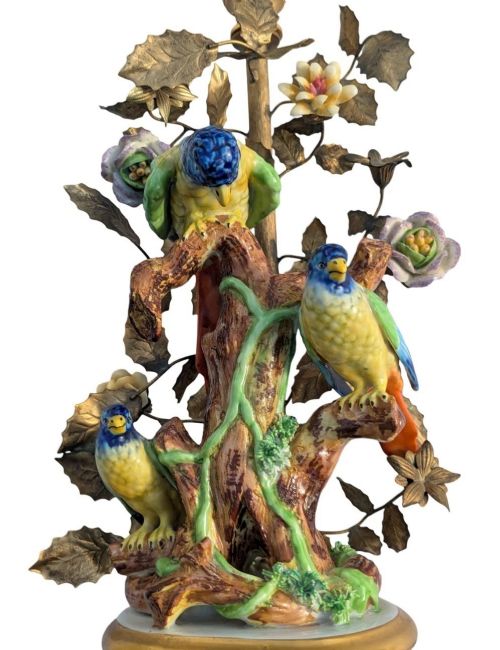
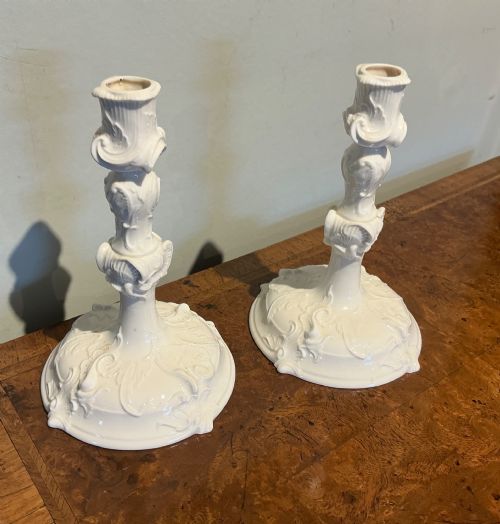
Vintage continental porcelain encompasses a broad range of ceramic items originating from European factories outside Britain, spanning periods from the eighteenth century through to the twentieth century. When exploring vintage continental porcelain, buyers encounter diverse forms including decorative figurines, sculptural groups, candlesticks, serving trays and dressing table mirrors. These objects reflect various regional aesthetics from German porcelain works to French studios.
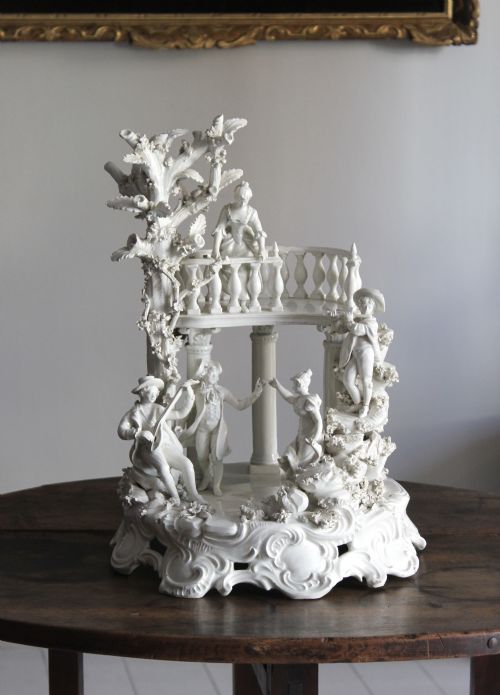
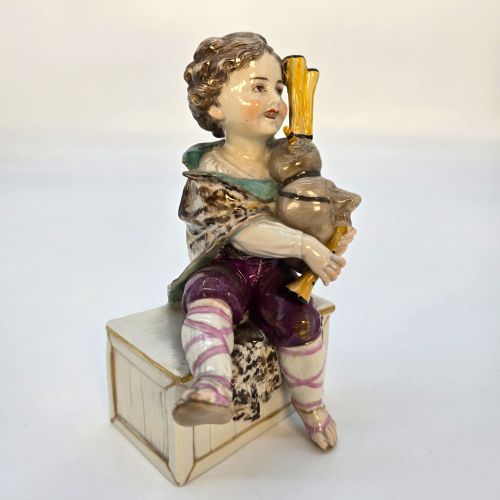
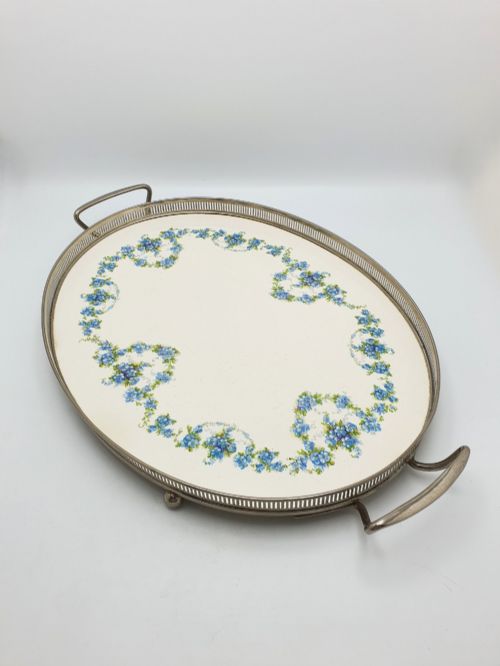
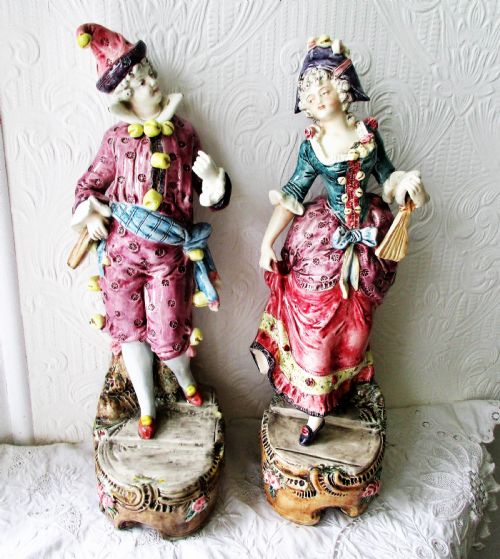
The pieces on this page lean heavily towards figural works and decorative homeware, featuring figures of maidens, farmers, harvesters and pairs of lovers. Alongside these sculptural forms, domestic items such as tobacco jars, inkwells, cache pots and oval serving trays appear frequently. These functional and ornamental objects demonstrate the varied output of continental kilns across different eras.
Materials and methods
Production relies heavily on hard-paste porcelain and bisque porcelain, complemented by earthenware and ceramic bodies. Makers shaped these materials into complex forms, often utilising detailed moulding techniques for figures and sculptural groups.
Decoration involved applied glaze, hand-painted enamel, and the addition of gold leaf highlights. Brass bases and mounted hardware occasionally supported larger porcelain bodies, such as mirrors and inkwells.
Vintage Continental Porcelain Retail Price Guide 2026
Typical asking prices for vintage continental porcelain among the pieces listed under this phrase on Sellingantiques today, from the lower quarter to the upper quarter. They describe what is for sale here now, not the wider market.
Listings feature hard-paste porcelain, bisque porcelain, and earthenware across periods spanning from the eighteenth century to the mid-twentieth century.
Assessing craftsmanship and finish
Quality rests in the crispness of the modelling and the delicacy of the hand-painted enamel work on figures and plaques. Finer pieces display subtle facial expressions and carefully defined garments, whereas lesser examples show softer details in the porcelain body.
The application of glaze and gold leaf further distinguishes finer manufacture, maintaining smooth surfaces without pooling or loss of definition. Substantial scale and balanced proportions in large figural groups indicate superior studio output.
Volkstedt Rudolstadt Factory·C G Schierholz·Royal Dux
The Vintage Continental Porcelain Glossary
- Hard-paste porcelain
- A durable ceramic composition fired at very high temperatures, made from kaolin and petuntse. It forms the robust base of many continental figures and vessels.
- Bisque porcelain
- Unglazed white porcelain fired to a matt, porous finish that resembles marble. It is frequently utilised for detailed figures and sculptural groups.
- Cache pot
- An ornamental ceramic pot designed to conceal a plain flowerpot. These vessels often feature painted decoration or applied motifs.
- Enamel
- Coloured vitreous material fused to the porcelain surface through firing. It provides the vibrant palette seen on garments and floral centres.
- Gold leaf
- Beat gold applied in thin sheets to highlight details and borders. It adds a reflective finish to select continental wares.
Vintage Continental Porcelain: Frequently Asked Questions
How do I identify eighteenth-century pieces?
Eighteenth-century items often exhibit hand-painted detailing and distinct paste characteristics associated with early European kilns. Form and styling, such as rococo curves, provide additional period context.
Examination of the glaze and any factory marks helps confirm the era of production. Expert reference books assist in matching model numbers and decorative motifs to specific decades.
What is bisque porcelain?
Bisque porcelain is fired without a glossy glaze, leaving a matt, textured surface that resembles carved marble. This technique highlights fine sculptural details.
It was widely utilised for nineteenth-century figures and portrait groups. The unglazed finish requires careful handling to prevent staining.
How were serving trays used?
Serving trays functioned as decorative table wares for holding small items or serving refreshments in wealthy households. Painted floral centres added visual interest to the ceramic surface.
Many examples survived as display pieces rather than working items. Their robust construction allowed for regular domestic placement on dressing tables and sideboards.
Where were these items made?
Production centred in European regions with rich ceramic traditions, notably Germany and France. Major factories and smaller regional workshops contributed distinct regional styles.
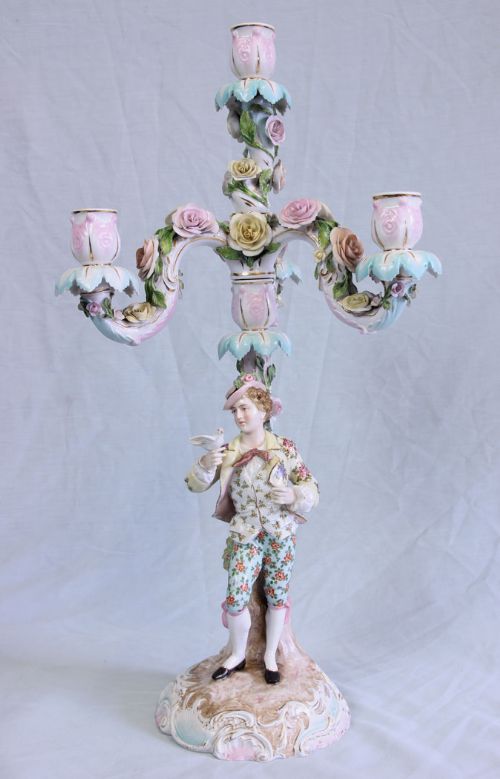
German kilns frequently produced elaborate figural groups and candelabra. French workshops favoured decorative mirrors and earthenware figures.