
Vintage Console Desk
A vintage console desk provides a practical surface for correspondence and display, drawn from Edwardian, Victorian, and later periods.
Vintage Console Desk
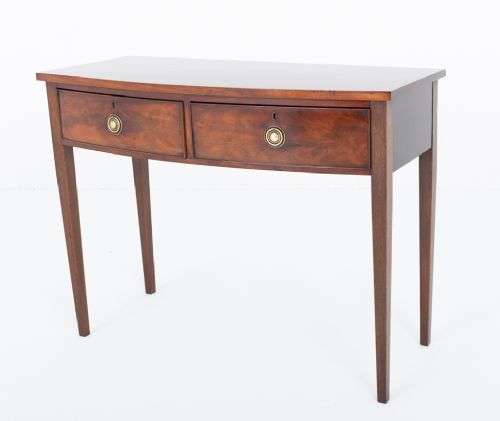
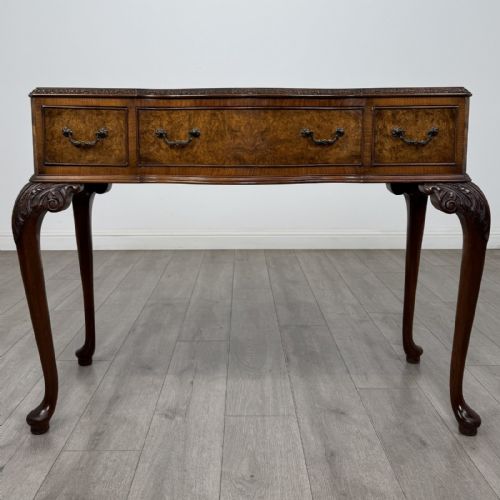
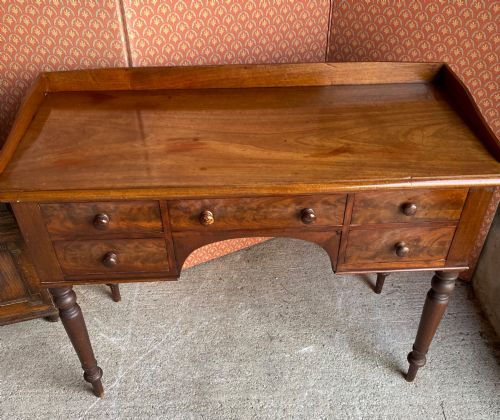
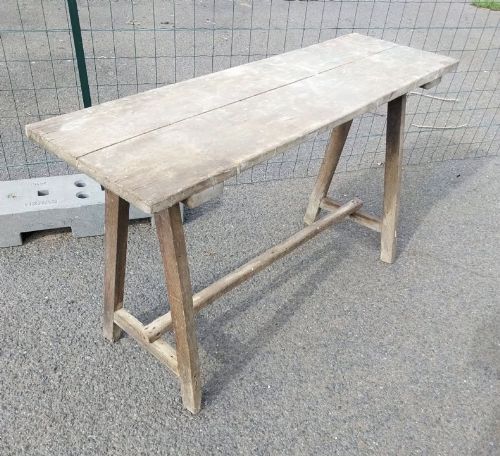
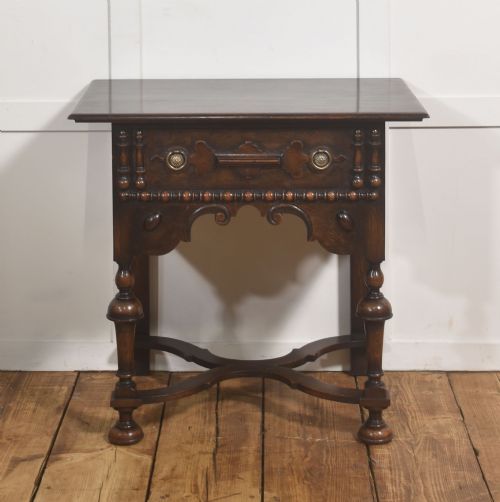
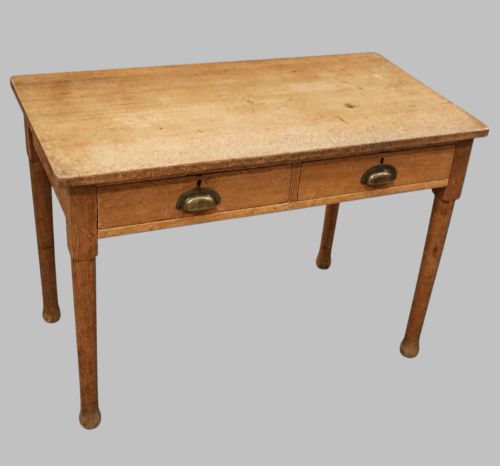
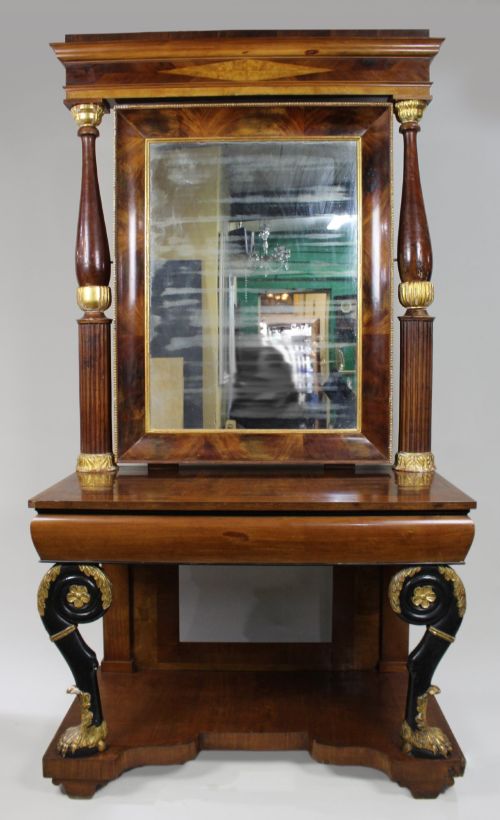
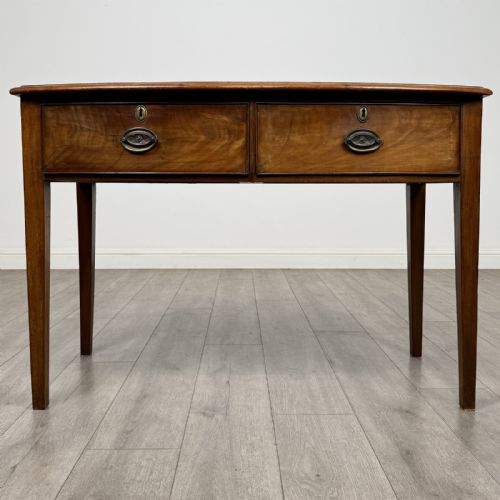
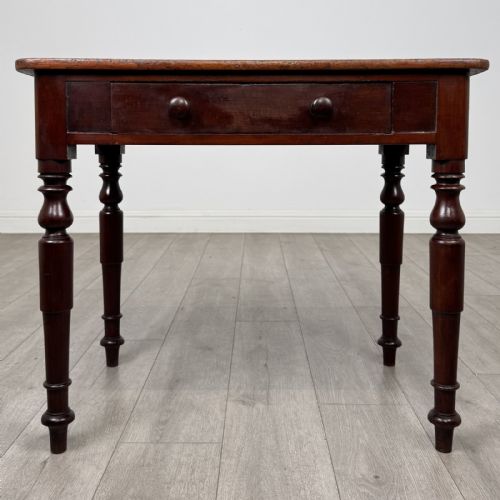
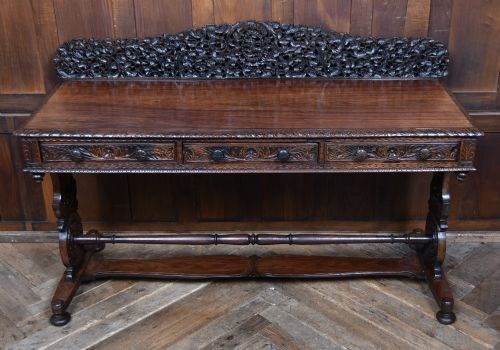
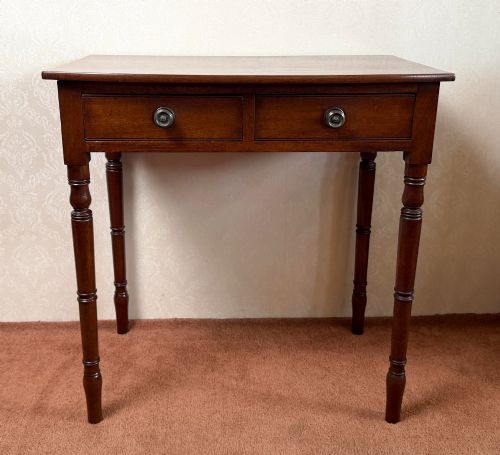
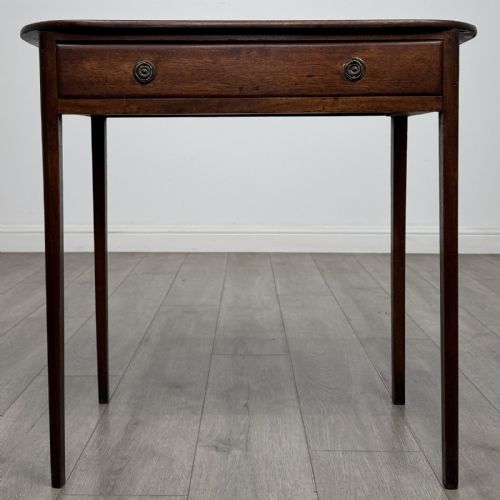
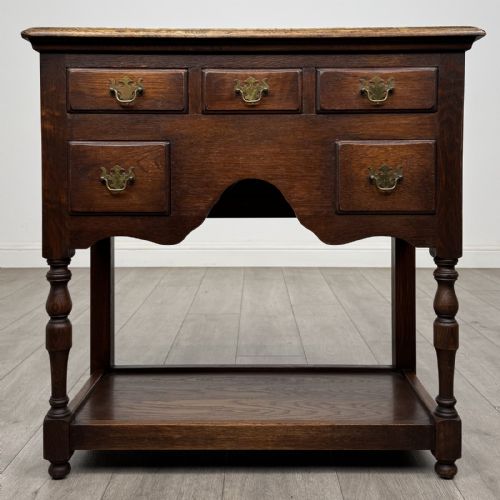
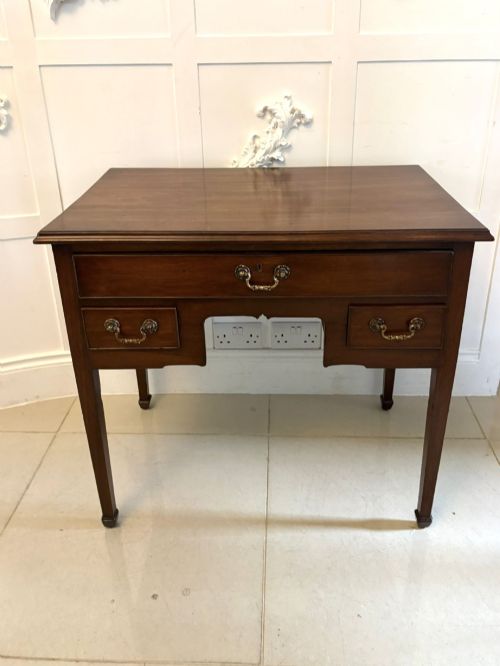
A vintage console desk combines the narrow profile of a hall table with the functional surface of a writing table, serving narrow spaces and hallways alike. When searching for a vintage console desk, buyers encounter forms that span side tables, lowboys, and dedicated writing desks.
The pieces on this page originate from the eighteenth century through to the 1930s, encompassing Edwardian, Victorian, and Regency eras. Oak and mahogany predominate among these listings, alongside pine, walnut, and occasional painted finishes.
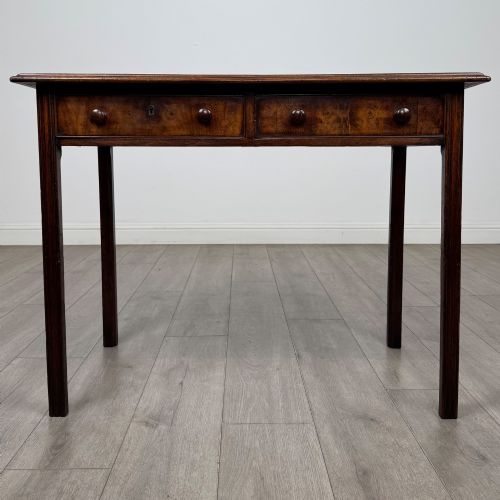
Makers and craftsmen adapted these tables for domestic writing and serving, resulting in versatile items with single or multiple drawers. The frequent appearance of writing tables and side tables within these categories demonstrates their dual utility as both desk and console.
Materials and construction methods
Cabinet makers relied heavily on solid hardwoods such as mahogany and oak, supplemented by pitch pine and figured walnut for veneered surfaces. Joinery techniques from the nineteenth and early twentieth centuries prioritized stability in narrow frames, utilising dovetail joints for drawers and mortise and tenon frames.
Secondary materials include brass handles, leather or suede writing inserts, and iron elements seen in industrial pieces. Painted finishes appear on French and Italian pieces, offering an alternative to polished timber.
Surviving sewing machine bases occasionally moonlight as sturdy iron-framed side tables.
Markers of superior craftsmanship
Quality in these tables rests upon timber selection and the retention of original hardware and patination. Figured burr walnut and clean mahogany indicate higher tiers of production, particularly when combined with secondary timbers of equal grade.
The integration of drawer linings, smooth running drawers, and intact inlaid detailing distinguish finer workshop pieces from simpler utilitarian tables. Original finish and honest timber movement outweigh heavy modern restoration.
The Vintage Console Desk Glossary
- Lowboy
- A small oak or walnut table with one or more drawers, originating in the eighteenth century and often used as a dressing or writing surface.
- Washstand
- A wooden washstand repurposed as a side table or console, typically featuring a timber top and occasional drawer storage.
- Sofa table
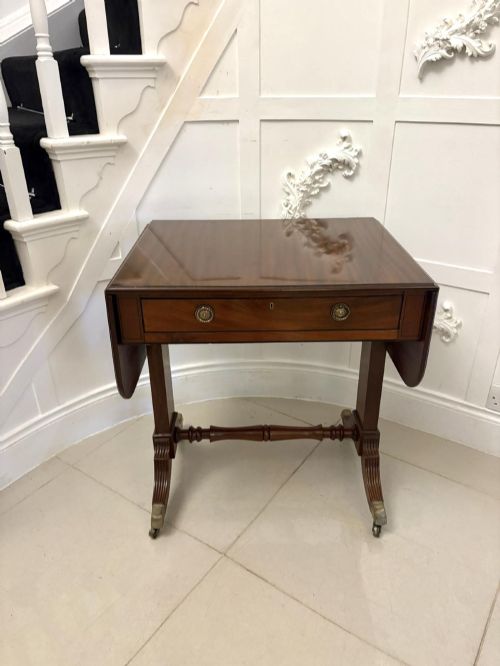
- A rectangular table designed to stand before a sofa, featuring drop leaves and paired pedestal or leg supports.
- Console table
- A table designed to fix against a wall or stand in a hallway, providing a shallow surface for display or writing.
Vintage Console Desk: Frequently Asked Questions
How do I use a console desk?
These narrow tables suit hallways, living rooms, and compact studies where standard desks prove too deep. Their shallow profiles allow them to function as writing surfaces, dressing tables, or display consoles.
Drawers provide storage for stationery and small items while keeping the surface clear for daily use.
What woods are most common?
Oak and mahogany appear most frequently among these listings, reflecting the dominant cabinet timbers of the eighteenth, nineteenth, and early twentieth centuries.
Walnut, pine, and painted timber also occur regularly, offering variations in grain, colour, and overall weight.
Are these tables suitable for daily writing?
Many examples on this page served originally as writing or library tables, equipped with sturdy timber legs and practical drawer space.
Check the height and knee clearance of individual pieces to ensure they accommodate modern seating comfortably.
How do I date a wooden table?
Dating relies on observing construction methods, timber choice, and hardware styles characteristic of periods such as the Edwardian era or the nineteenth century.
Hand-cut dovetails, secondary wood choices, and patination help distinguish older period pieces from later revivals.