


Vintage Compact Desk
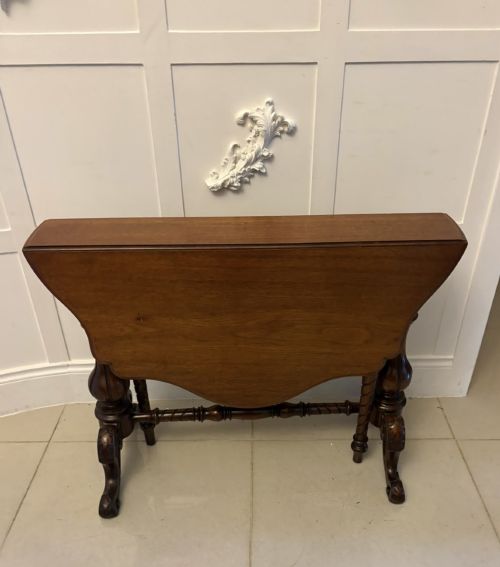
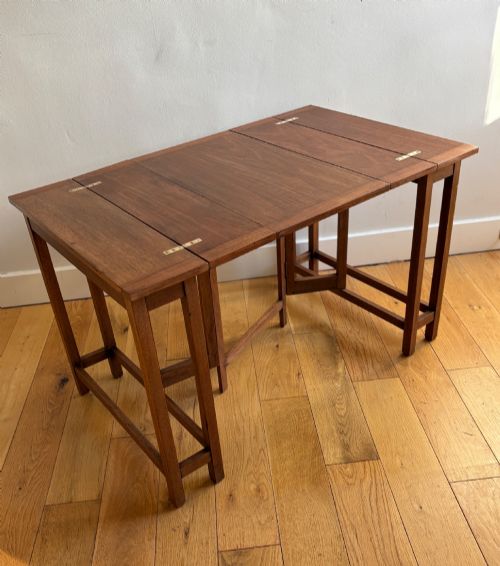
A vintage compact desk delivers functional workspace without dominating the room, bringing period character into modern home offices.
Vintage Compact Desk
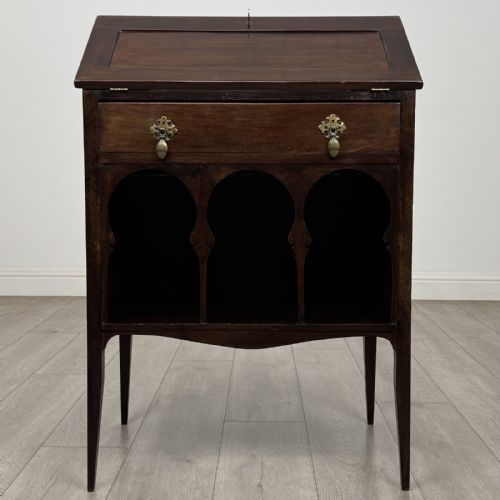
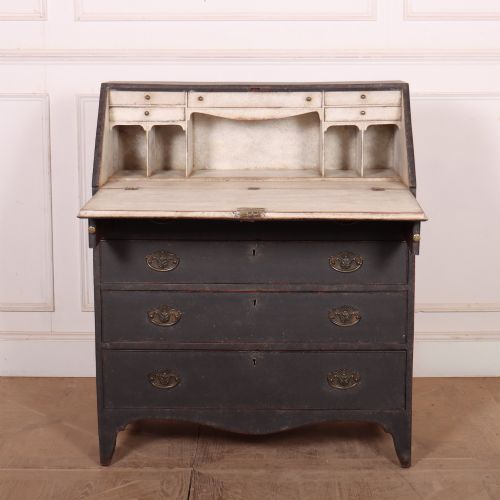
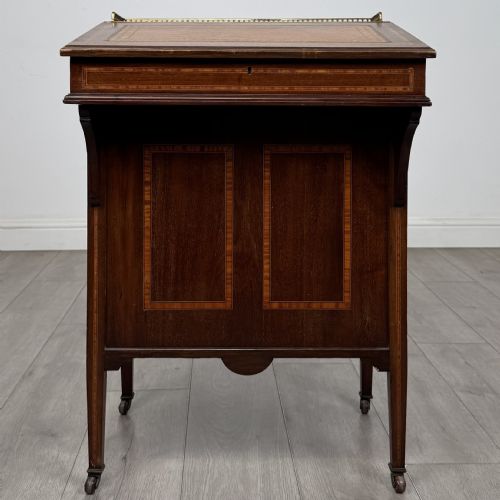
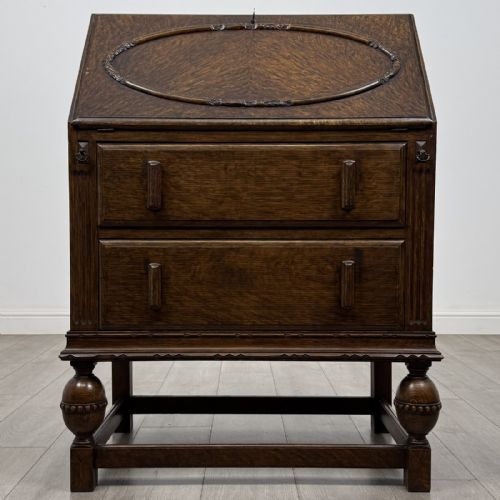
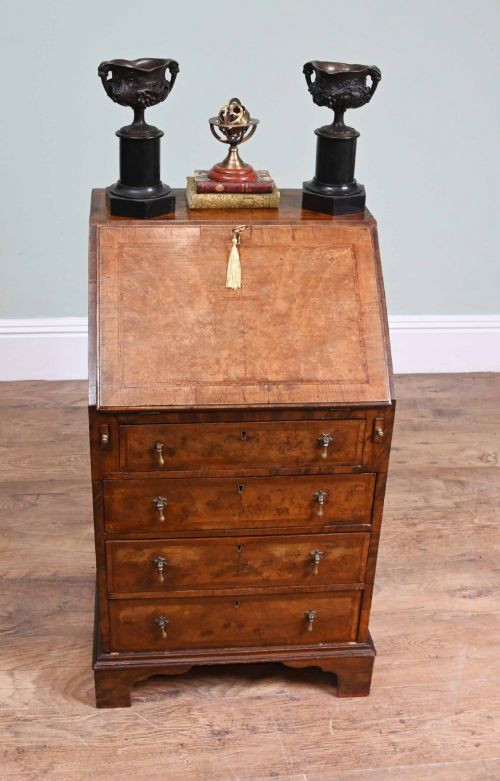
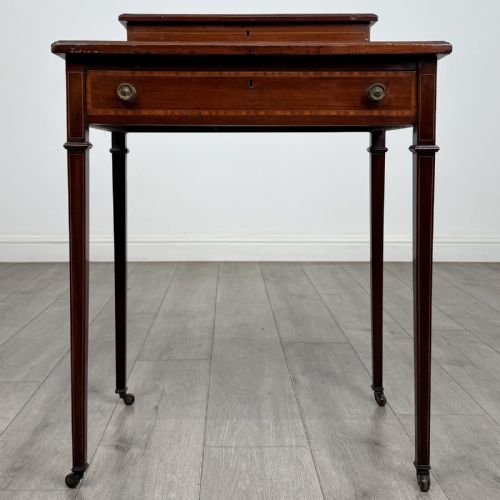
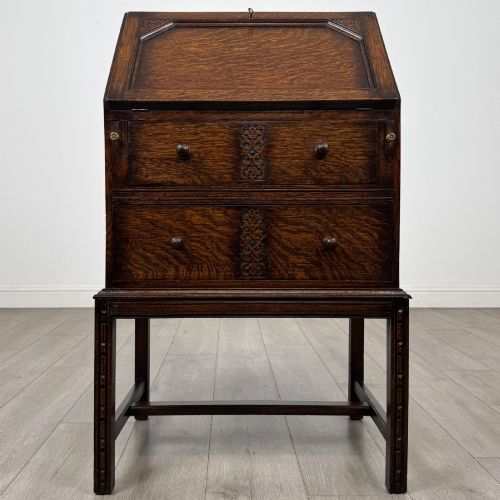
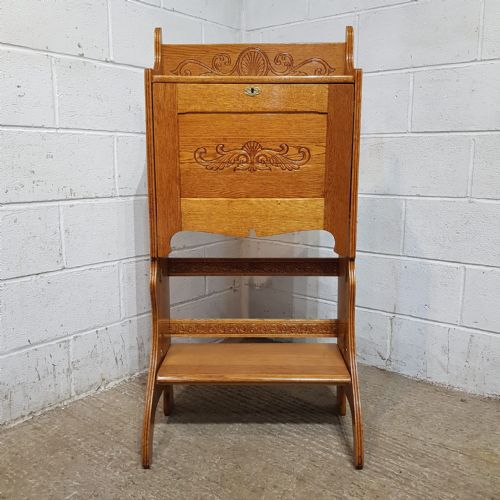
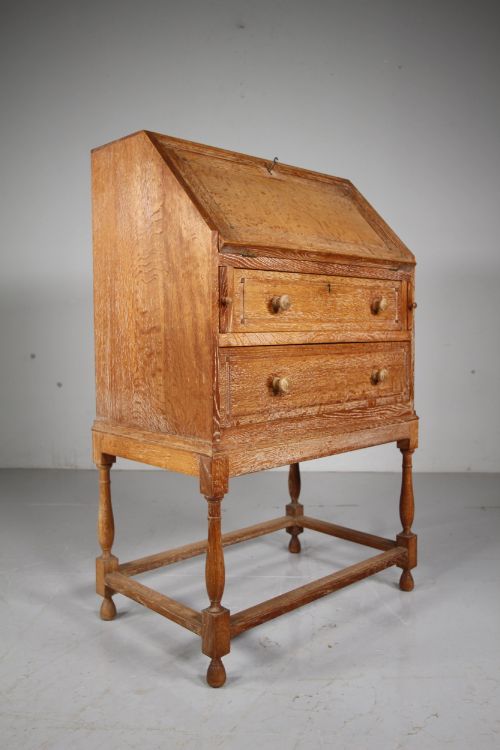
A vintage compact desk encompasses small writing tables, bureaux, pedestal desks, and bureau bookcases designed for efficient home use. Buyers searching for a vintage compact desk encounter pieces spanning the Victorian, Edwardian, and Art Deco periods, alongside examples styled after Georgian designs.
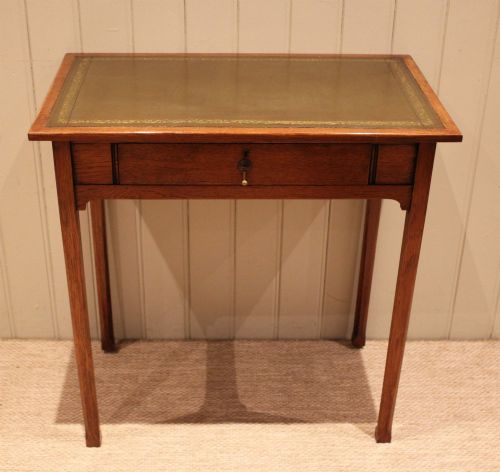
The Edwardian era and the 1920s dominate the available selection, frequently rendered in modest proportions suitable for tighter domestic spaces. Common forms include drop-front bureaux with fitted interiors and writing tables equipped with integrated drawers or leather writing surfaces.
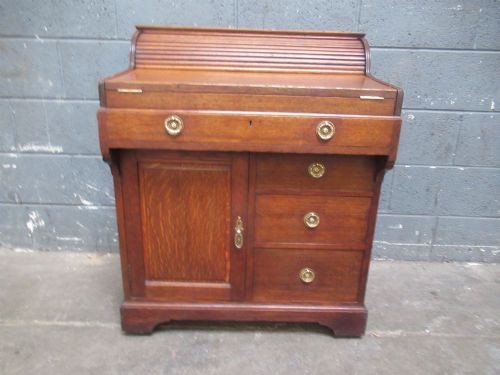
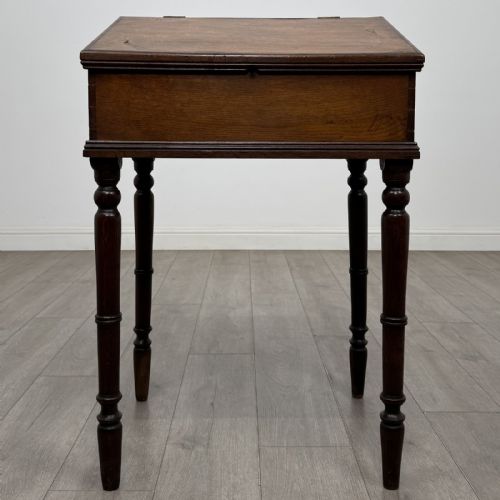
Makers such as Heals, E Gomme, and F.H. Marshall & Co Glasgow contributed notable variations during the Arts and Crafts and Art Deco movements. These pieces range from plain oak clerks' desks to burr walnut writing furniture featuring inlaid details and glazed upper cabinets.
Materials and Construction
Makers utilised solid and figured timbers, predominantly oak and mahogany, alongside walnut and burr walnut veneers applied to carcases. Structural strength relies on traditional joinery, while decorative appeal emerges through inlaid detail, golden oak finishes, and sycamore accents.
Writing surfaces frequently integrate leather inserts alongside brass handles, hinges, and lock escutcheons. Glazed doors on bureau bookcases and integrated metal lamps reflect the functional demands of the early twentieth century.
Vintage Compact Desk Retail Price Guide 2026
Typical asking prices for vintage compact desk among the pieces listed under this phrase on Sellingantiques today, from the lower quarter to the upper quarter. They describe what is for sale here now, not the wider market.
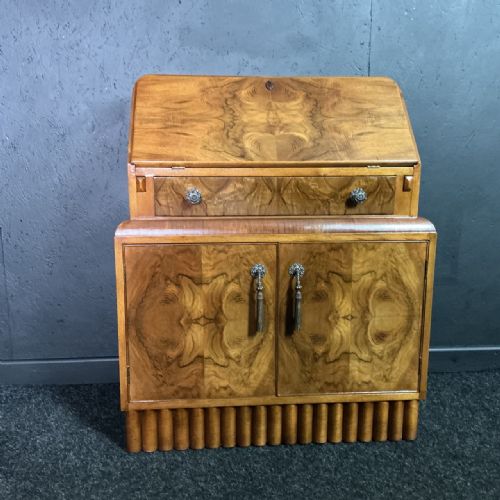
An Art Deco walnut desk comes with an integrated lamp, proving that early twentieth-century lighting was serious business.
Judging Quality
Distinctions in quality rest upon timber selection, such as the choice between plain oak and highly figured burr walnut veneers. Superior examples display careful grain matching and precise execution of inlaid decorative elements.
The complexity of the interior fittings, including pigeonholes, small drawers, and fitted writing compartments, marks the distinction between standard utilitarian pieces and finer craftsmanship. Maker signatures and labels, such as those from Heals or Bryn Mawr, confirm specific workshop standards.
Fred Foster·E Gomme·Heals·Larkin·F.H. Marshall & Co Glasgow·Bryn Mawr
The Vintage Compact Desk Glossary
- Bureau
- A writing desk featuring a sloping hinged flap that opens to reveal a fitted interior of pigeonholes and small drawers. This form allows correspondence to be concealed when not in use.
- Pedestal desk
- A freestanding writing table supported by two piers of drawers flanking a central kneehole. These configurations offer substantial storage beneath a primary working surface.
- Bureau bookcase
- A taller piece combining a lower writing bureau with an upper glazed or panelled cabinet for books and display. They maximise vertical storage within a compact footprint.
- Writing table
- A simple table designed primarily for correspondence, typically featuring one or more narrow drawers beneath the top. Many historical examples incorporate inset leather writing surfaces.
- Arts and Crafts
- A design movement prioritising honest construction, visible joinery, and natural timber finishes over ornate factory-produced ornamentation. Pieces from this tradition often utilise solid oak with subtle metal hardware.
Vintage Compact Desk: Frequently Asked Questions
What is a bureau?
A bureau is a desk with a hinged sloping flap that drops down to create a writing surface. Inside, it contains small compartments and drawers for stationery.
When closed, the sloped lid hides the paperwork from view. This makes it a tidy option for domestic spaces.
Where were these desks used?
These desks were built for domestic studies, bedrooms, and sitting rooms where space was limited. They provided a dedicated area for household accounts and personal correspondence.
Victorian and Edwardian homes relied on them before purpose-built office furniture became common in houses.
How do I care for wood surfaces?
Keep wooden surfaces away from direct sunlight and heat sources to prevent the timber from splitting. Regular dusting with a dry cloth maintains the finish without moisture damage.
Apply traditional wax polish occasionally to nourish older oak and mahogany. Avoid modern silicone sprays that can damage antique polishes.
How do I identify Edwardian pieces?
Edwardian desks often feature lighter mahogany or golden oak timbers compared to dark Victorian furniture. Inlaid stringing and simpler lines reflect early twentieth-century tastes.
Hardware on these pieces tends to be smaller and more refined than mid-Victorian brasses. Many bear stamps or labels from contemporary retailers.