




Vintage Collector Case
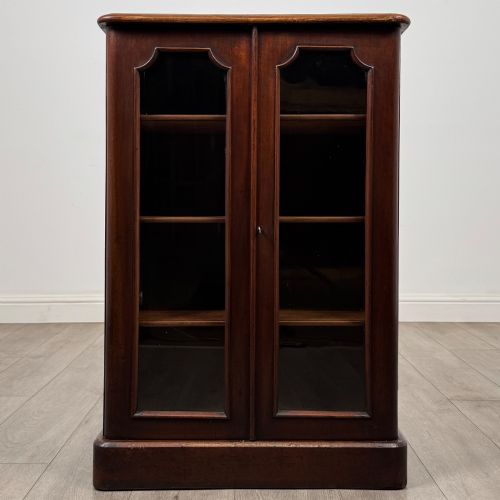
A vintage collector case holds small treasures safely, offering glass panels and fitted interiors to display anything from scientific instruments to silver spoons.
Vintage Collector Case
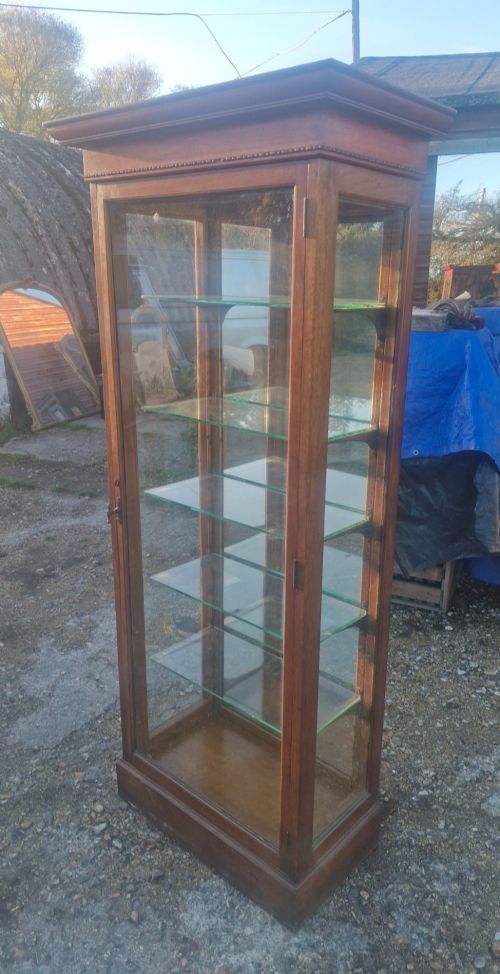
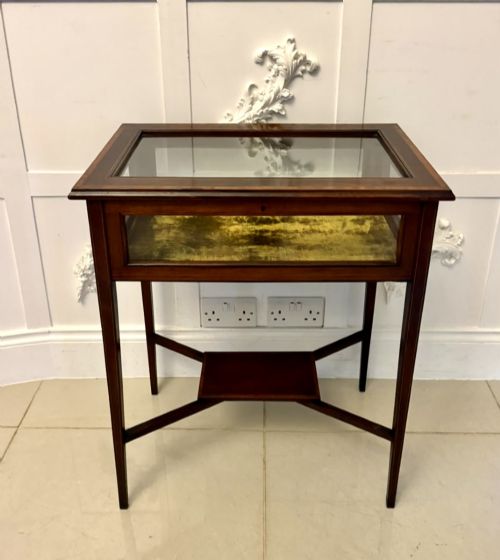
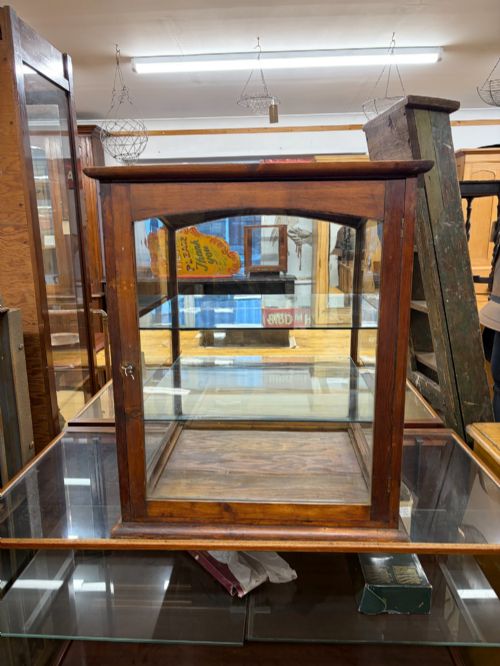
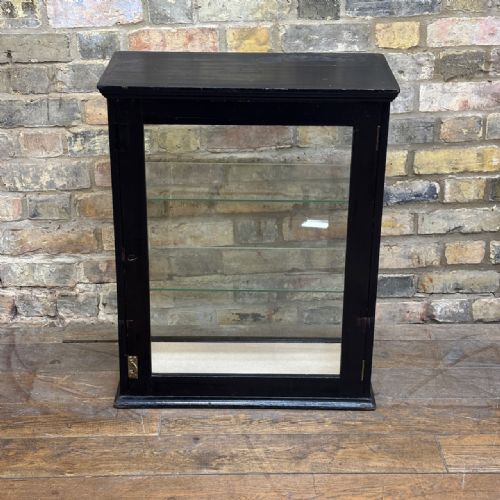
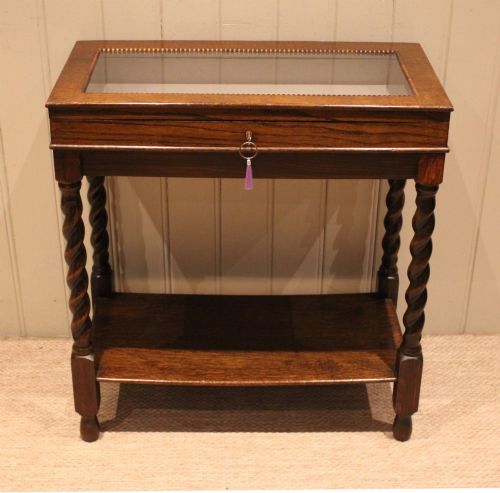
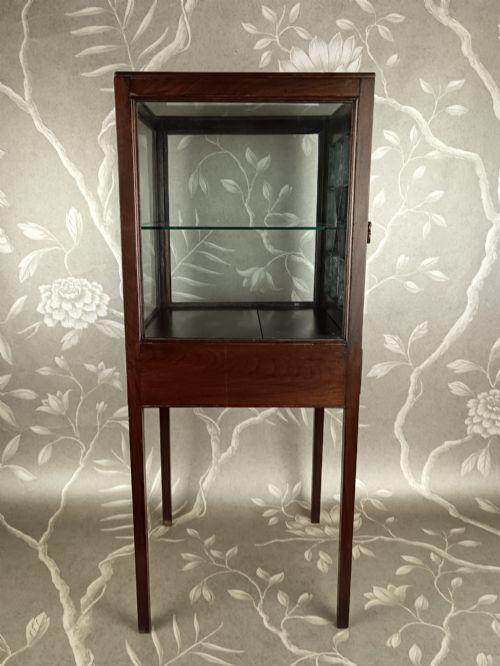
A vintage collector case encompasses wooden tabletop cabinets, glazed display tables, and countertop shop vitrines originating from the Victorian, Edwardian, and 1920s periods. These pieces serve to house and exhibit small objects like pocket items, specimens, and instruments.
The most common forms on this page include mahogany and oak countertop cabinets with glazed doors, alongside tabletop display cases and specialised specimen boxes. Many of these originated in commercial shops or domestic studies for orderly presentation.
Makers and craftsmen utilised glass, brass, velvet, and various woods to construct enclosures that protect items from dust while maintaining visibility. The resulting variety spans from desktop cigar humidors to tall apothecary cupboards.
Quality differences
The standard of a piece depends on the precision of the cabinetwork, particularly the tightness of glazed door joints and the smoothness of drawer operation in oak or mahogany. Finer examples incorporate thoughtful timber selection, such as figured mahogany or inlaid rosewood details.
Condition rests heavily on the original glass integrity and the preservation of interior linings like velvet or fabric. Superior items retain their original brass hardware, working locks, and structural rigidity without excessive timber replacement.
Vintage Collector Case Retail Price Guide 2026
Typical asking prices for vintage collector case among the pieces listed under this phrase on Sellingantiques today, from the lower quarter to the upper quarter. They describe what is for sale here now, not the wider market.
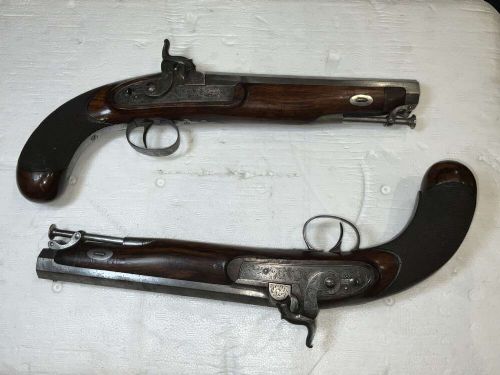
Storage forms range from countertop shop display cases and wall cabinets to specialised microscope boxes and firearm chests.
H Tatham London·Deakin & Francis·H Hughes & Son London·Alexander Adie of Edinburgh
The Vintage Collector Case Glossary
- Vitrine
- A glass-fronted cabinet or display case designed specifically for showing fine objects and curiosities. These units often feature glazed top panels or doors.
- Bijouterie table
- A shallow glass-topped table used for displaying small valuables, jewellery, or collections at a comfortable viewing height. They frequently date from the Edwardian period.
- Apothecary cabinet
- A set of small drawers and compartments originally utilised by pharmacists for organising medicinal ingredients and instruments. They are typically constructed from wood with multiple small pulls.
- Specimen case
- A specialised wooden box or cabinet fitted with shallow drawers for storing natural history samples or small artefacts. Interiors often include custom layouts for protection.
- Altazimuth theodolite
- A precision scientific instrument used for measuring horizontal and vertical angles in surveying. These brass devices usually arrive in fitted wooden transit boxes.
Vintage Collector Case: Frequently Asked Questions
What fits inside a tabletop display case?
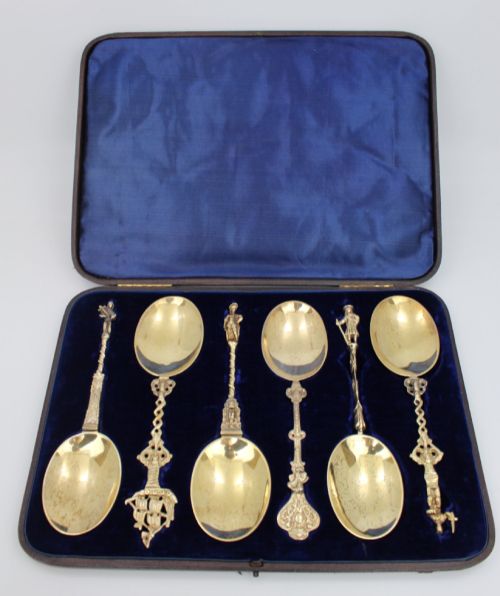
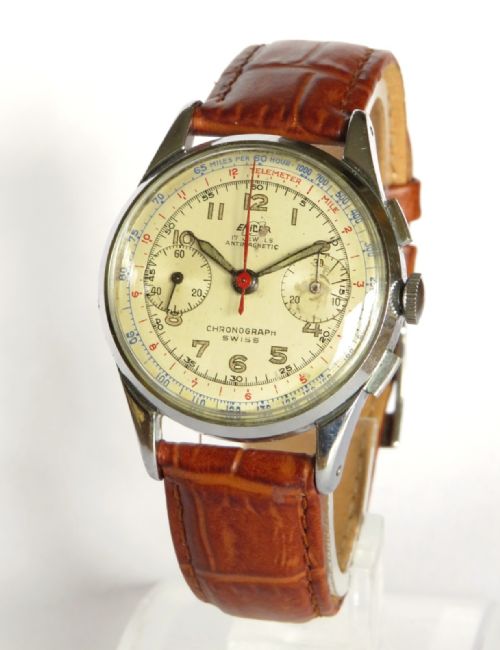
Tabletop display cases suit small items that benefit from overhead or side illumination through glass. Common contents include wristwatches, silver spoons, medals, and small scientific instruments.
The shallow depth keeps objects visible and organised without crowding the interior space.
How do I maintain wood and glass?
Wooden frames require occasional cleaning with appropriate beeswax or furniture polish to nourish the grain of mahogany or oak. Glass panels benefit from standard glass cleaner applied carefully to avoid touching fabric linings.
Keeping the case away from direct sunlight prevents fading on interior velvet or fabric surfaces.
Where were countertop cabinets used?
Countertop cabinets originated primarily in nineteenth and early twentieth-century retail shops to showcase small goods to customers. Merchants placed them on counters to deter handling while encouraging sales.
Later examples transitioned into domestic spaces for private collections and curiosities.
How do I identify an Edwardian cabinet?
Edwardian cabinets often feature lighter woods like inlaid mahogany and rosewood, reflecting a shift away from heavier Victorian styles. The lines tend to be cleaner, with subtle string inlay or satinwood banding.
Construction dates from the early twentieth century, showing machine assistance alongside traditional hand joinery.