



Vintage Coat Hanger Stand
A vintage coat hanger stand solves hallway clutter with substance, offering sturdy hanging space shaped by decades of domestic use.
Vintage Coat Hanger Stand
A vintage coat hanger stand encompasses freestanding coat stands, wall-mounted racks, and valet stands designed for garments and hats. You will most frequently encounter Edwardian and Victorian examples alongside French Art Deco and mid-century designs.
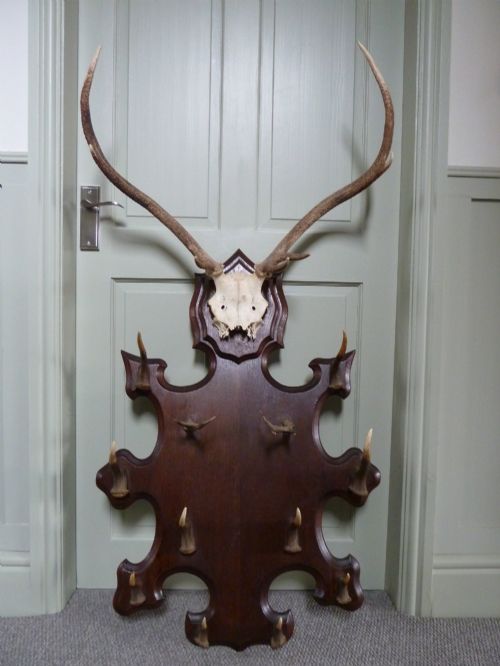
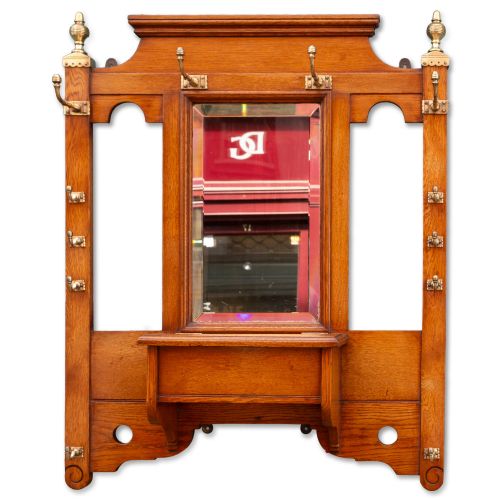
The selection ranges from large hall stands incorporating mirrors and stags' horns to compact wall-mounted brass rails and folding clothes hanging racks. Beech, oak, and walnut form the structural backbone of these pieces, often paired with brass or iron hardware.
Materials and construction
Timbers such as beech, oak, and walnut are shaped using traditional methods, including bentwood techniques seen in Edwardian and Thonet-style pieces. Carved details and turned wooden elements appear alongside applied brass hooks and chrome fittings.
Wall-mounted and freestanding variations utilise cast iron, brass, and glass components to secure garment weight. Surface finishes include polished wood, painted surfaces, and carved animal horn elements.
Vintage Coat Hanger Stand Retail Price Guide 2026
Typical asking prices for vintage coat hanger stand among the pieces listed under this phrase on Sellingantiques today, from the lower quarter to the upper quarter. They describe what is for sale here now, not the wider market.
A Black Forest carved bear stands ready in the hallway to guard your winter coats.
Judging quality and craftsmanship
Quality rests in the integrity of the joints, the weight of the metal hardware, and the choice of timber. Solid oak and walnut structures outlast lighter veneers, while original brass hooks and intact mirror plates elevate a piece.
Design ambition distinguishes standard utilitarian items from sophisticated pieces in the manner of specific makers or distinct artistic movements like Arts and Crafts and Art Deco.
The Vintage Coat Hanger Stand Glossary
- Valet stand
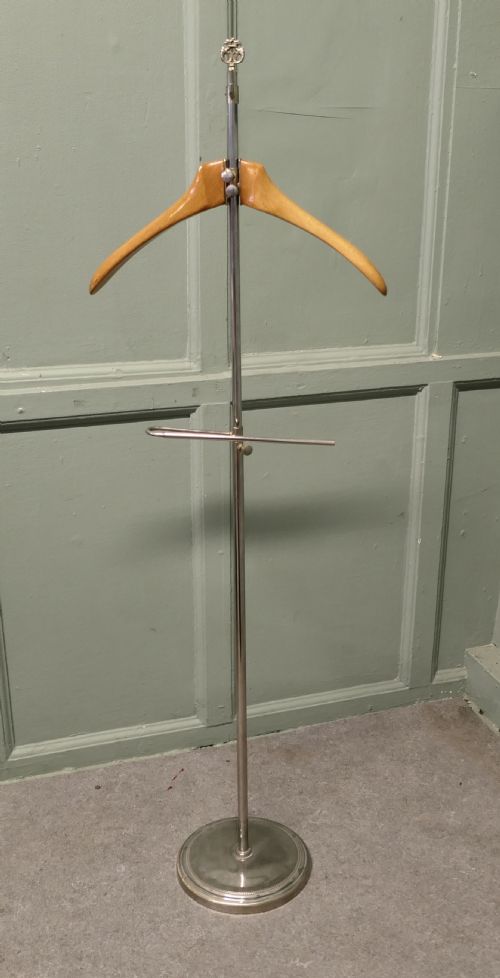
- A specialised piece of furniture designed to hold a suit, jacket, and accessories overnight. These often incorporate specific suit hangers and trouser rails.
- Bentwood
- Wood softened by steam and bent into curved structural forms. This technique defines many Edwardian coat stands.
- Hall stand
- A multi-functional piece situated in an entrance hall, combining coat hooks, umbrella wells, and frequently a mirror. They organise outerwear at the threshold of a home.
- Portmanteau
- A large freestanding hall piece that integrates hanging space, mirrors, and storage compartments. These substantial items originate from the nineteenth century.
- Stags horn
- Antler material utilised for decorative and functional hooks on Victorian country house hall stands. This organic medium provides robust hanging points.
Vintage Coat Hanger Stand: Frequently Asked Questions
What is a valet stand used for?
A valet stand is designed to hold a complete outfit, including a jacket, trousers, and accessories, ready for wear the following day. It keeps garments pressed and organised without occupying wardrobe space.
These pieces typically sit in a bedroom or dressing room rather than a hallway, focusing on individual garments rather than outdoor wear.
How do I tell an Edwardian coat stand from a Victorian one?
Victorian coat stands often feature heavier timbers, elaborate carving, and rustic materials like stags' horn or cast iron. They lean towards darker woods and substantial hall furniture.
Edwardian examples frequently utilise lighter oak or bentwood construction with cleaner lines. The aesthetic shifts towards simpler domestic utility while maintaining robust construction.
Are wall-mounted racks as sturdy as freestanding stands?
Wall-mounted racks provide excellent stability when properly fixed into masonry or timber studs. They bear heavy winter coats effectively while saving floor space in narrow hallways.
Freestanding stands offer flexibility of placement but require a balanced footprint to prevent tipping under heavy garments.
How do I care for antique wood furniture?
Maintain wooden frames by dusting regularly with a soft cloth and applying a quality beeswax periodically to nourish the grain. Avoid placing pieces in direct sunlight or near heat sources to prevent timber splitting.
Check metal hooks and wall fixings occasionally to ensure they remain secure under the weight of heavy coats.