




Vintage Cluster Pendant
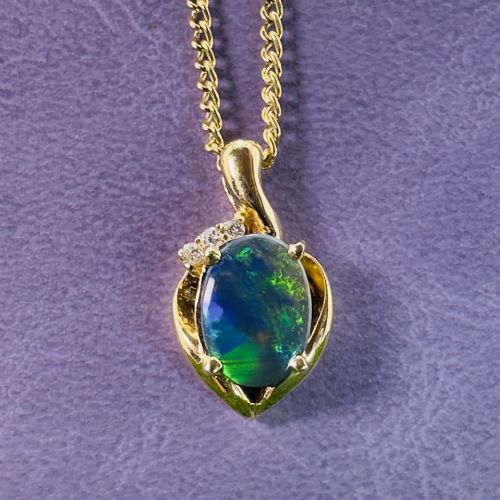
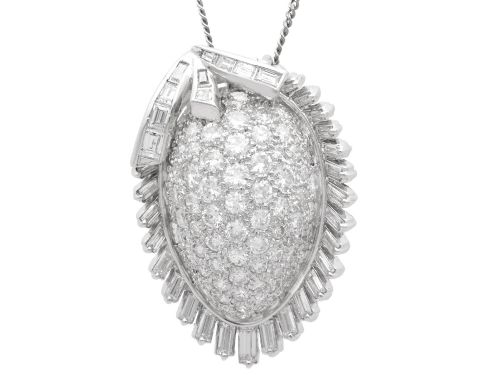
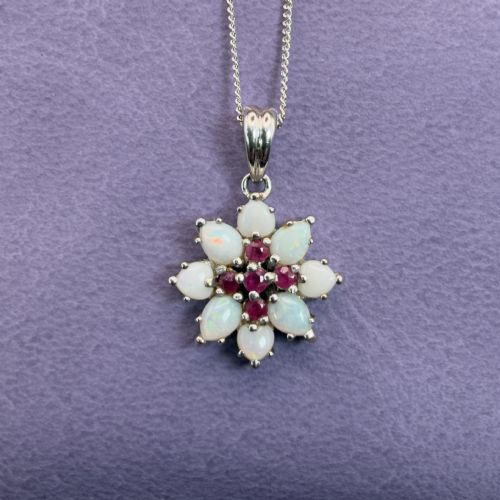
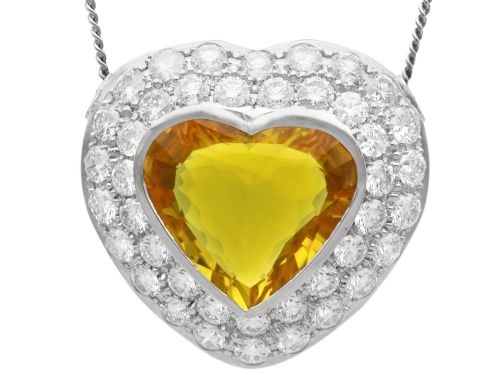
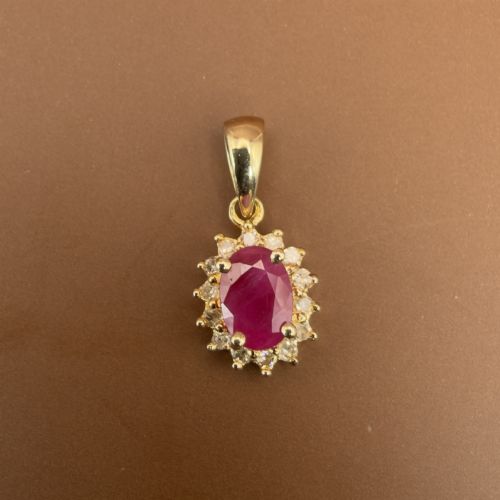
These vintage cluster pendant designs draw the eye with central gems held by tight orbits of smaller stones.
Vintage Cluster Pendant
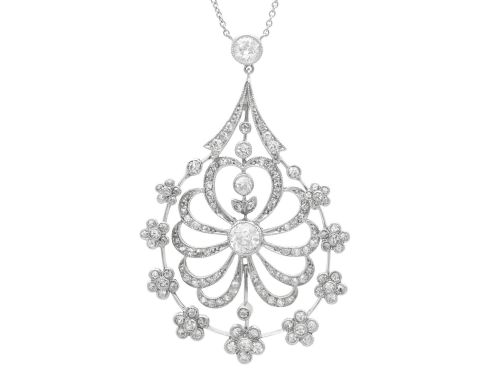
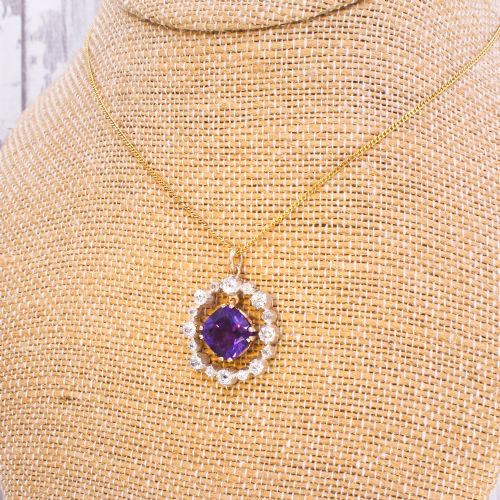
A vintage cluster pendant brings together a central gemstone encircled by a tight border of smaller accent stones, most frequently diamonds or seed pearls. When searching for a vintage cluster pendant, buyers encounter forms ranging from floral arrangements to geometric mid-century shapes.
The selections span periods from Victorian and Edwardian iterations through to 1950s and 1960s interpretations, reflecting shifting tastes in jewellery design. Central stones span sapphires, rubies, garnets, and amethysts, paired with matching drop arrangements or suspended directly from fine neckchains.
While many examples focus on traditional circular or oval motifs, others adopt heart, starburst, or organic contours. These pieces serve primarily as neckwear, though convertible designs bridge the boundary between brooches and pendants.
How they were made
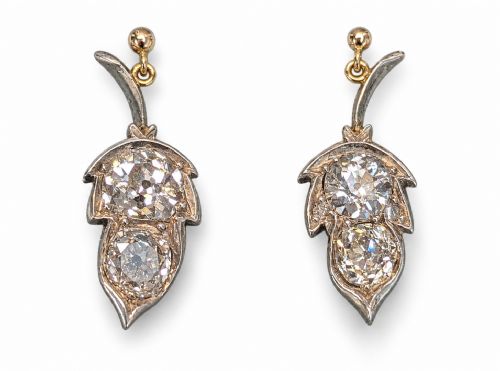
Goldsmiths set these stones primarily in 9ct or 18ct yellow and white gold, alongside platinum and silver mounts that matched the aesthetic demands of each decade. Early pieces often relied on silver-topped gold to enhance the brilliance of old-cut diamonds against darker metal bases.
Stone settings developed from early closed-back foil lined mounts to open-backed settings that allowed light to pass directly through the pavilion. Cluster arrangements required precise hand-cutting of accent gems to follow the precise contours of the central focal stone without gaps.
Vintage Cluster Pendant Retail Price Guide 2026
Typical asking prices for vintage cluster pendant among the pieces listed under this phrase on Sellingantiques today, from the lower quarter to the upper quarter. They describe what is for sale here now, not the wider market.
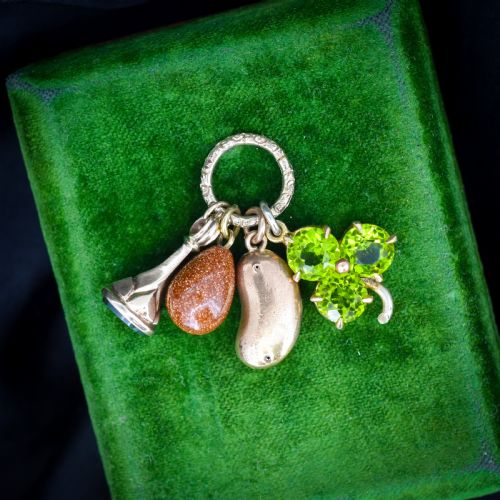
Pigs, bugs, and ivy tumble together on antique split rings, proving that Victorians loved a whimsical charm cluster just as much as a precious one.
What varies in quality
The visual strength of a cluster pendant depends upon the uniformity of the surrounding stones and the proportion they bear to the central gem. Superior examples maintain an even spread of colour and saturation across every element in the cluster.
Engineering of the reverse side and the bale also distinguishes finer work, where metal is finished smoothly and designed to sit flat against the wearer's neck. Heavier gold weights and secure claw or bezel work separate workshop pieces from mass-produced items.
Hirsch and Oppenheimer
The Vintage Cluster Pendant Glossary
- Cluster
- A stone setting where a central gem is surrounded by a ring of smaller accent stones. This arrangement maximises visual impact and light reflection.
- Old Cut
- A diamond faceting style prevalent in antique and early pieces, characterised by a smaller table and higher crown. These cuts produce a softer, candlelit sparkle.
- Bale
- The ring or loop attached to the top of a pendant that holds the neckchain. Its construction often indicates the period and standard of manufacture.
- Pavilion
- The lower portion of a faceted gemstone below the girdle. In quality pendants, this part is left open to the light.
Vintage Cluster Pendant: Frequently Asked Questions
How do I wear a vintage cluster pendant?
Suspend the piece on a fine gold or platinum chain that matches the metal colour of the setting. Choose a chain length that places the cluster at the collarbone for optimal display.
Keep other neckwear minimal to allow the central stones and surrounding cluster to remain the focal point of your attire.
Are these pendants suitable for daily wear?
Most gold and platinum settings handle regular wear well, provided the stone claws remain secure. Harder gems like diamonds and sapphires resist scratching during everyday use.
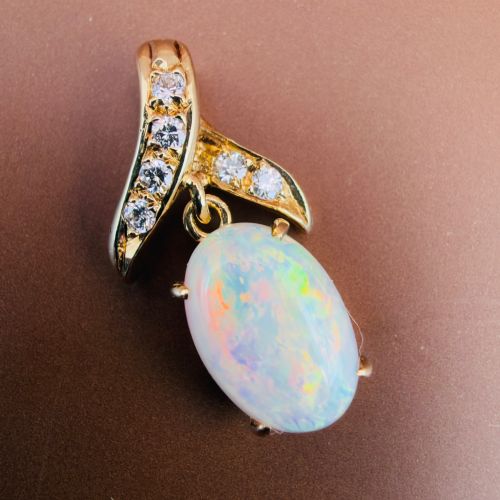
Softer stones like opals or pearls require greater care and should be kept away from harsh chemicals and ultrasonic cleaners.
How can I tell the period of a pendant?
Examine the metal type, stone cuts, and overall geometry of the cluster mounting. Edwardian and Victorian pieces often utilise old-cut diamonds and intricate silver-topped gold.
Mid-century and 1950s examples frequently feature brighter white gold, cleaner geometric lines, and round brilliant-cut accent stones.
Can these pendants convert into brooches?
Certain antique and vintage designs incorporate hidden folding bails or pin stems on the reverse. This dual functionality allowed Victorians and Edwardians to pin the cluster to clothing or hang it from a chain.
Inspect the back of the mounting carefully to see if a pin mechanism integrates into the framework.