




Vintage Cluster Bracelet
A vintage cluster bracelet brings together clustered gemstone heads and precious metals across styles from Victorian to nineteen-sixties fine jewellery.
Vintage Cluster Bracelet
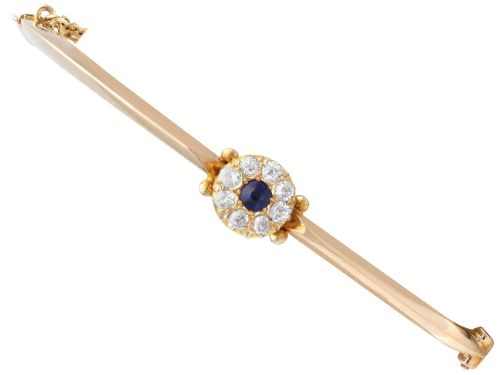
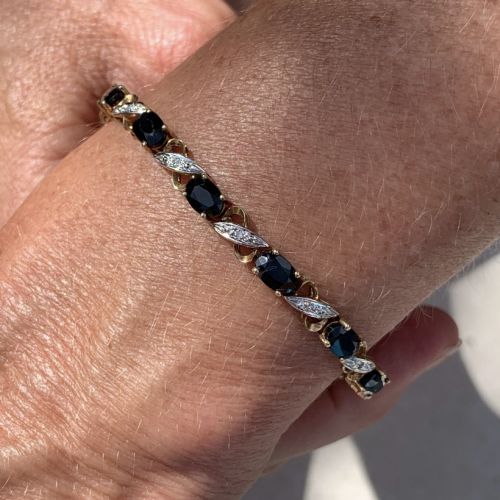
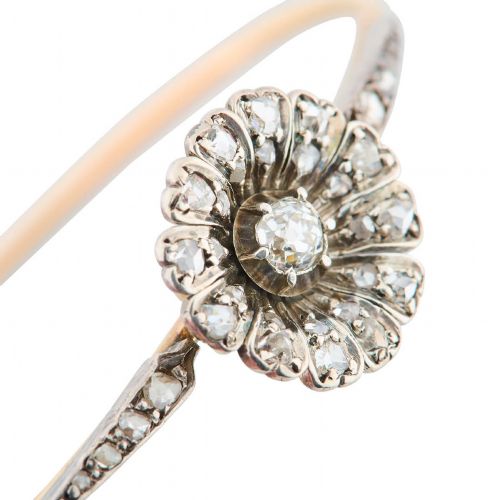
When you search for a vintage cluster bracelet, you encounter a range of forms spanning rigid bangles and flexible gemstone links. The pieces on this page include Victorian flower bangles, Edwardian diamond and pearl designs, and substantial sapphire and diamond creations from the nineteen-sixties.
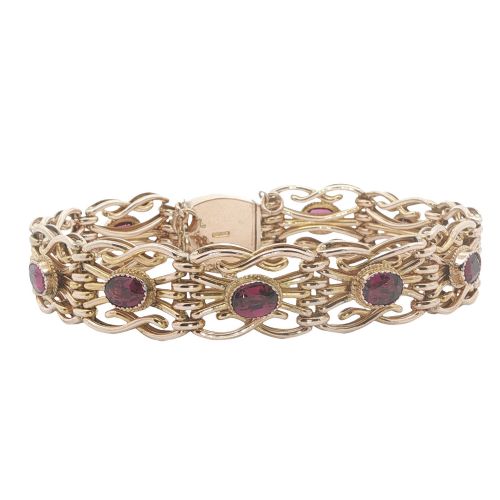
The cluster arrangement typically centres on precious stones like diamonds, sapphires, garnets, and emeralds set into gold, silver, or platinum. Bangles with gem-set heads and linked bracelets with cluster clasps appear alongside charm-laden split rings.
Earliest examples originate in the nineteenth century, including Victorian and Edwardian works, while later pieces extend into nineteen-sixties retro styles. Each variation employs distinct metal purities such as fifteen-carat yellow gold, nine-carat rose gold, and eighteen-carat white gold.
Materials and construction methods
Metals used in these pieces encompass silver, platinum, and various gold purities including nine-carat, fifteen-carat, and eighteen-carat gold. Goldsmiths shaped these metals into solid hinged bangles, double pearl strands, and articulated links designed to drape around the wrist.
Gemstone selection relies on diamonds, sapphires, almandine garnets, turquoise, emeralds, and natural saltwater pearls. Stones are secured in clustered configurations to maximise the visual impact of the central motif.
Vintage Cluster Bracelet Retail Price Guide 2026
Typical asking prices for vintage cluster bracelet among the pieces listed under this phrase on Sellingantiques today, from the lower quarter to the upper quarter. They describe what is for sale here now, not the wider market.
An antique split ring safely herds a tiny silver pig, a sprig of ivy, and a bugle around the wrist.
Quality factors in cluster jewellery
The calibre of stones and the weight of the precious metal dictate the standard of each piece. Substantial carat weights in diamonds and sapphires combined with higher gold purities distinguish the more elaborate works from lighter designs.
The precision of the cluster setting and the structural integrity of hinges, clasps, and split rings indicate the level of craftsmanship involved. Period-specific techniques, such as platinum integration in Edwardian pieces, further define the execution.
The Vintage Cluster Bracelet Glossary
- Cluster
- A setting arrangement where a central gemstone is surrounded by a tight formation of smaller stones. This layout is typical of the floral and geometric motifs seen in these bracelets.
- Bangle
- A rigid bracelet that slips over the hand or fastens with a hinged mechanism. Victorian and Edwardian examples often feature cluster heads positioned centrally on the solid hoop.
- Split ring
- A circular metal fastener formed from overlapping wire coils, functioning similarly to a modern key ring. These securely hold charms such as pigs, ivy, and bugles.
- Almandine garnet
- A deep red variety of garnet utilised in antique pieces. It provides a rich, dark hue particularly characteristic of Edwardian and late nineteenth-century jewellery.
Vintage Cluster Bracelet: Frequently Asked Questions
What periods do these bracelets come from?
The pieces span from the nineteenth century through the Victorian and Edwardian eras up to the nineteen-sixties. Each period brings distinct metal colours and gemstone combinations.
Victorian and Edwardian items often feature fifteen-carat yellow gold or silver-topped gold, while later examples incorporate eighteen-carat white gold and bolder nineteen-sixties proportions.
How do I wear a rigid bangle versus a flexible bracelet?
Rigid bangles sit firmly on the wrist and showcase the cluster head prominently on top. They often include a safety chain and a secure hinge.
Flexible bracelets and charm designs move with the wrist, distributing stones or charms across the entire length of the band or concentrating them at a cluster clasp.
What is the difference between a cluster bracelet and a charm bracelet?
A cluster bracelet focuses on a dense grouping of precious gemstones arranged to form a floral or geometric focal point. Charm bracelets instead suspend multiple small figures, such as animals or instruments, from a split ring or link chain.
Some pieces combine both concepts by featuring a cluster clasp on a pearl strand or decorative charms attached to a split ring.
How are gold purities distinguished in these pieces?
Older items frequently utilise historical gold purities such as fifteen-carat yellow gold or nine-carat rose gold. Later twentieth-century items commonly employ standard eighteen-carat white gold or nine-carat gold.
Colour variations in the metal, from rosy copper tones to bright white gold and yellow gold, correspond directly to these specific alloy standards.