
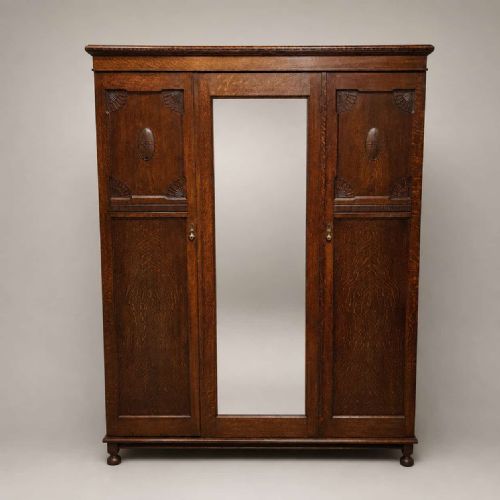
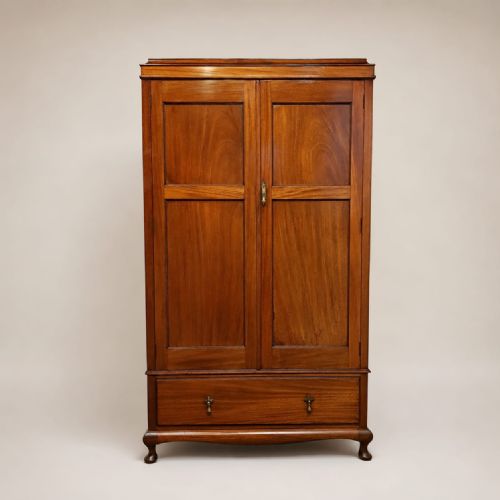
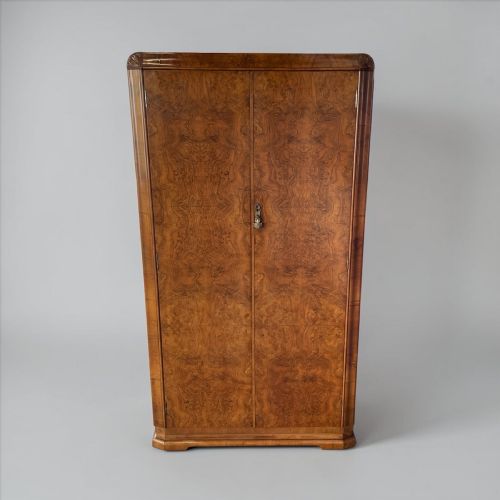
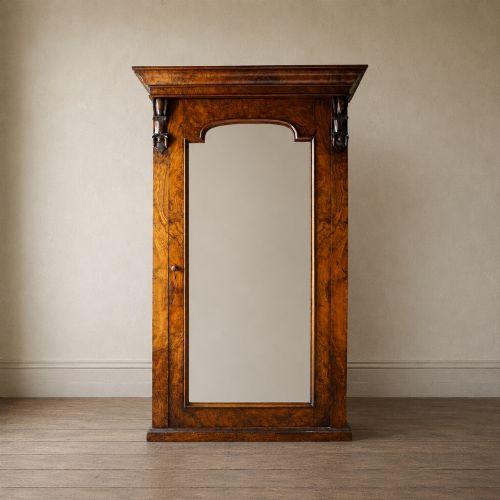
Vintage Clothing Cupboard
A vintage clothing cupboard provides sturdy hanging space and shelving, bringing character and practical storage to a bedroom.
Vintage Clothing Cupboard
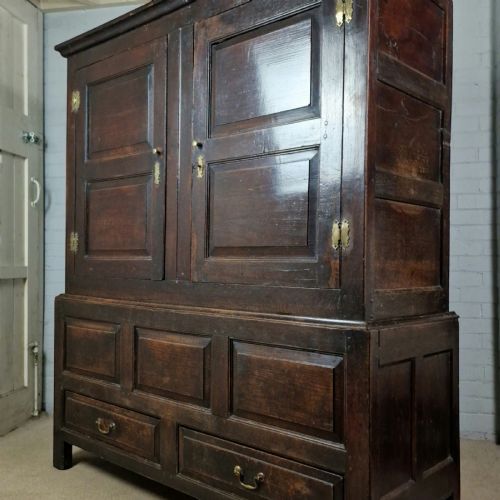
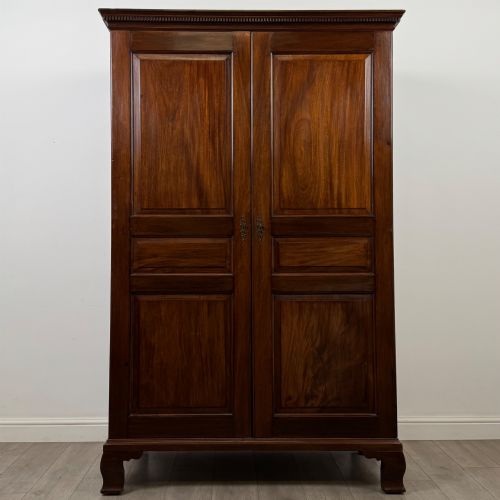
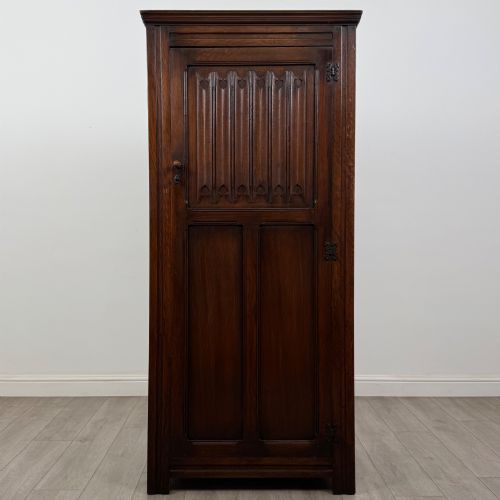
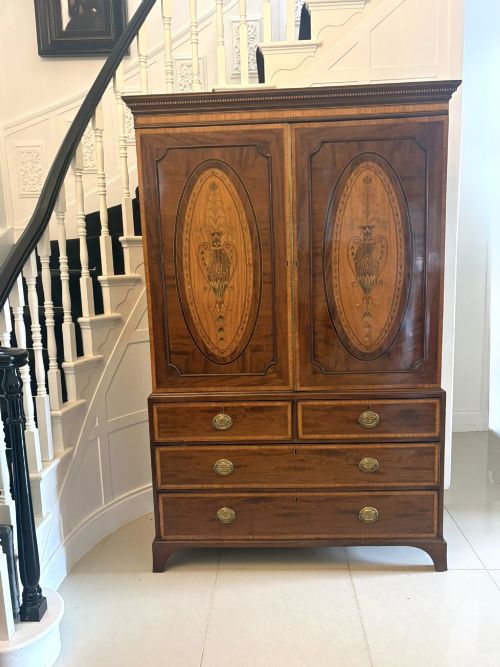
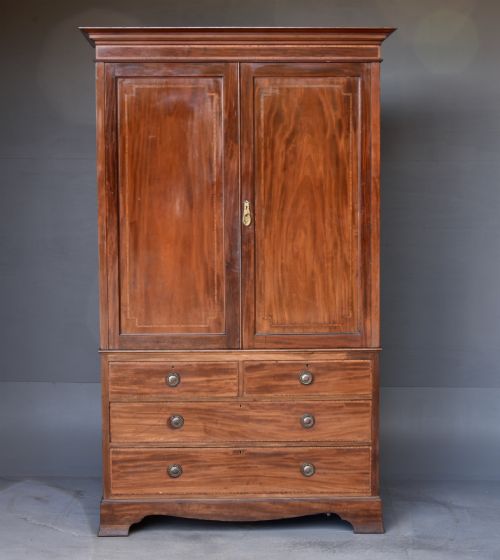
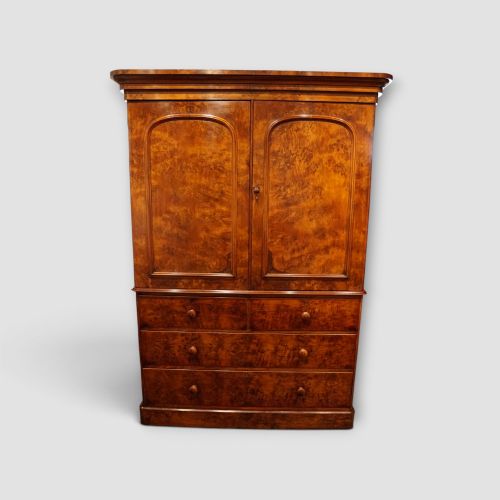
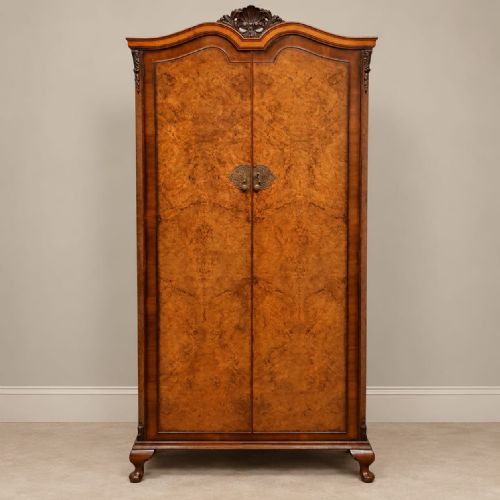
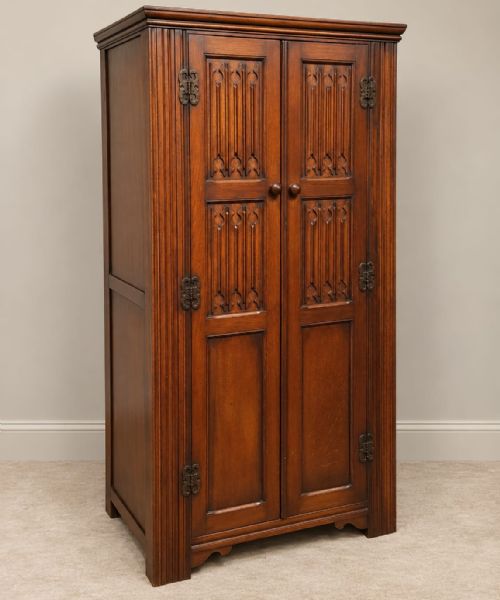
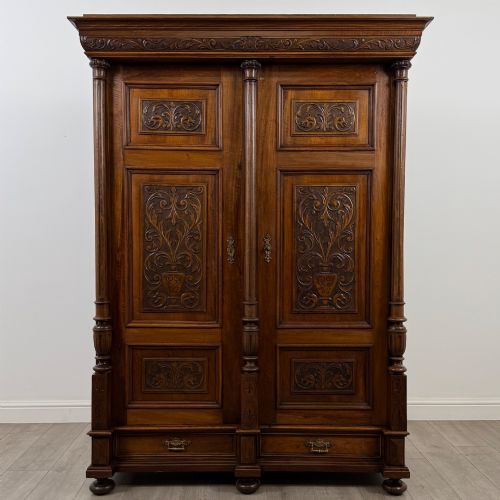
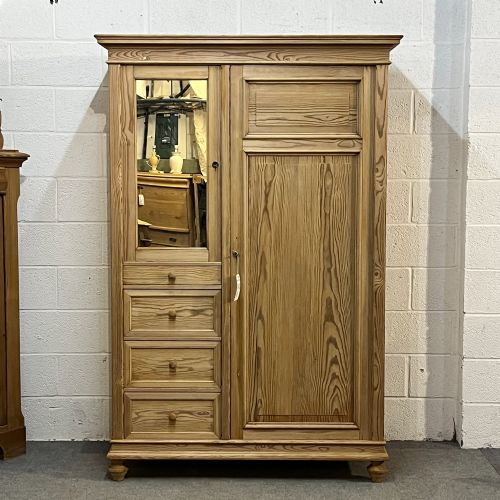
A vintage clothing cupboard encompasses traditional wardrobes, linen presses, compactums, and tallboys spanning the Georgian, Victorian, Edwardian, and 1930s periods. These large storage pieces served generations before fitted bedroom furniture became common.
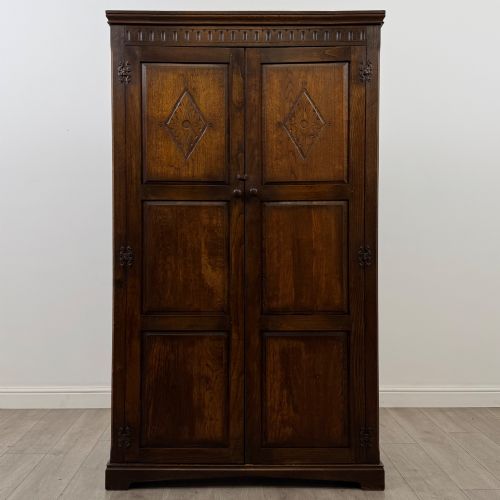
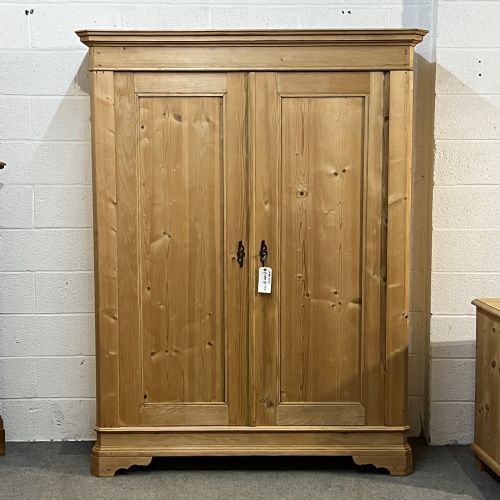
Edwardian and Victorian examples in mahogany, walnut, and oak appear frequently alongside pine country pieces and 1930s Art Deco designs. Buyers encounter everything from compact single wardrobes to grand triple armoires fitted with internal drawers and mirrored doors.
Materials and construction
Cabinet makers built these pieces using solid timbers like oak, pine, and mahogany, often applying decorative veneers of burr walnut, flame mahogany, or satinwood to the main surfaces. Brass hardware, iron fittings, and glass mirror panels complete the construction.
Traditional joinery techniques ensure structural stability in large frames, while specialised finishes include painted surfaces, scumble faux oak paintwork, and polished timber. Many large pine and mahogany examples were constructed as knockdown units to ease transportation.
Listings feature pieces spanning the Georgian, Victorian, Edwardian, and 1930s periods, constructed from mahogany, oak, walnut, pine, and satinwood.
Quality factors
The choice of timber and veneer defines the tier of a piece, with figured burr walnut and flame mahogany sitting above standard pine or oak. Finer cabinets feature elaborate inlay work, carved details, and blind fretwork cornices.
Internal configuration and original hardware distinguish superior examples, such as those fitted with multiple sliding trays, drawers, and original brass handles. The integrity of the original polish or painted surface significantly affects the standing of the piece.
maples & co·Harris Lebus
The Vintage Clothing Cupboard Glossary
- Linen press
- A tall storage cabinet featuring upper sliding trays or shelves enclosed by doors, positioned above a chest of base drawers. These pieces originally stored household linens before evolving into general clothing storage.
- Compactum
- A multi-functional wardrobe combining hanging space, shelving, and internal drawers within a single footprint. This efficient design maximises storage capacity in smaller bedrooms.
- Armoire
- A large freestanding wardrobe or cupboard originating in continental Europe. These pieces often feature double doors and generous internal depths.
- Tallboy
- A tall storage cabinet comprising a chest of drawers elevated on a base or topped with a smaller cupboard section. They provide substantial vertical storage for garments.
- Scumble paintwork
- A decorative painting technique used to simulate the grain of more expensive timbers like oak. Artisans manipulated tinted glaze over a base coat to create figured wood patterns.
Vintage Clothing Cupboard: Frequently Asked Questions
How do I fit a vintage wardrobe into a modern bedroom?
Many larger wardrobes, particularly Victorian pine and mahogany examples, were built as knockdown units that dismantle into manageable sections for transport and assembly. Checking the internal depth and hanging rail height ensures your garments fit comfortably inside.
Measuring ceiling clearance and doorway widths before purchase prevents installation difficulties with tall triple wardrobes or linen presses.
What is the difference between a linen press and a wardrobe?
A linen press traditionally incorporates sliding shelves or trays in the upper section for folded textiles, paired with chest drawers below. A wardrobe is primarily designed with vertical hanging space for garments.
Many antique pieces labeled as housekeepers wardrobes or linen presses combine both systems to offer versatile bedroom storage.
How do I care for polished wood surfaces?
Maintaining timber surfaces requires dusting with a soft, dry cloth and applying traditional beeswax periodically to nourish the grain. Avoiding direct sunlight and high heat prevents the wood and decorative veneers from drying out or cracking over time.
Keeping humidity stable in the room protects antique door hinges and structural joints.
Can I paint a bare pine wardrobe?
Unfinished or stripped pine pieces are often prepared to accept paint, wax, or traditional finishes depending on personal preference. Preparing the timber properly ensures the chosen finish adheres evenly across the panels.
Original painted surfaces or scumble work should be preserved rather than stripped to maintain the historic character of the piece.