





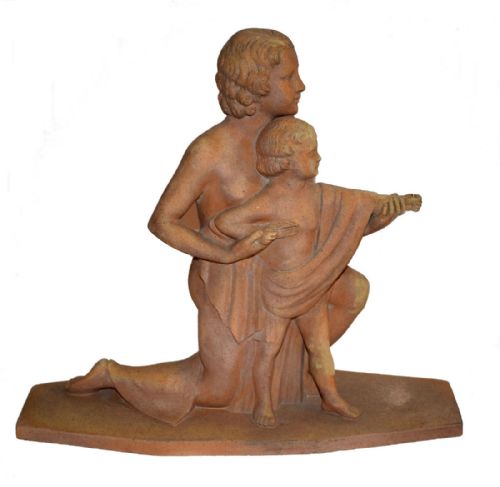


Vintage Clay Sculpture
These vintage clay sculpture pieces range from terracotta figures to architectural finials, offering tactile warmth and historic character for your interior.
Vintage Clay Sculpture
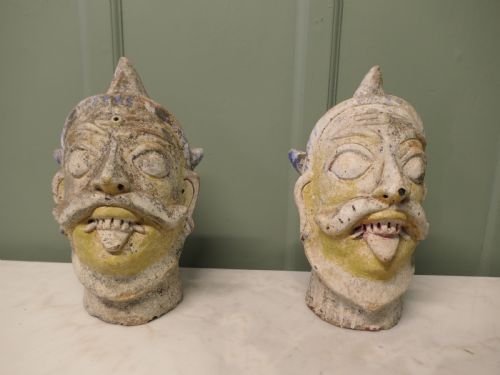
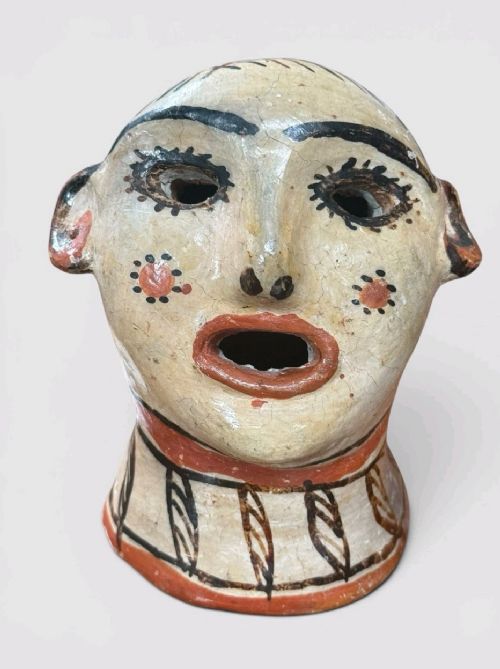
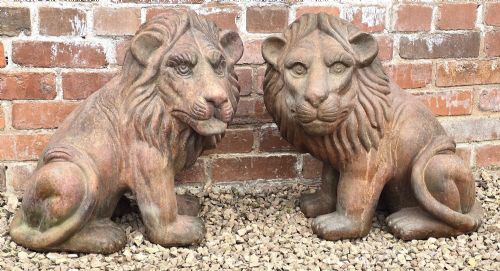
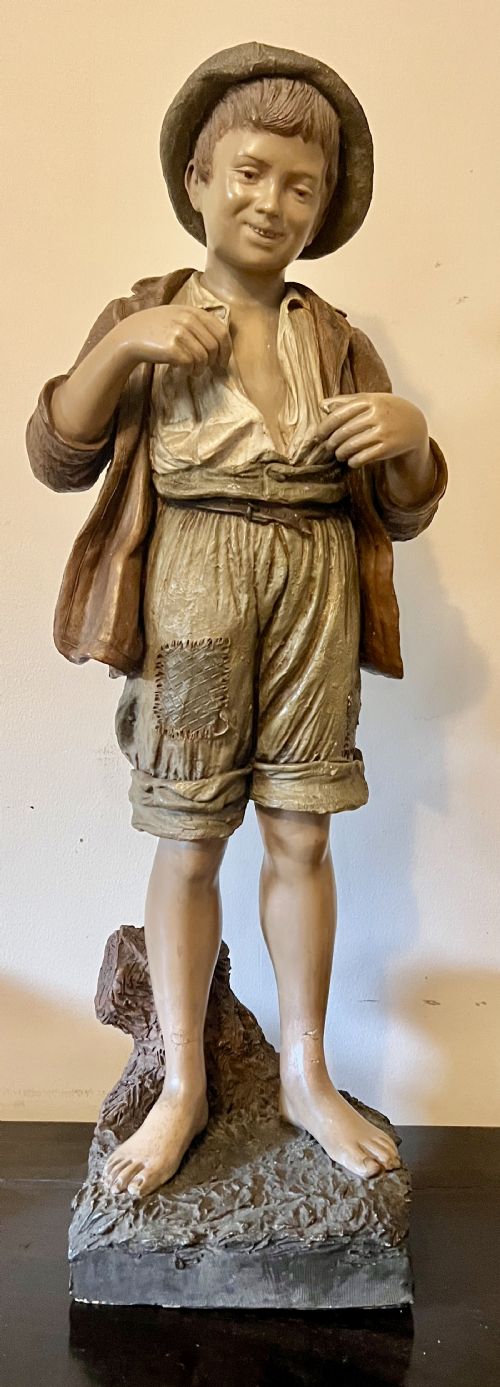
When you search for vintage clay sculpture, you encounter a diverse array of terracotta figures, architectural elements, and busts spanning the eighteenth century to the mid twentieth century. These works originate from European workshops, Indian folk traditions, and Peruvian tribal art, capturing human forms, animals, and classical motifs in fired earth.
The selection frequently includes large Italian garden lions, French art nouveau female busts, and Indian tent pole tops. Each piece demonstrates the enduring appeal of moulded and hand-modelled clay across various global traditions and domestic interior styles.
How they were made
Makers shaped these sculptures from terracotta, earthenware, and clay, often applying slip pigment, paint, or patinated finishes to the porous surface. Some works incorporate bronzed treatments to emulate metal, while others rely on the natural warmth of fired red clay.
Artisans employed hand-sculpting techniques or used moulds to achieve intricate details in pieces like architectural finials, bookends, and statuary. The firing process hardened the material, creating durable objects suited for both interior display and garden placement.
Vintage Clay Sculpture Retail Price Guide 2026
Typical asking prices for vintage clay sculpture among the pieces listed under this phrase on Sellingantiques today, from the lower quarter to the upper quarter. They describe what is for sale here now, not the wider market.
Several terracotta cockerels stand ready to crow across the centuries, proving that watchful poultry belonged indoors long before modern farmhouses.
What varies in quality
The distinction between ordinary and exceptional pieces lies in the crispness of the modelling and the finesse of the surface finish. Sculptures that retain finely articulated facial expressions and well-preserved painted or patinated surfaces demonstrate superior artistic execution.
Larger architectural works and signed studio pieces often exhibit greater sculptural ambition, whereas simpler folk art items value direct expression over anatomical precision. The integrity of the fired clay and the subtlety of any applied pigment ultimately determine the visual impact of the work.
Compton Potters Art Guild·Georges Morin·B Rezl
The Vintage Clay Sculpture Glossary
- Terracotta
- A porous, fired clay ranging in colour from pale buff to deep reddish-brown. It serves as the primary medium for the sculptures and architectural elements in this collection.
- Slip pigment
- A liquid clay mixture applied to the surface of pottery or sculpture before firing to impart colour or decorate the body. It provides a matte finish distinct from glossy glazes.
- Architectural finial
- An ornamental architectural element placed at the apex of a gable, roof, or tent pole. These clay pieces combine structural function with decorative sculptural form.
- Bisque
- Unglazed ceramic ware that has been fired once, offering a porous and matte texture. This finish highlights the pure form of the modelled clay without glossy reflections.
Vintage Clay Sculpture: Frequently Asked Questions
How do I clean a terracotta sculpture?
Dust the unglazed clay surface gently with a soft, dry brush to prevent dirt accumulation in the recessed details of the modelling.
Avoid using water or liquid cleaners on porous earthenware, as moisture can penetrate the unsealed clay and disturb ancient pigments or patinas.
Can these sculptures stay outdoors?
Certain pieces like garden lions and architectural finials are designed to withstand exterior environments if protected from freezing winter conditions.
Interior busts and delicate folk art pieces require shelter from moisture and temperature extremes to preserve their fragile clay bodies.
How do I identify art deco pieces?
Art deco sculptures feature stylised geometric lines, simplified anatomical forms, and sleek profiles typical of the interwar period.
Signatures from makers active during the nineteen twenties and thirties further confirm the modernist aesthetic of these ceramic figures.
Are these figures solid clay?
Many larger sculptures and busts are hollow-built to ensure even firing and reduce weight, while smaller figures and bookends may be denser.
Examining the underside or base often reveals the wall thickness and construction method used by the potter.