



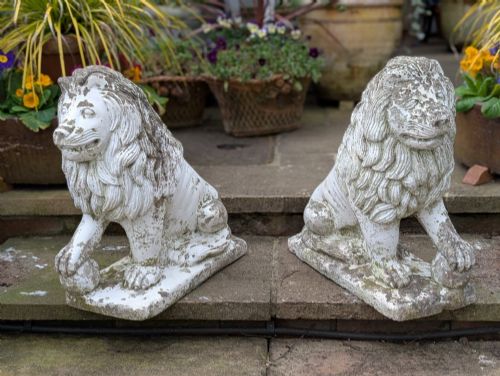
Vintage Classical Sculpture
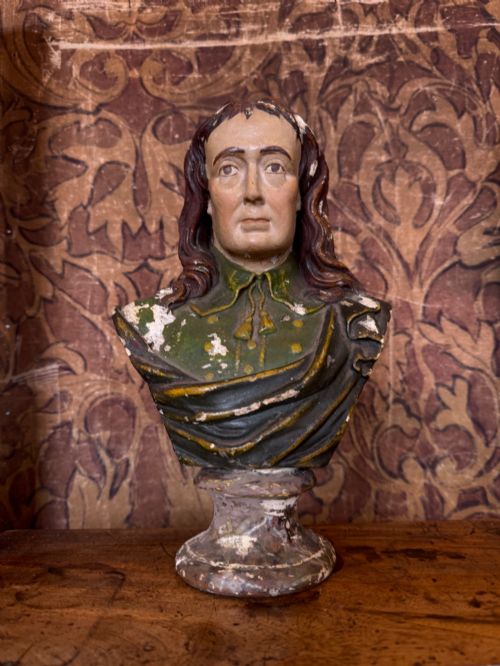
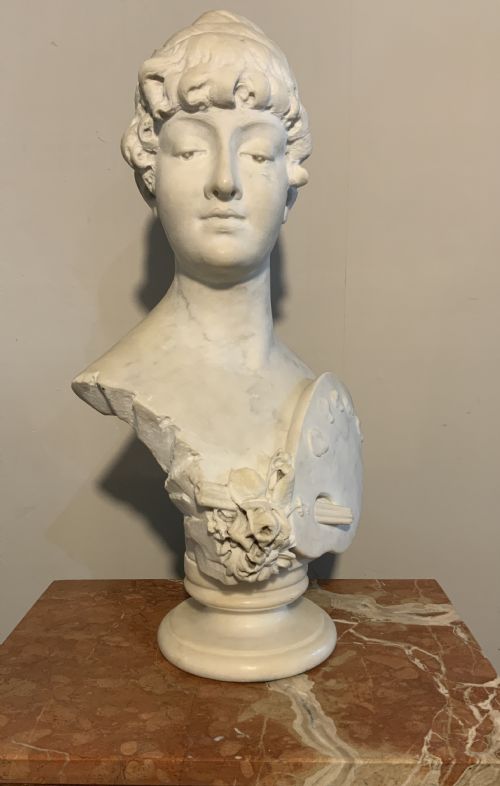
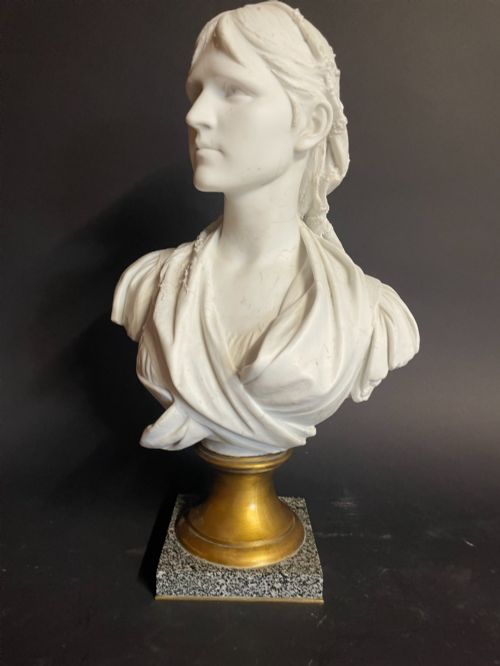
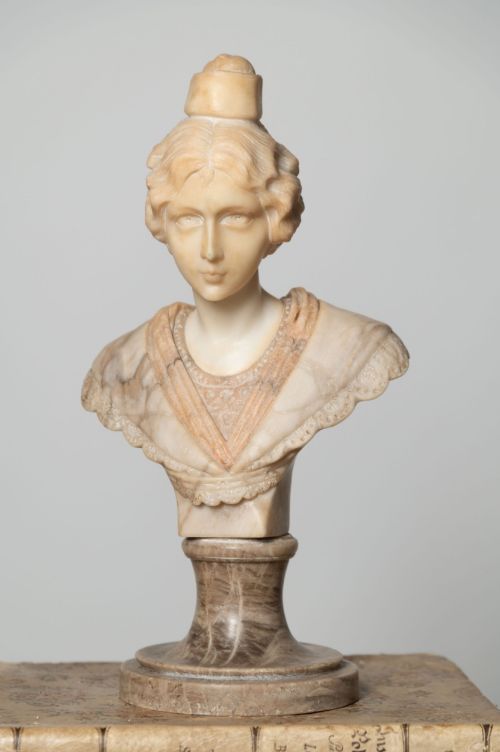
Vintage classical sculpture brings mythological figures, imperial busts and allegorical forms into interior and garden settings with enduring material weight.
Vintage Classical Sculpture
Vintage classical sculpture encompasses figural works, busts, and architectural ornaments drawing directly on ancient Greek and Roman motifs. These objects emerge from periods ranging through the nineteenth century, the Edwardian era, and into the 1930s, reflecting revivals of interest in classical antiquity.
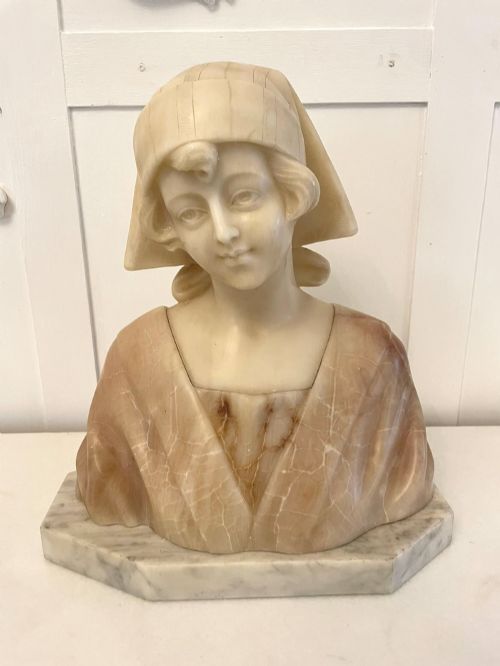
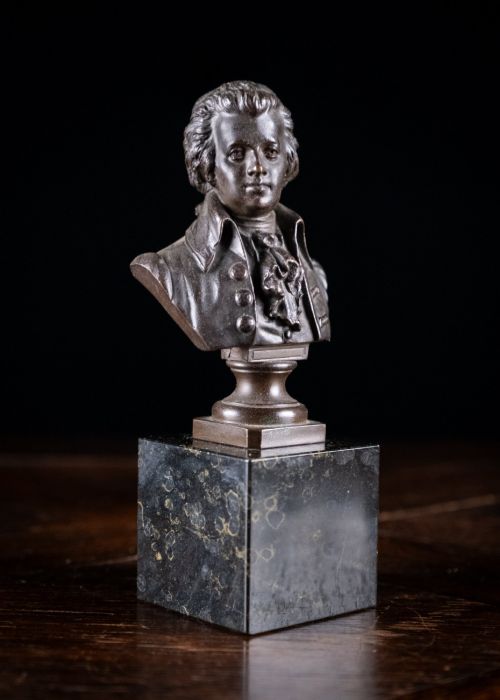
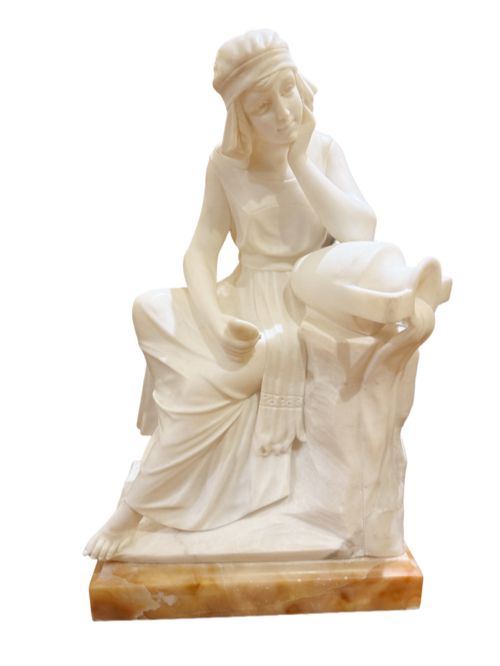
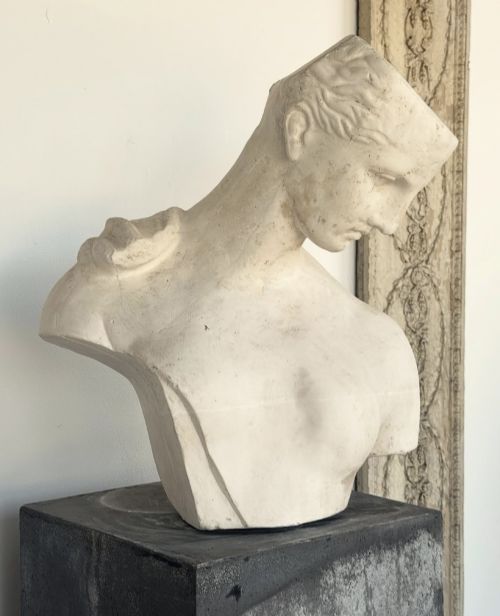
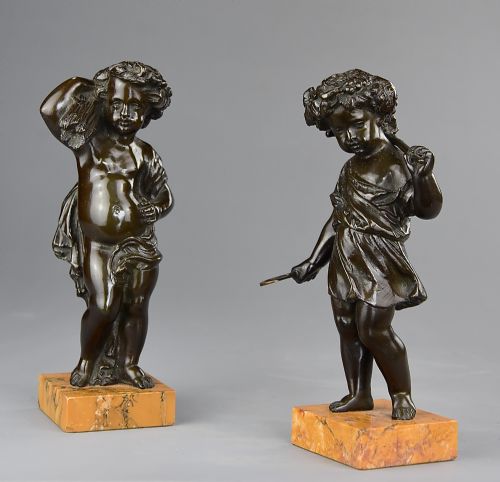
The most prevalent versions encountered here include bronze reductions from the Grand Tour, carved marble portraits of historical or mythological subjects, and moulded plaster or stone figures designed for both indoor display and garden placement. These pieces manifest in diverse forms such as single busts, matched pairs of putti, and full life-sized allegorical representations.
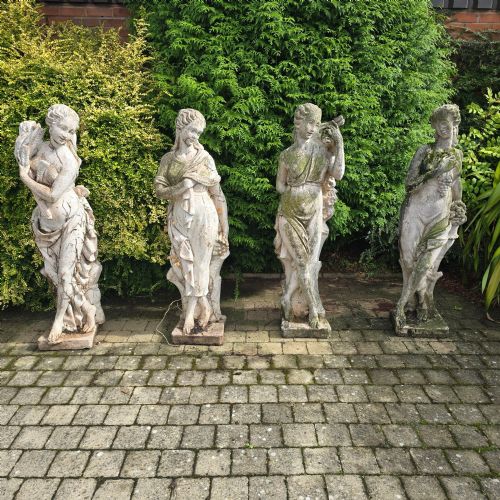
Makers and foundries of these periods adapted traditional themes into domestic bronzes, theatrical props, and substantial garden statuary. Buyers encounter everything from small library busts of Dante to large exterior statues representing the seasons.
Materials and production methods
Sculptors and foundries utilised traditional materials including Carrara and Siena marble, cast and cold painted bronze, terracotta, and carved alabaster. Plaster and cast stone provided accessible mediums for detailed portrait busts and architectural reliefs.
Bronzes were cast using techniques that allowed for fine chased details, sometimes paired with marble or fossil marble bases. Stone and marble figures relied on hand carving or professional pointing machines to translate classical proportions into solid material.
Several cherubs and putti appear ready to harvest grapes or sleep through the afternoon.
Distinctions in quality
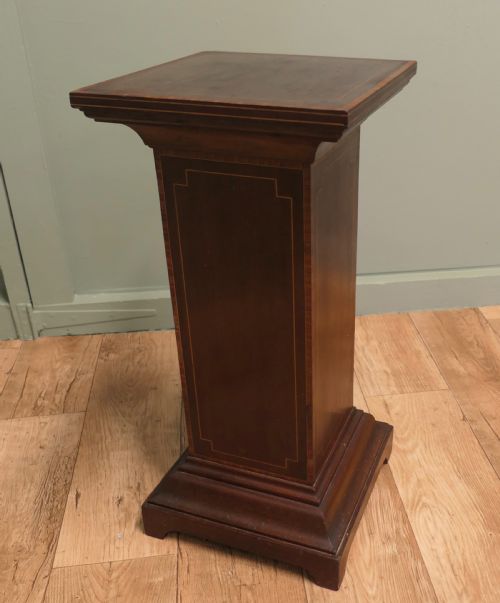
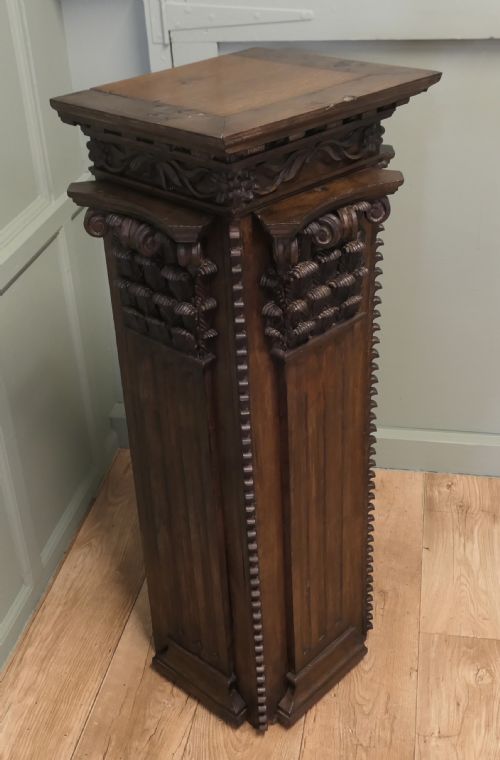
The integrity of the material also defines the tier of the piece, such as solid carved marble versus moulded plaster, and the quality of associated bases or pedestals. Foundries with established reputations and signed works by recognised sculptors elevate the standing of individual bronzes.
Pierre le Faguays·Claude Michael Clodion·Hamo Thornycroft·Aurore Onu Cymbal Dance·A.Gamay·C J R Colinet·Raffaelo Monti·James Hadley·Georges-Charles Coudray
The Vintage Classical Sculpture Glossary
- Grand Tour
- A nineteenth-century tradition where travellers collected small-scale bronzes and marble architectural models in Italy. These souvenirs brought classical antiquity back to British and European homes.
- Putto
- A representation of a plump, naked child, often winged, derived from classical art. They appear frequently in pairs symbolising harvest seasons or allegorical themes.
- Cold painted bronze
- A technique where bronze figures are painted with natural colours using ordinary paint rather than heat-set enamels. This finish requires careful preservation over time.
- Patination
- The surface coloration and sheen developed on bronze and metal sculptures through age and chemical treatment. It adds depth and character to the metallic surface.
- Statuary marble
- A pure, fine-grained white marble utilised historically for classical figures and bust portraits. It allows for subtle translucency and sharp sculptural detail.
Vintage Classical Sculpture: Frequently Asked Questions
How do I care for marble sculptures?
Dust marble pieces regularly with a soft, dry cloth to prevent dirt accumulation. Avoid harsh chemical cleaners or abrasive materials that can etch the polished surface.
Keep indoor marble away from direct heat sources to prevent thermal shock and minor surface cracking. Natural oils from hands can stain porous stone, so handling should be kept to a minimum.
Where should I place garden statues?
Position stone and cast stone figures on stable, level footings such as paved terraces or dedicated stone plinths. This prevents settlement and frost damage caused by rising moisture from unpaved ground.
Select sheltered outdoor spots where severe winter freezing is mitigated to preserve the fine details of the stone. Reconstituted and cast stone will weather naturally over time when exposed to the elements.
What defines a Grand Tour bronze?
Grand Tour bronzes are small-scale souvenir reductions of famous classical statues, monuments, and architectural ruins produced in Italy during the nineteenth century. Travellers purchased them as educational mementoes of their continental journeys.
These pieces are typically mounted on distinctive marble or slate bases and demonstrate high levels of reduction accuracy. They capture the taste for classical antiquity prevalent among collectors of the period.