

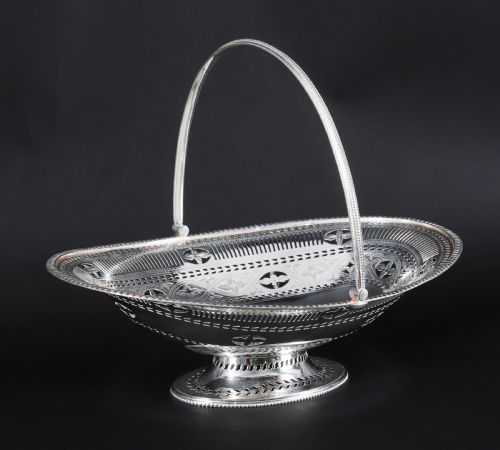


Vintage Classical Engraving
These vintage classical engraving pieces bring together architectural prints, portraits and mythological scenes spanning the seventeenth to the twentieth centuries.
Vintage Classical Engraving
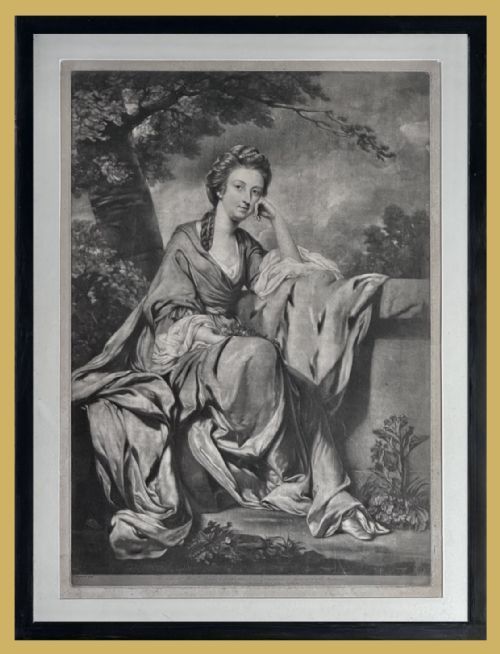
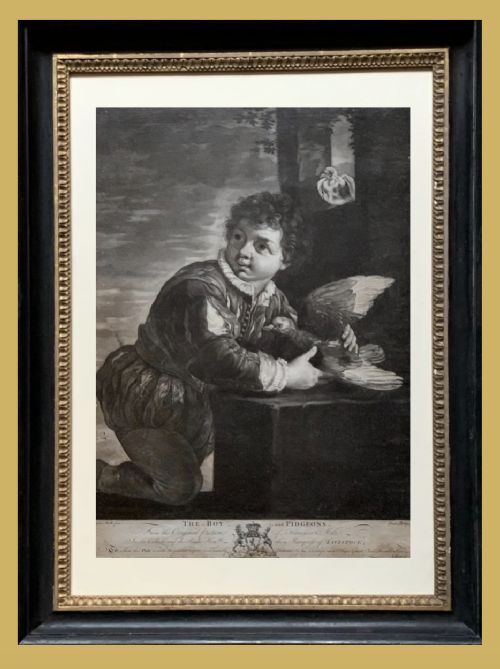
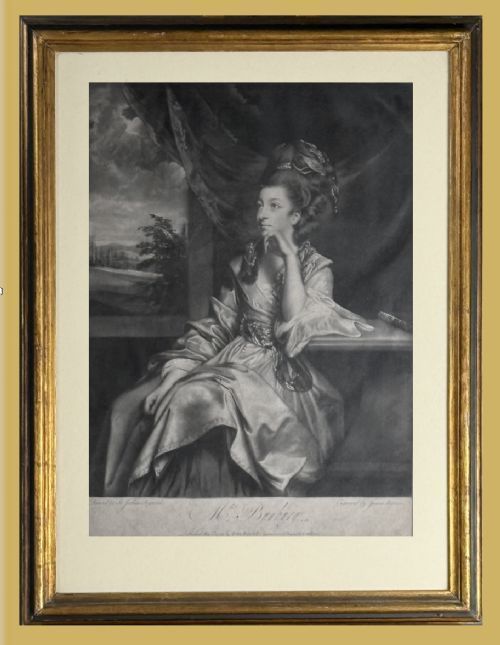
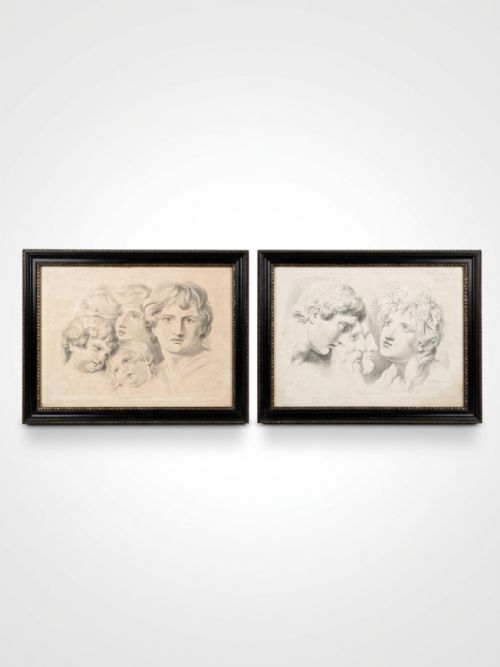
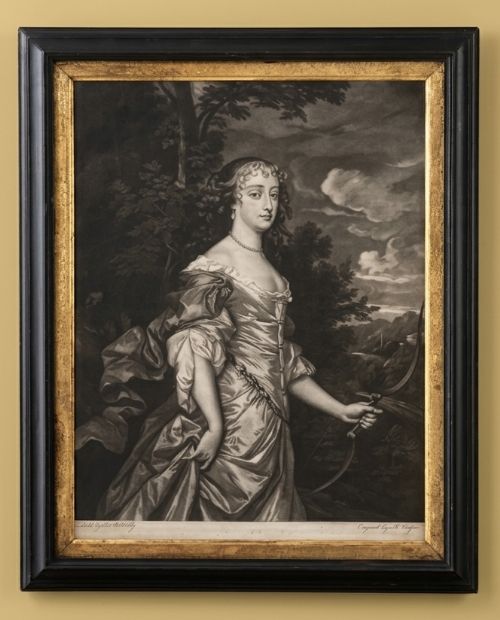
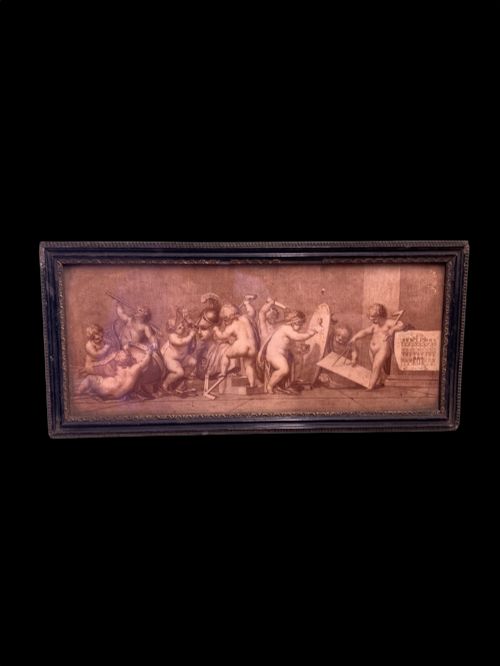
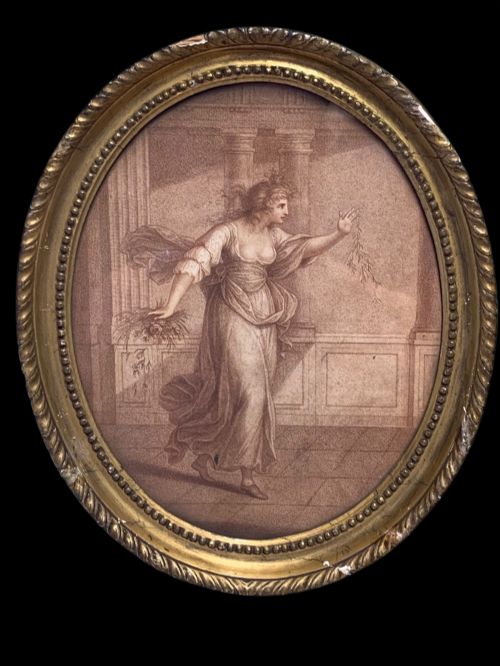
When you search for vintage classical engraving, you encounter works on paper encompassing architectural plates, portrait mezzotints, and mythological subjects. The selection draws heavily from eighteenth-century productions and nineteenth-century interpretations of earlier classical motifs.
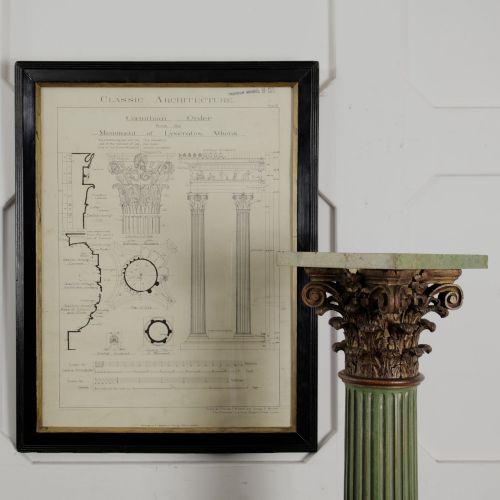
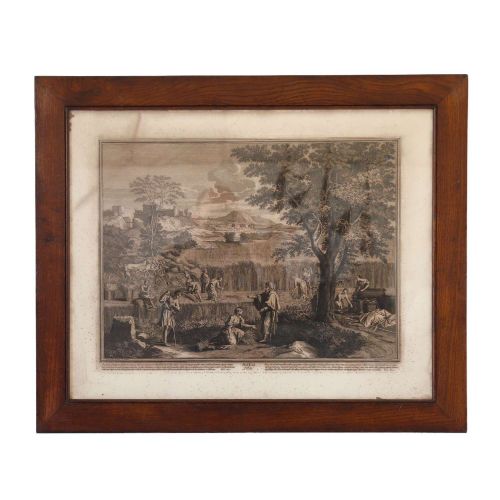
Framed prints and wall art dominate the selection, often presenting architectural orders, ancient temples, and grand tour subjects. These paper items frequently appear alongside related decorative objects like engraved glass and silver plate carrying classical ornamentation.
The periods represented stretch from the seventeenth century through to the Edwardian era and the nineteen-twenties. Neoclassical and Georgian styles recur frequently, anchoring the visual language of the works in historical revivalism.
Materials and Technique
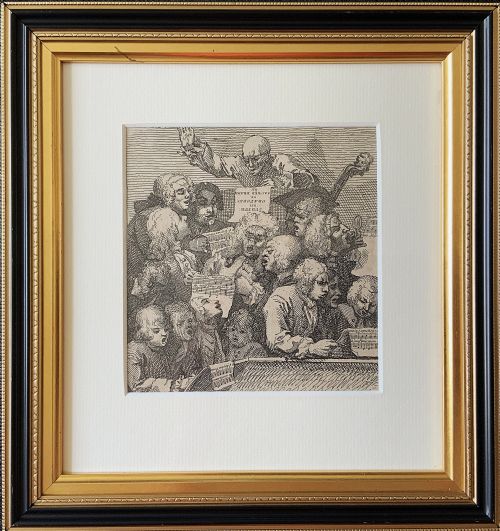
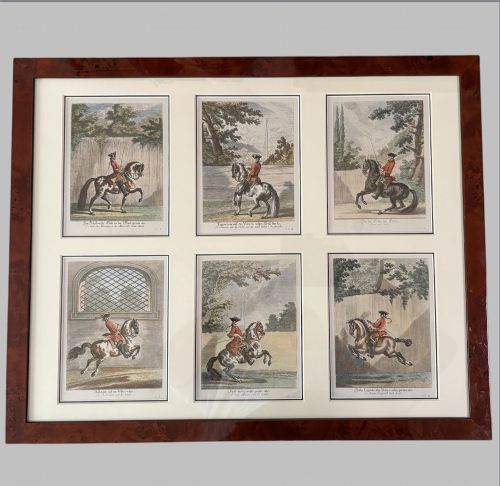
The works utilise traditional printmaking techniques on paper, including copper plate engraving, stipple engraving, etching, and mezzotint. Printers applied ink manually to plates, sometimes adding hand-colouring to enhance architectural details and figural scenes.
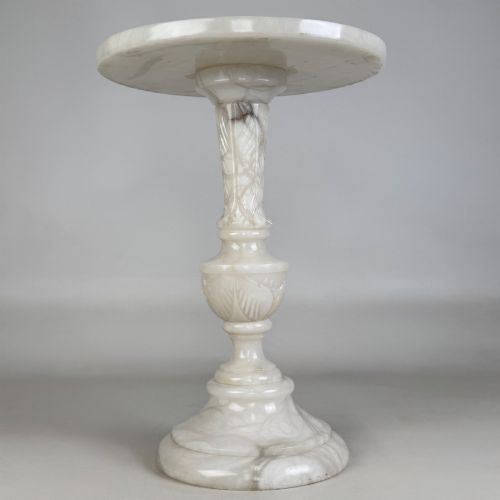
Frames play a structural role in preserving these paper works, utilising materials such as wood, giltwood, and gold leaf. Associated decorative forms incorporate glass, silver plate, and carved stone or marble.
Vintage Classical Engraving Retail Price Guide 2026
Typical asking prices for vintage classical engraving among the pieces listed under this phrase on Sellingantiques today, from the lower quarter to the upper quarter. They describe what is for sale here now, not the wider market.
Listings span periods from the seventeenth to the twentieth century, with materials including paper, glass, wood, and silver plate.
Factors of Quality
Quality rests upon the crispness of the ink impression and the skill of the original engraver working after major painters or architects. Early print runs produce sharper lines and finer tonal gradations in portraits and architectural elevations than later impressions.
The condition of the paper and the integrity of the period frames contribute substantially to the standing of each piece. Well-preserved margins on sheets and original framing materials elevate the historical character of the artwork.
Thomas Watson·John Boydell·Edward Fisher·James Watson·Francesco Piranesi·James Basire·Giovanni Ottaviani·Alessandro Mocchetti·Walker & Hall·Harrison Brothers & Howson
The Vintage Classical Engraving Glossary
- Mezzotint
- A printmaking process where the copper plate is roughened to achieve rich dark tones and subtle graduations of light. This tonal method was frequently employed for eighteenth-century portraits.
- Stipple engraving
- A technique using dots rather than continuous lines to form the image, producing soft skin tones and gentle contours. It gained popularity for reproductive prints during the Georgian period.
- Etching
- A method where lines are bitten into a metal plate with acid before ink is applied for printing. Artists used this versatile process for both detailed architectural plates and expressive figural compositions.
- Neoclassical
- A style reviving the art and architecture of classical antiquity, characterised by symmetry, restrained ornamentation, and Greek or Roman motifs. This aesthetic defines the majority of the architectural prints and decorative objects.
- Giltwood
- Wood carved and covered with a thin layer of gold leaf, commonly utilised for period frames. It provides a reflective border that complements the monochrome tones of works on paper.
Vintage Classical Engraving: Frequently Asked Questions
What subjects do these engravings show?
The works depict architectural structures, ancient antiquities, mythological figures, and historical portraits. Many plates record classical buildings, statues, and archaeological discoveries from Greece and Rome.
Subjects also include theatrical actors, equestrian scenes, and allegorical representations of the months and seasons. These themes reflect a sustained historical interest in classical antiquity across multiple centuries.
How should I frame and display these prints?
Paper engravings require careful framing behind protective glazing to shield them from environmental moisture and direct sunlight. Utilising acid-free mounts prevents discolouration and preserves the paper substrate over time.
Display them on interior walls away from direct heat sources and strong daylight. Matching the period of the frame to the era of the print maintains a cohesive historical presentation.
How can I tell an eighteenth-century print from a later copy?
Examine the paper quality, plate marks, and ink characteristics under magnification to assess the printing method. Eighteenth-century impressions typically display genuine plate impressions into dampened paper stock and subtle variations in ink density.
Twentieth-century reproductions often exhibit flat dot patterns from modern mechanical printing or uniform digital surfaces. Comparing the paper texture and watermark evidence helps confirm the historical period.
What is the difference between an etching and an engraving?
An engraving uses a sharp metal tool called a burin to cut lines directly into a copper plate. This technique produces precise, clean-edged lines with distinct swelling and tapering points.
An etching relies on acid to bite the drawn lines into the metal plate through a protective ground. This chemical process allows for freer, more fluid lines with softer edges compared to direct cutting.