





Vintage Church Lamps
These vintage church lamps bring heavy ecclesiastical weight and refined sanctuary illumination into domestic rooms.
Vintage Church Lamps
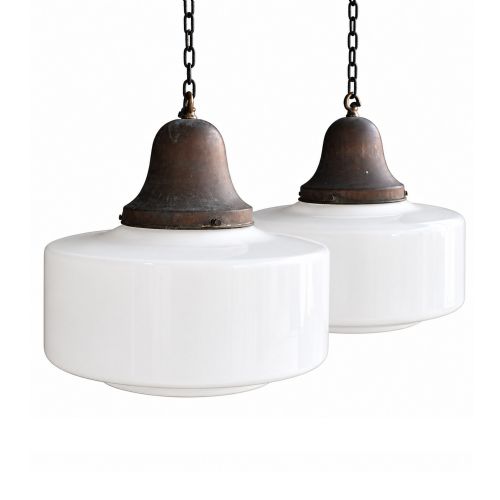
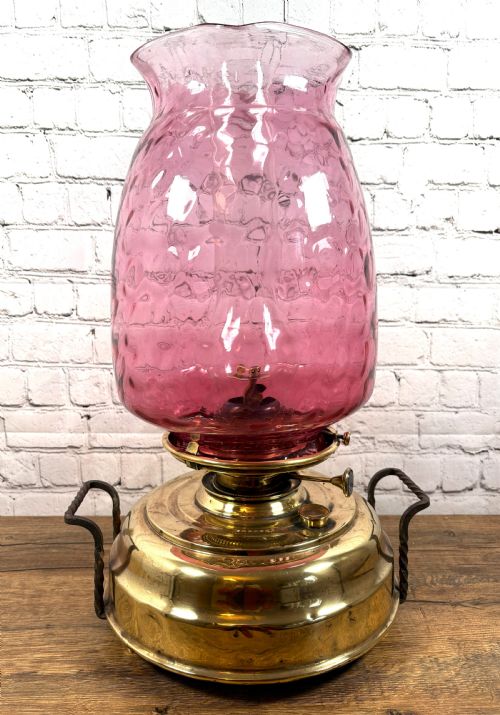
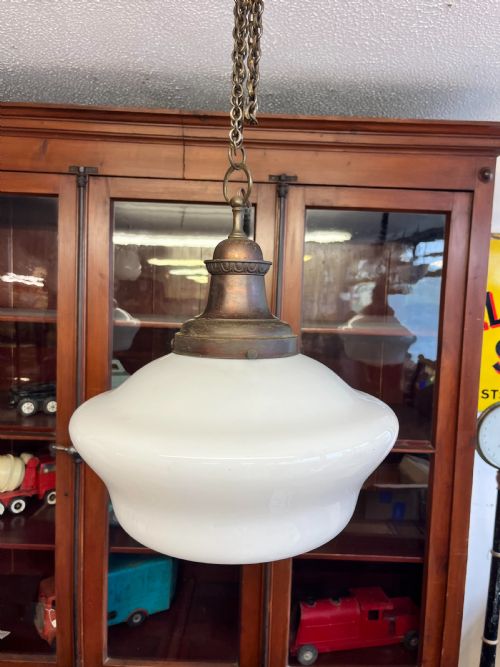
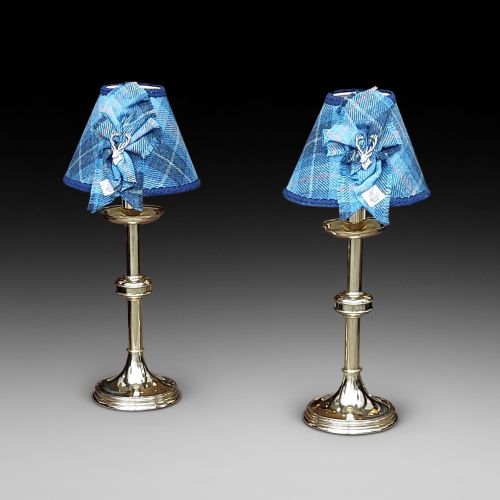
When searching for vintage church lamps, buyers encounter heavy sanctuary lighting repurposed from ecclesiastical settings into functional domestic pieces. These include table lamps, chandeliers, pendant lights, oil lamps, ceiling lights, candlesticks, and candelabras originating from the nineteenth century up to 1920.
The versions most commonly met on this page span the nineteenth century and the 1920 period, featuring styles such as Gothic Revival, French Ecclesiastical, Art Deco, and Arts & Crafts. Makers and adaptors utilised diverse forms ranging from large matched pairs to pricket stick lamp bases and multi-branch chandeliers.
How they were made
These lamps were constructed primarily from metals such as brass, gilded brass, iron, copper, and silver plate, frequently combined with glass and opaline glass elements. Workshops employed heavy casting and plating techniques to produce durable altar furnishings intended to withstand decades of ecclesiastical use.
Makers integrated structural elements like pricket sticks, multi-branch chandelier frames, and pulpit heaters with electrical or oil-burning components. The resulting items combine structural iron and brass foundations with decorative gilt finishes and translucent glass shades.
Vintage Church Lamps Retail Price Guide 2026
Typical asking prices for vintage church lamps among the pieces listed under this phrase on Sellingantiques today, from the lower quarter to the upper quarter. They describe what is for sale here now, not the wider market.
One listed pulpit oil lamp doubles as a heater, proving that nineteenth-century clergy appreciated warm hands during lengthy winter sermons.
What varies in quality
Quality in these ecclesiastical pieces rests upon the crispness of the original cast metal ornamentation and the integrity of the gilding or silver plating. Pieces displaying deep Gothic Revival detailing or substantial proportions, such as large matched pairs and multi-branch chandeliers, demonstrate superior workshop output.
The refinement of the secondary materials, particularly the thickness of opaline glass shades and the weight of the underlying brass or bronze frames, separates standard utility items from exceptional chapel lights.
The Vintage Church Lamps Glossary
- Pricket stick
- A candlestick featuring a central spike upon which a candle is impaled, frequently converted into a lamp base. These items derive directly from traditional altar equipment.
- Opal glass
- A milky, translucent white glass used for shades and diffusers to soften harsh light. This material appears frequently in chapel and ecclesiastical lighting fixtures.
- Gothic Revival
- An architectural and decorative style drawing inspiration from medieval forms, characterised by pointed arches and heavy ornamentation. This aesthetic dominates nineteenth-century church metalwork.
- Ecclesiastical
- Relating to the Christian Church or its clergy, describing objects designed specifically for use in places of worship. These items retain distinct religious motifs and robust construction.
Vintage Church Lamps: Frequently Asked Questions
How were church lamps used?
Ecclesiastical lighting served to illuminate altars, chancels, and pulpits during services, providing both practical illumination and symbolic presence.
Many surviving examples have subsequently been adapted with electrical fittings for domestic interior use.
How do I date these lamps?
Dating relies upon identifying stylistic markers such as nineteenth-century Gothic Revival motifs or 1920 Art Deco proportions.
Material composition, including silver plate, gilded brass, and opaline glass, also provides clear chronological indicators.
How should I live with them?
These substantial pieces anchor high-ceilinged rooms and hallways, serving as strong focal points due to their scale and ecclesiastical detailing.
Their heavy brass, iron, and glass construction pairs effectively with both period and contemporary interiors.