



Vintage Chronograph Timepiece
A vintage chronograph timepiece brings mechanical stop-watch precision to your wrist or pocket, merging utility with decades of horological design.
Vintage Chronograph Timepiece
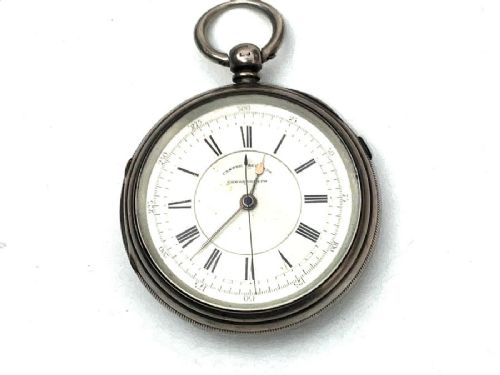
A vintage chronograph timepiece encompasses both wristwatches and pocket watches designed to measure elapsed time alongside standard hours and minutes. When you search for this phrase, you encounter mechanical instruments spanning from the late Victorian era through the mid-twentieth century.
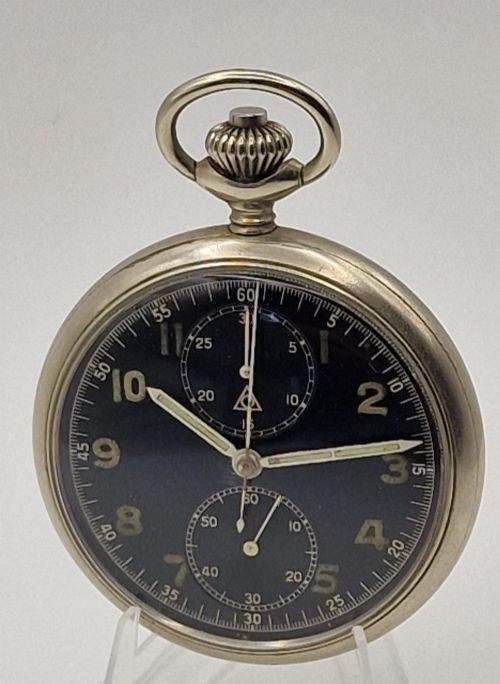
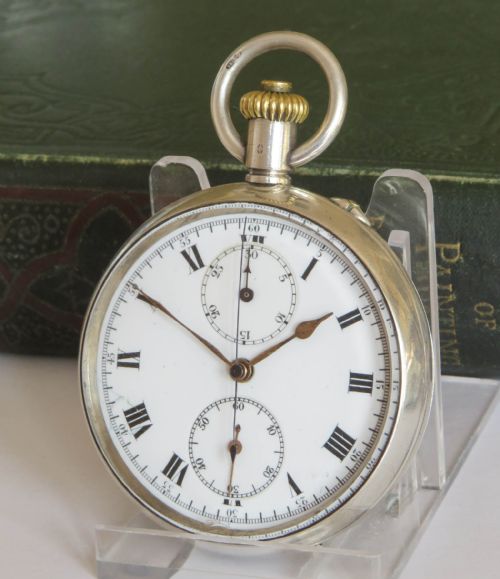
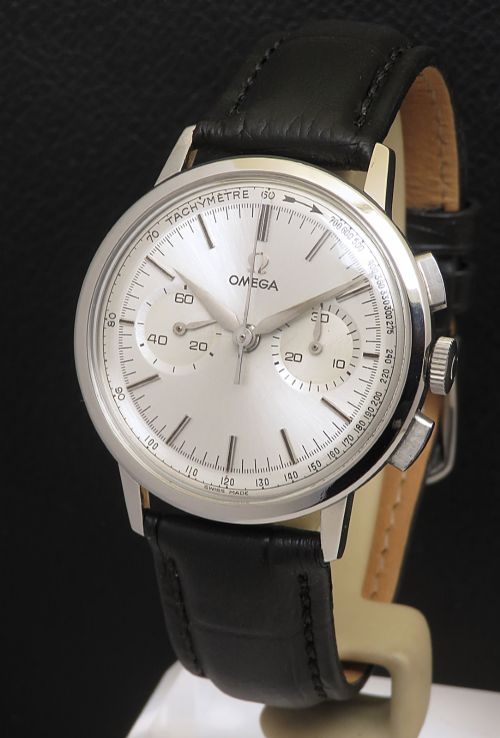
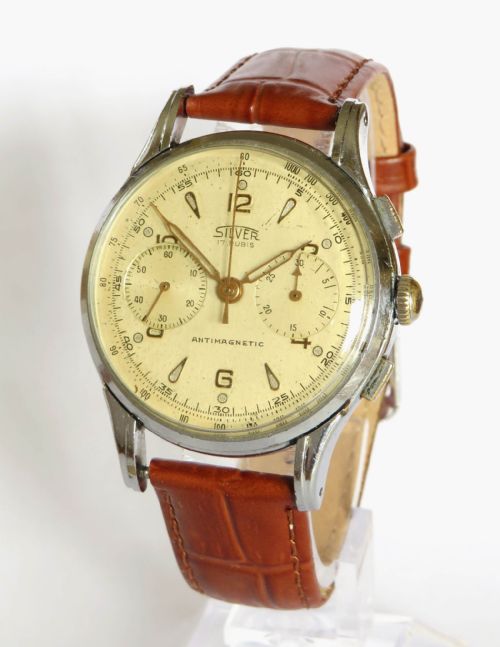
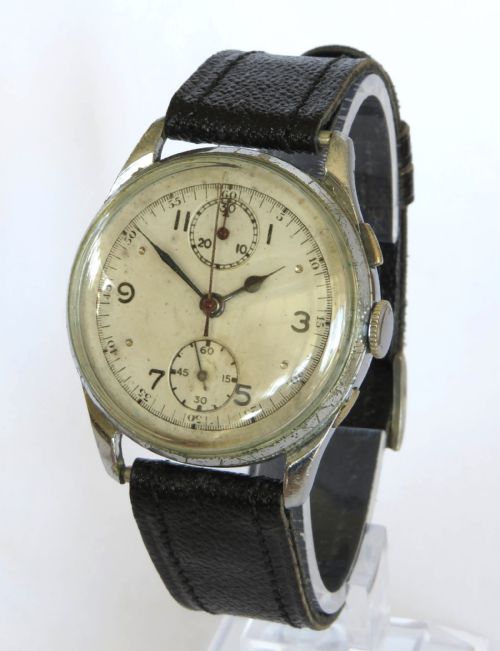
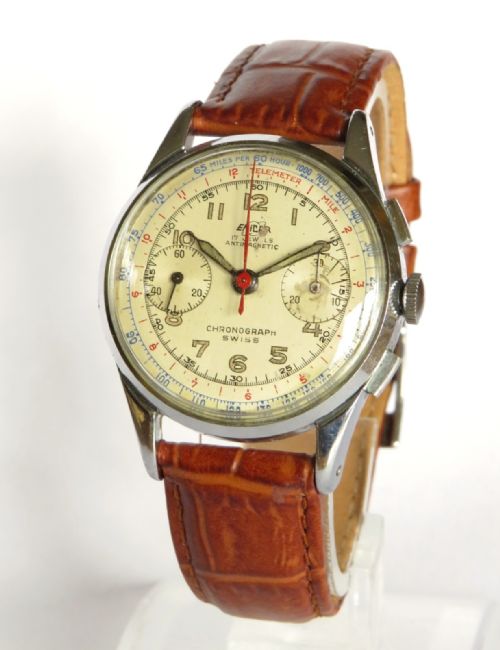
The selections most frequently met on this page date from the 1940s and 1950s, representing the mid-century peak of Swiss and international mechanical chronograph production. These encompass wristwatches with multiple sub-dials and pocket watches featuring complex stop-watch mechanisms.
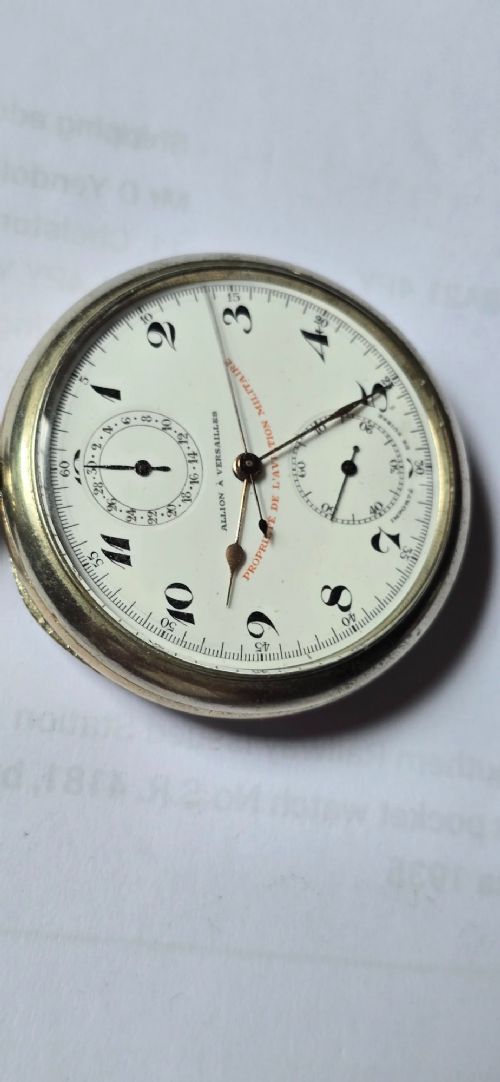
Forms vary from robust military aviation issues and simple two-register wristwatches to complex triple calendar moonphase pieces and gold-plated dress designs. Makers range from small workshops to established Swiss houses, reflecting diverse civilian and professional applications.
Materials and Construction
Casings are primarily fashioned from stainless steel, gold plate, silver, or solid gold, paired with protective glass or acrylic crystals over the dial. Leather straps provide wrist attachment for wearable examples, while pocket watches rely on metal loops and chains.
Internal movements depend on intricate mechanical brass and steel gear trains, regulated by balance wheels and springs. Complex models incorporate additional complications such as triple calendars, moonphase indicators, and minute repeaters built by hand.
Vintage Chronograph Timepiece Retail Price Guide 2026
Typical asking prices for vintage chronograph timepiece among the pieces listed under this phrase on Sellingantiques today, from the lower quarter to the upper quarter. They describe what is for sale here now, not the wider market.
The documented forms include military aviation pocket watches, simple two-register wristwatches, and complex triple date moonphase complications.
Assessing Horological Quality
The standard of a vintage chronograph timepiece rests primarily in the sophistication and finish of its internal movement, such as column-wheel calibres compared to simpler cam-switched mechanisms. Finer examples display exceptional finishing on bridges and gears, ensuring reliable timekeeping and precise stop-watch reset functions.
External execution also dictates tier, where crisp dial printing, well-proportioned subsidiary registers, and unpolished metal cases distinguish high-grade production from standard commercial output. The presence of complex added functions like triple calendars or minute repeaters elevates the technical achievement of the piece.
Allion of Versailles·Omega·Eterna·Richardson·Antoremi·Venus·Enicar·Fludo·Miramar·Benrus·Chronographe Suisse·Beltane·Mundus·Invicta·Breitling
The Vintage Chronograph Timepiece Glossary
- Chronograph
- A watch with a display function for measuring elapsed time, independent of its primary timekeeping hands. It typically utilises a central sweep seconds hand and subsidiary totaliser dials.
- Calibre
- The specific manufacturer's designation for a particular watch movement design. Collectors reference specific calibres to identify the exact mechanical pedigree inside a case.
- Triple Calendar
- A watch complication displaying the day of the week, the month, and the date alongside standard time. These indicators often work in tandem with chronograph or moonphase functions.
- Moonphase
- A dial aperture displaying the current phase of the lunar cycle through a rotating disc. It adds an astronomical complication to mid-century wristwatches.
- Minute Repeater
- A complex complication that chimes the hours, quarters, and minutes on gongs when activated by a slide on the case. This mechanism represents the pinnacle of traditional watchmaking.
Vintage Chronograph Timepiece: Frequently Asked Questions
How do I operate a vintage chronograph?
Most models use pushers positioned on the side of the case above and below the winding crown. The top pusher starts and stops the elapsed time hand, while the bottom pusher resets it to zero.
Avoid pressing the reset button while the chronograph is running to protect the delicate internal heart-cam mechanism from excessive wear.
Are these watches suitable for daily wear?
Many mid-century examples function reliably for daily use if they have been serviced recently. However, vintage movements lack modern shock protection and water resistance.
Take care to keep them away from moisture and magnetic fields, and wind them gently at approximately the same time each day.
What is the difference between a wrist and pocket chronograph?
Pocket chronographs date predominantly from the late nineteenth and early twentieth centuries, offering larger dials and movements designed for waistcoat pockets. Wristwatches emerged more prominently by the 1930s and 1940s for practical portability.
Both utilise similar stop-watch principles, but pocket watches often feature grander complications like minute repeaters.
How do I identify the production era?
Stylistic cues such as Arabic numerals, luminous radium dots, dial fonts, and case shapes help narrow down the decade of manufacture. Art Deco pieces from the 1930s feature geometric lines, while 1950s models often display clean dials and Dauphine hands.
Movement serial numbers and calibre stamps provide further documentation for specific years.