



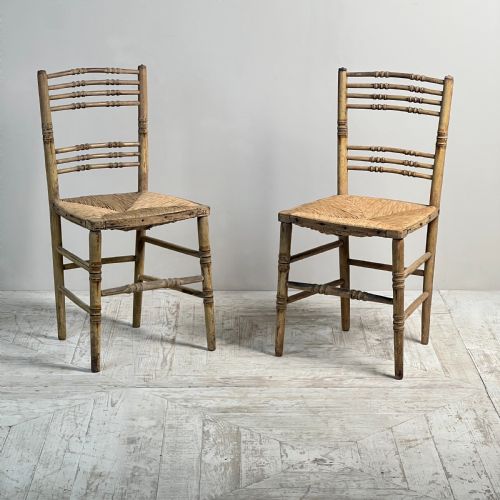


Vintage Chinoiserie Seat
These vintage chinoiserie seat designs bring painted lacquer, bamboo details and oriental motifs into interiors.
Vintage Chinoiserie Seat
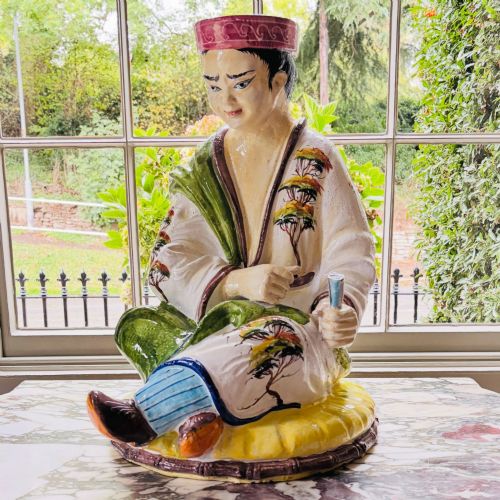
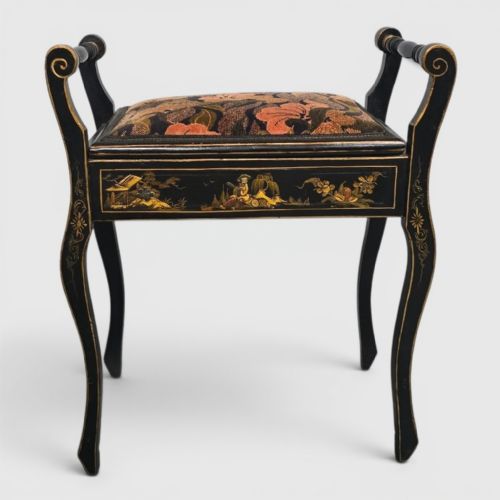
A vintage chinoiserie seat encompasses a varied group of seating forms decorated with traditional oriental motifs and motifs inspired by Chinese export arts. When searching for a vintage chinoiserie seat, buyers encounter diverse seating types including armchairs, side chairs, garden seats, piano stools, footstools, and settees.
The objects span multiple periods from the Regency era and nineteenth century through to Edwardian pieces and items from the 1920s and 1930s. Common style designations within these listings include Victorian Chinoiserie, Edwardian Chinoiserie, Queen Anne Revival, and Chinese Export.
Buyers are most likely to meet painted and lacquered wooden chairs featuring faux bamboo framing or black japanned surfaces. These pieces demonstrate a sustained British interest in Asian decorative arts applied to domestic furniture over several centuries.
Materials and construction
Construction relies on hardwoods and softwoods shaped into standard seating forms, frequently incorporating turned faux bamboo members. Canework, rush, and upholstered fabric provide the seating surfaces across armchairs, side chairs, and stools.
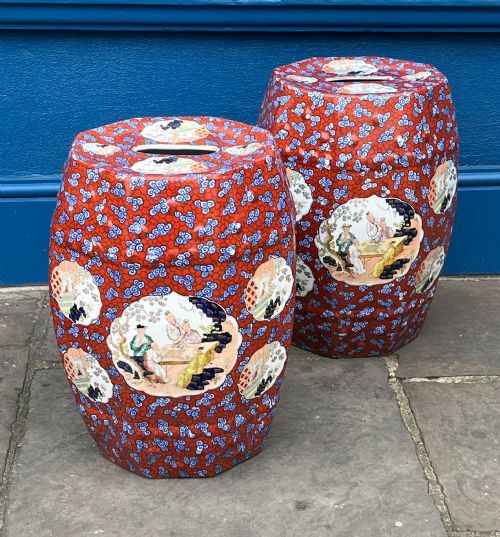
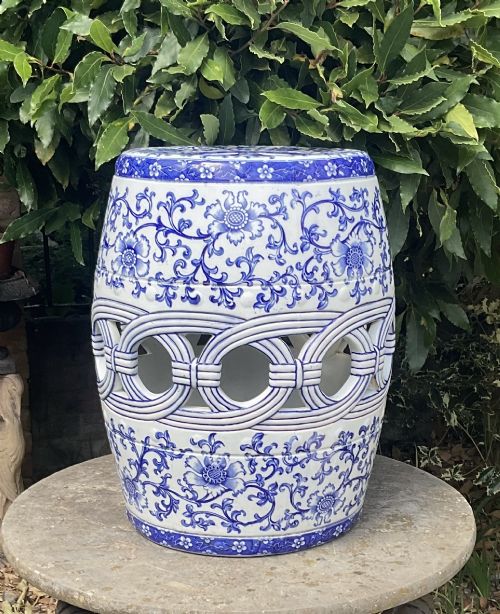
Surface decoration defines the aesthetic through the application of paint, lacquer, and gilt details. Potters also utilised glazed earthenware to create freestanding garden seats.
Vintage Chinoiserie Seat Retail Price Guide 2026
Typical asking prices for vintage chinoiserie seat among the pieces listed under this phrase on Sellingantiques today, from the lower quarter to the upper quarter. They describe what is for sale here now, not the wider market.
Minton brought pottery into the garden by crafting glazed earthenware seats in eighteen-eighty.
Assessing quality and execution
Quality separates through the finesse of the painted decoration and the crispness of the carved or turned elements. Superior examples display intricate hand-painted japanning and detailed gilt work that remains well-preserved across the timber or lacquer.
Structural integrity and the retention of original decorative surfaces distinguish finer items from later adaptations. The depth of the finish and the cohesion of the stylistic revival details dictate the standing of individual pieces.
The Vintage Chinoiserie Seat Glossary
- Japanning
- European imitation of East Asian lacquerwork achieved through the application of layered varnishes and paints. This technique creates a glossy dark surface often highlighted with raised motifs.
- Bergere
- An enclosed upholstered armchair with wooden framing and cane sides or back panels. These seats frequently appear in lacquered finishes within the category.
- Faux bamboo
- Wood turned and carved to imitate the segmented stems of natural bamboo. Makers utilised this decorative framing extensively in nineteenth-century seating.
- Regency
- An architectural and decorative style dating from the early nineteenth century characterised by classical restraint and specific revival motifs. Pieces from this period often employ painted and decorated surfaces.
Vintage Chinoiserie Seat: Frequently Asked Questions
What periods do these seats cover?
The pieces span from the Regency period and the nineteenth century through to Edwardian times and the decades leading up to the 1930s.
Makers across these eras drew upon Chinese export aesthetics and earlier revival styles to produce diverse domestic seating.
How were garden seats made?
Garden seats in this category are constructed from glazed earthenware rather than wood or woven materials.
Potteries such as Minton produced these durable ceramic pieces for outdoor and indoor placement during the late nineteenth century.
What finishes appear on the wood?
Common finishes include black lacquer, japanned surfaces, paint, and gilt detailing applied over hardwood frames.
Some pieces feature satinwood or incorporate natural cane and rush inserts into the seating areas.
Where do the design motifs originate?
The motifs draw inspiration from Chinese export goods and historic East Asian decorative arts that fascinated European makers.
British craftsmen reinterpreted these patterns across chairs, settees, and stools during successive revival periods.