


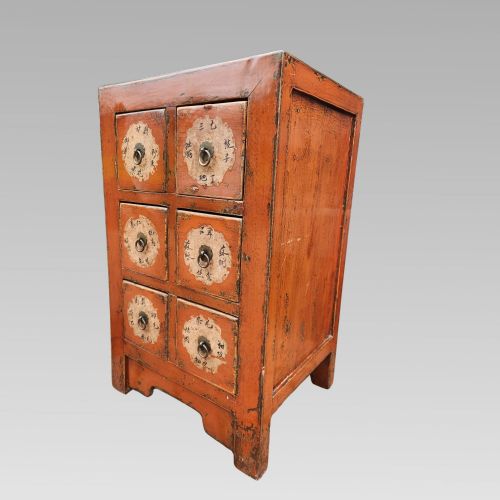


Vintage Chinese Furniture
Vintage chinese furniture brings centuries of craftsmanship into modern rooms through practical forms like elm side tables and lacquered cabinets.
Vintage Chinese Furniture
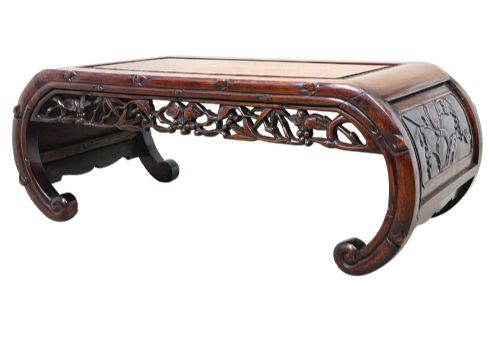
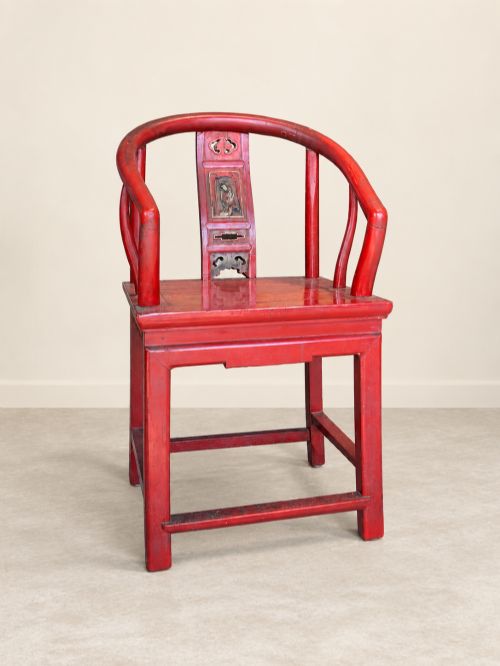
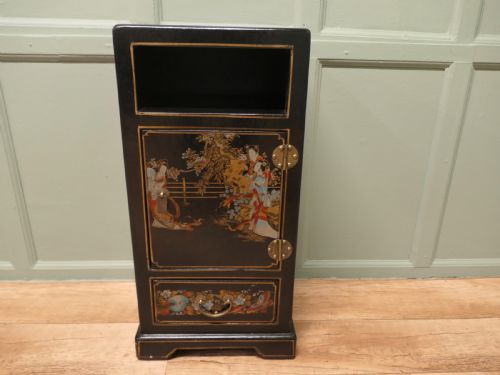
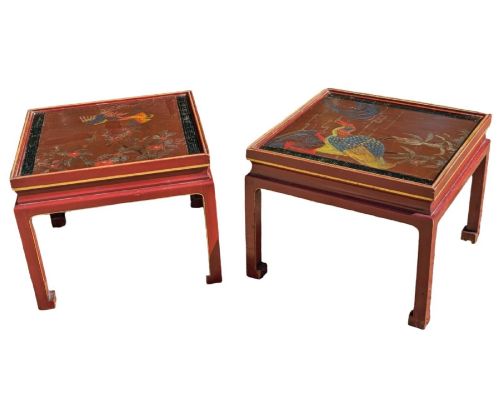
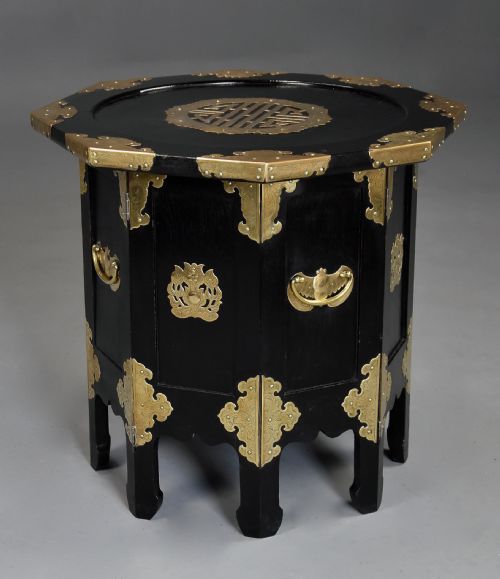
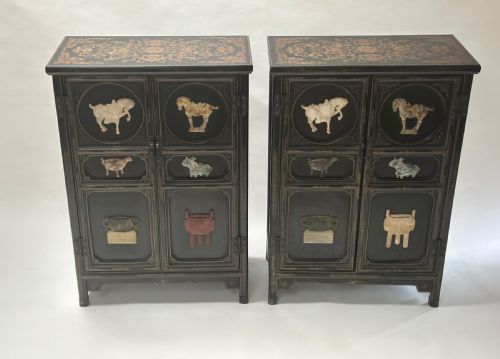
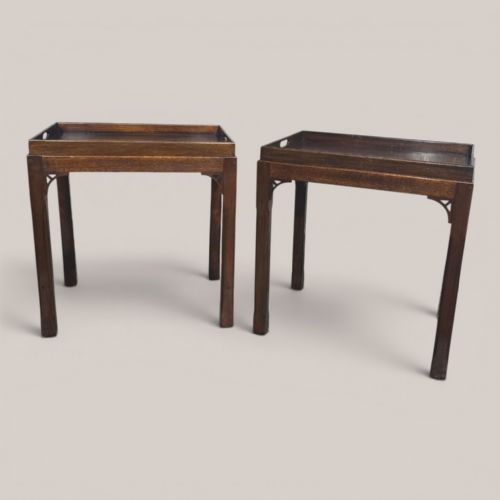
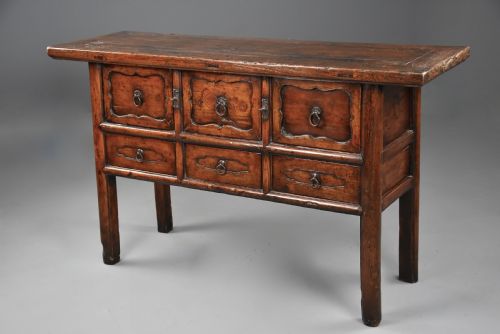
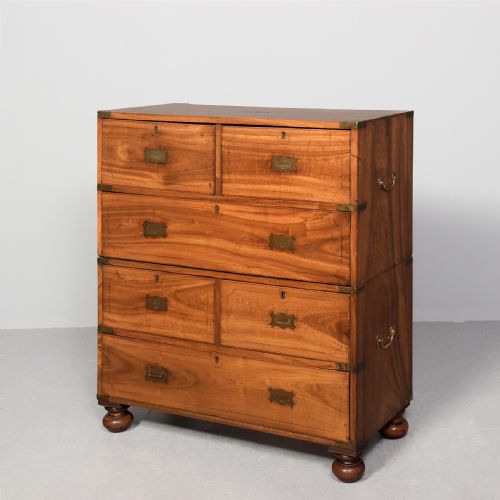
Vintage chinese furniture encompasses practical household items created across the nineteenth and early twentieth centuries, including side tables, plant stands, armchairs, and side cabinets. These pieces reflect regional workshop traditions as well as export markets designed for Western interiors.
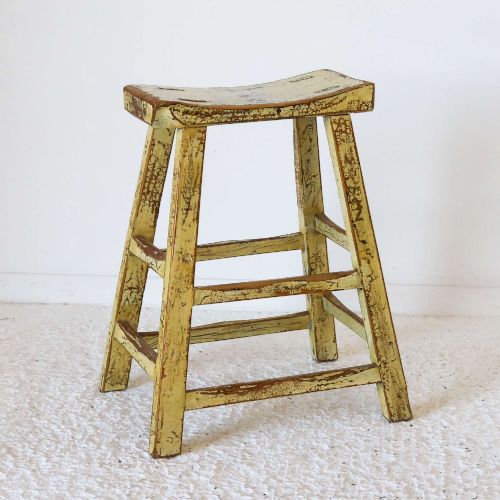
Buyers browsing this selection most frequently encounter elm and hardwood tables, lacquered occasional pieces, and painted seating dating from the late nineteenth century through the nineteen-thirties. These items serve functional roles as coffee tables, lamp tables, and storage cabinets in contemporary homes.
Craftsmanship and Originality
Quality in these pieces depends upon the integrity of the original surface finish, whether deep patinated elm or intact layered lacquer, alongside the crispness of any carved detailing. Unaltered joinery and period-correct brass hardware elevate an item well above later restorations.
Proportion and structural balance also distinguish finer examples, particularly in seating and case pieces where symmetrical alignment and restrained ornamentation demonstrate the maker's skill.
Current listings feature pieces spanning the late Victorian era through the Edwardian period and the nineteen-thirties, utilising elm, hardwood, and lacquer.
The Vintage Chinese Furniture Glossary
- Chinoiserie
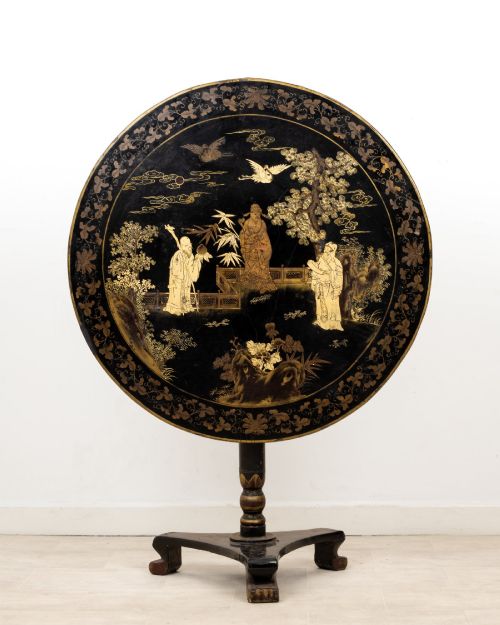
- European interpretation and imitation of Chinese artistic traditions and motifs, popular in decorative furnishings. This style frequently employs black or coloured lacquer with gilt painted scenes.
- Lacquer
- A durable protective and decorative finish applied in multiple thin layers using natural resin. It yields a smooth, glossy surface often decorated with painted or inlaid designs.
- Jardiniere stand
- A tall pedestal or small table specifically designed to hold a plant pot or flower bowl. These objects often feature marble tops to protect the wood from moisture.
- Elm
- A resilient indigenous timber utilised extensively in regional Chinese cabinetry and tables. It possesses a distinct grain pattern and accepts patination exceptionally well.
Vintage Chinese Furniture: Frequently Asked Questions
How do I clean lacquered surfaces?
Dust surfaces gently with a soft, dry cloth to protect the delicate finish. Avoid using chemical sprays or abrasive household cleaners.
Keep pieces away from direct sunlight and excessive moisture to prevent the lacquer from cracking or lifting over time.
Are these pieces suitable for daily use?
Most items, particularly sturdy elm tables and solid hardwood chairs, were built for practical household service. They handle everyday living remarkably well.
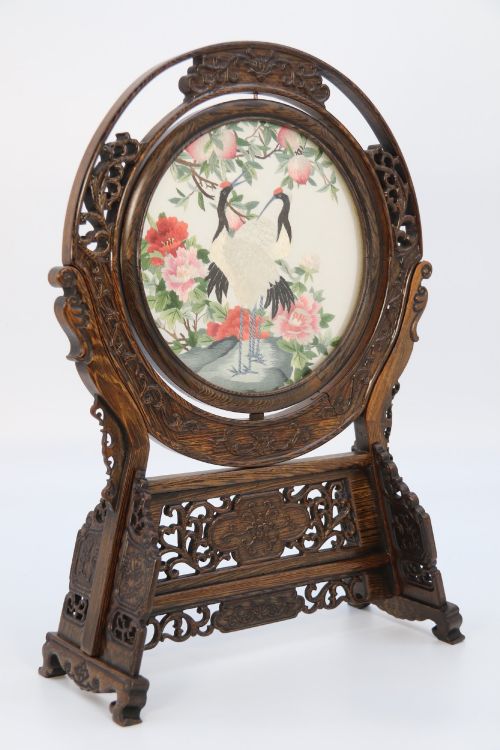
Delicate lacquered items or those with intricate silk embroidery require more mindful placement away from heavy wear and spills.
How do I identify nineteenth-century pieces?
Examine the construction methods for traditional joinery, hand-cut components, and period-appropriate hardware such as brass mounts. Elm and camphor wood items often display deep natural patination developed over generations.
Stylistic cues like Qing Dynasty influences and traditional regional designs help separate older pieces from later twentieth-century reproductions.
Where should I place a plant stand?
These tall pedestals work effectively in room corners or beside seating to display ceramics or decorative foliage. Marble-topped versions offer practical resistance against water drips.
Ensure the base rests steadily on level flooring since many period stands feature slender proportions.