





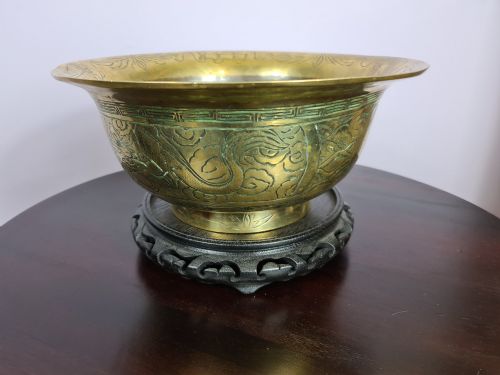

Vintage Chinese Dragons
Vintage chinese dragons appear across nineteenth century silver, bronze, carved hardwood furniture, and porcelain lamps.
Vintage Chinese Dragons
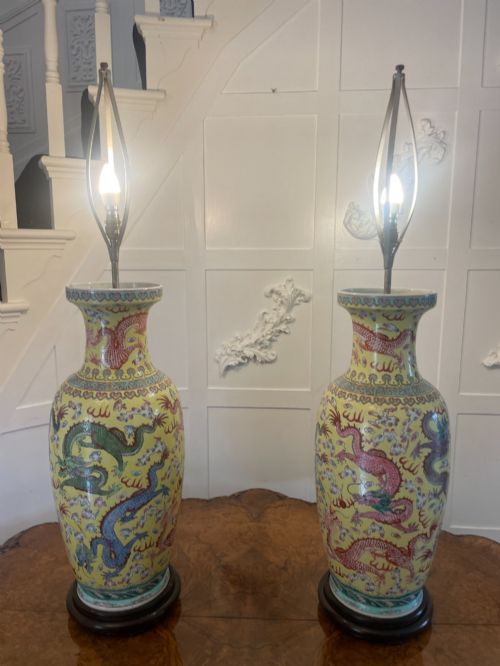
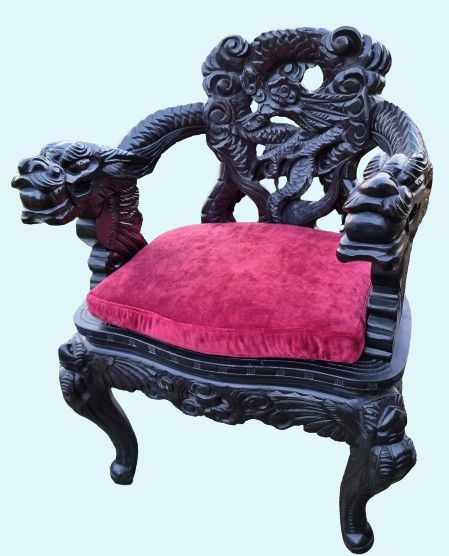
The objects span practical furnishings such as carved armchairs, nest of tables, and camphor wood storage chests alongside decorative porcelain vases, cloisonne lamps, and detailed silver tableware. These pieces integrate traditional mythical motifs into functional domestic items made across various Asian and Western workshops.
Materials and construction
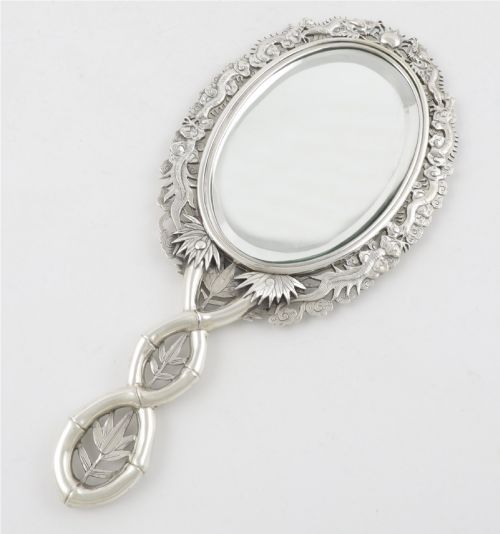
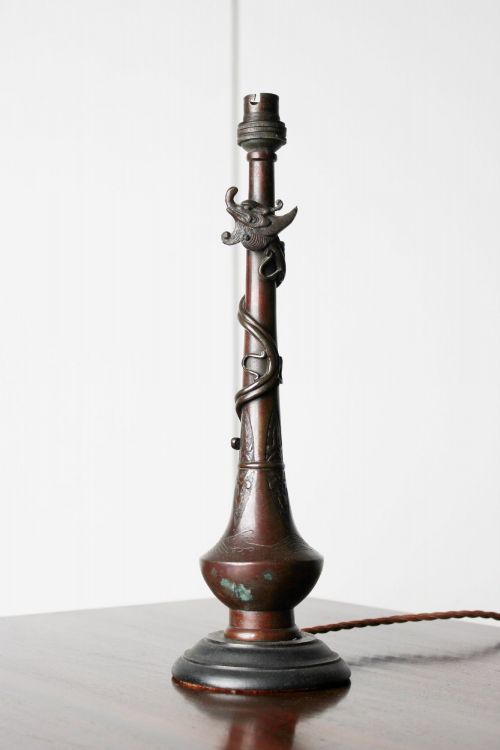
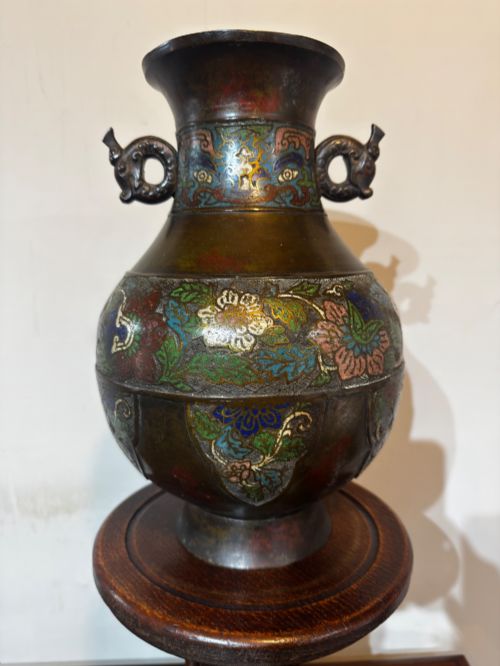
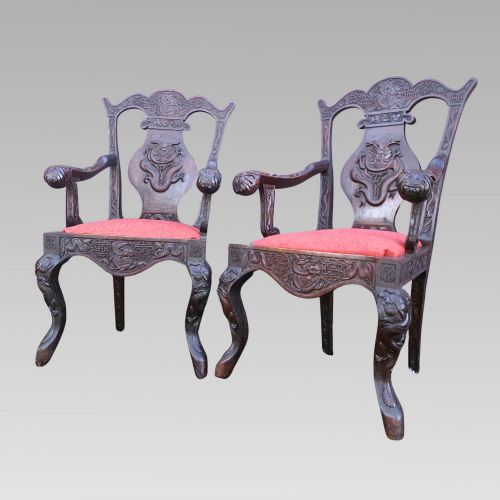
Makers utilised dense natural materials including hardwood, rosewood, elm, and camphor wood to construct furniture and storage boxes, frequently applying deep relief carving to render serpentine scales and claws. Metals such as bronze, brass, and silver provide the foundation for cast vessels, champleve enamel work, and intricate hand mirrors.
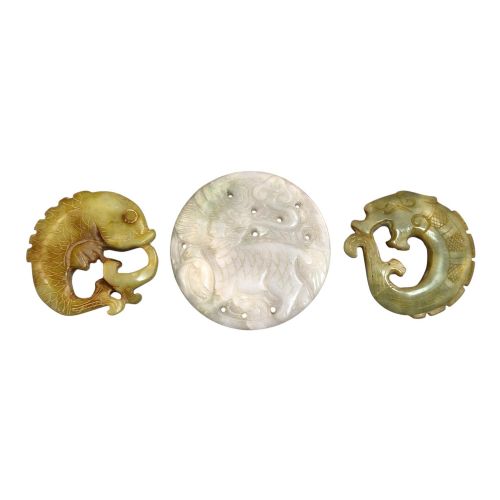
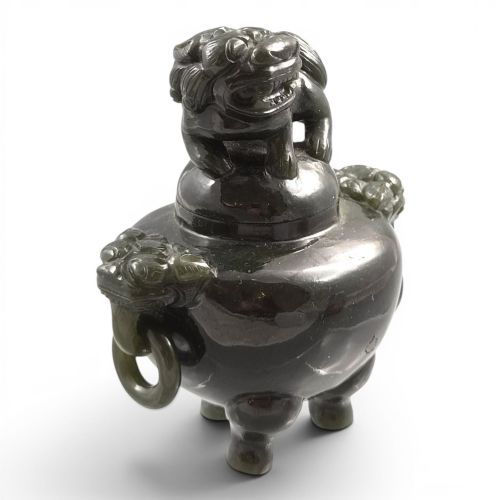
Ceramic pieces rely on porcelain bodies decorated with underglaze blue pigments, enamel colours, and specialised lustre glazes. Artisans also worked with hardstones like jade and jadeite, shaping pendants, amulets, and tripod censers through careful grinding and polishing.
Vintage Chinese Dragons Retail Price Guide 2026
Typical asking prices for vintage chinese dragons among the pieces listed under this phrase on Sellingantiques today, from the lower quarter to the upper quarter. They describe what is for sale here now, not the wider market.
Several fierce dragons coil permanently around peaceful tea ceremony gongs and delicate porcelain bowls.
Distinctions in quality
In ceramics and enamelware, the refinement of the glaze, the vibrancy of the pigment control, and the absence of firing distortions distinguish finer workshop output from standard commercial production. Maker marks and silver stamps further separate standard export goods from exceptional studio pieces.
Cum Shing·Wang Hing and Co·Daisy Makeig Jones Wedgwood
The Vintage Chinese Dragons Glossary
- Champleve
- A technique where enamel is applied into depressions or troughs carved into a metal surface before firing. This method creates rich coloured patterns alongside exposed bronze or brass outlines.
- Cloisonne
- A metalwork decoration method using thin wire soldered to a base to form cells that are filled with vitreous enamel. The piece is then fired and polished to a smooth finish.
- Republic Period
- The era in Chinese history lasting from 1912 until 1949, following the fall of the Qing Dynasty. Items from this time often exhibit transitional design motifs influenced by international trade.
- Chinoiserie
- European artistic styles reflecting Chinese decorative motifs, popular across various periods. These interpretations apply Eastern dragon designs to domestic furniture and lighting made in the West.
- Qing Dynasty
- The final imperial dynasty of China, ruling from 1644 to 1912. Many decorative arts featuring dragon iconography originate from the later decades of this imperial rule.
Vintage Chinese Dragons: Frequently Asked Questions
What periods do these pieces date from?
The selection spans items created during the nineteenth century, the Edwardian era, and the early twentieth century including the Chinese Republic Period. Many objects reflect late Qing Dynasty manufacturing traditions alongside early twentieth century export production.
Craftsmen produced these works across multiple decades, leading to a blend of traditional imperial motifs and items made specifically for Western trade markets.
How were dragon motifs used on furniture?
Carvers applied dragon designs in high relief onto hardwood armchairs, screen panels, lantern stands, and camphor wood storage chests. These figures twist along table borders and chair crestings, serving both structural ornamentation and symbolic protection.
The woodwork often combines dense local timbers with traditional joinery techniques, allowing the carved mythical beasts to dominate the visual profile of each piece.
What metals are commonly found?
Bronze, brass, and silver appear frequently across candlesticks, vases, table lamps, cigarette boxes, and hand mirrors. Workshops employed casting, hammering, and champleve enamelling to build texture and colour into the metal surfaces.
These metal items range from heavy cast brass bowls to delicate silver dishes bearing maker marks from prominent export silversmiths.
How do I care for wooden items?
Hardwood and camphor wood pieces require stable room humidity and protection from direct sunlight to preserve the timber and any applied wax finishes. Regular dusting with a soft cloth maintains the surface without stripping natural oils from the carved details.
Avoid placing wooden furniture near direct heat sources to prevent shrinkage and splitting in older panels and joints.