




Vintage Chess Game
A vintage chess game brings centuries of craftsmanship into the room, offering carved pieces and boards that double as fine furniture.
Vintage Chess Game
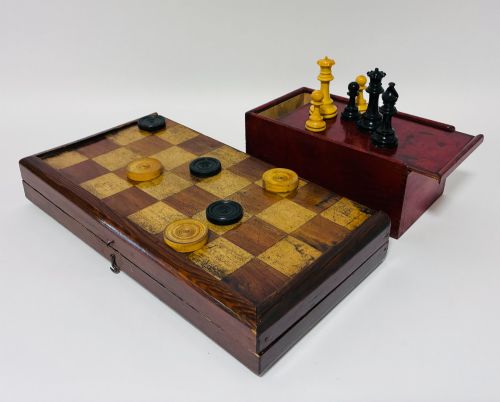
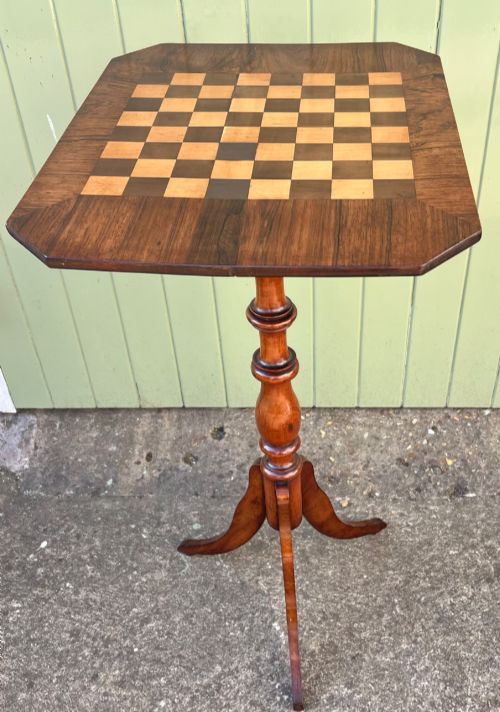
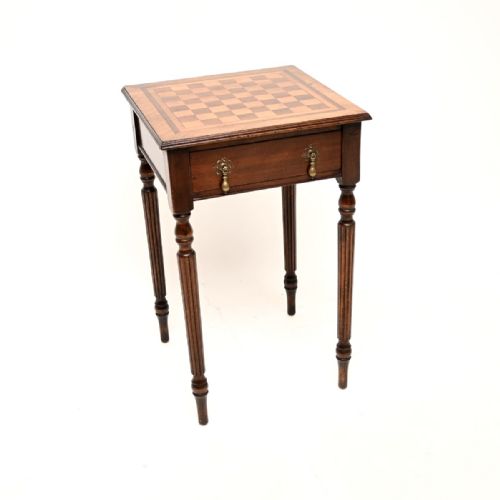
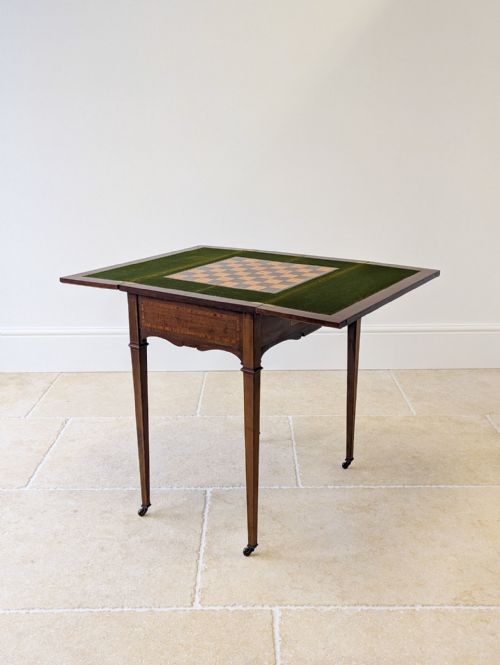
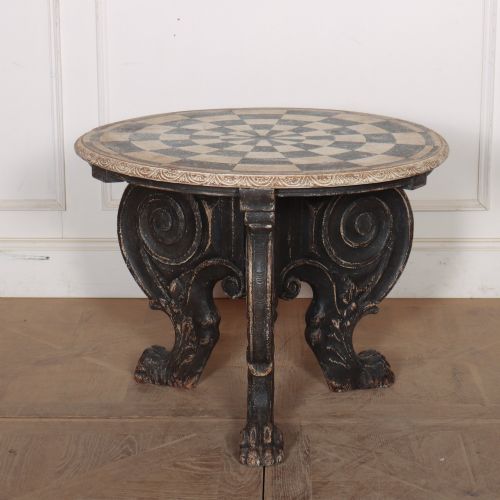
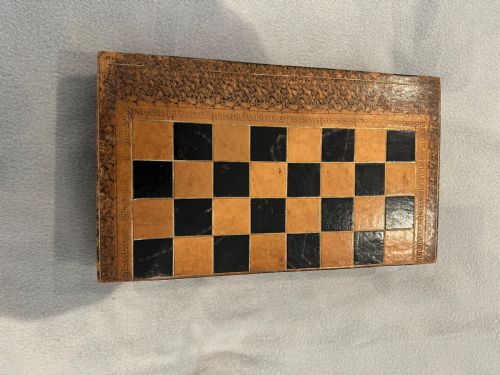
When you search for a vintage chess game, you encounter a wide variety of objects ranging from dedicated tables and folding boards to complete sets housed in boxes and compendiums. The items span the nineteenth and early twentieth centuries, encompassing Victorian, Edwardian, and Regency periods.
How they were made
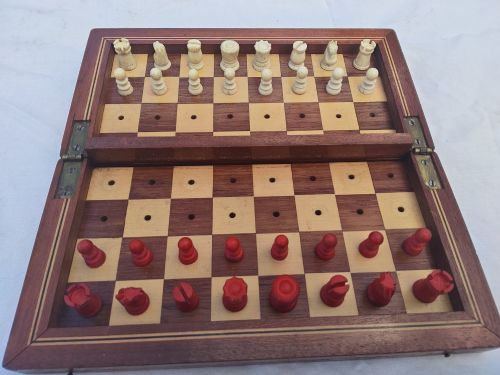
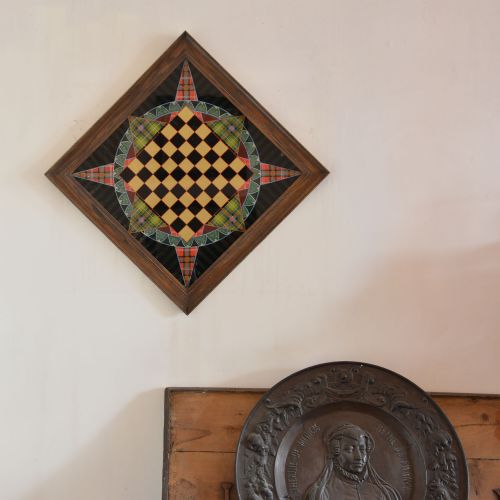
The pieces and boards rely on traditional timbers such as rosewood, mahogany, boxwood, and ebony, often combined with sycamore, walnut, and satinwood for contrasting inlays. Bone appears frequently in travelling sets, while brass, leather, and reverse glass painting feature on specific boards.
Makers utilised specialised turning for weighted Staunton pieces, hand-carving for ornamental sets, and precision joinery for fold-over tables and compartmented games boxes. Materials like marble and mother of pearl also appear in specialised regional production.
Vintage Chess Game Retail Price Guide 2026
Typical asking prices for vintage chess game among the pieces listed under this phrase on Sellingantiques today, from the lower quarter to the upper quarter. They describe what is for sale here now, not the wider market.
What varies in quality
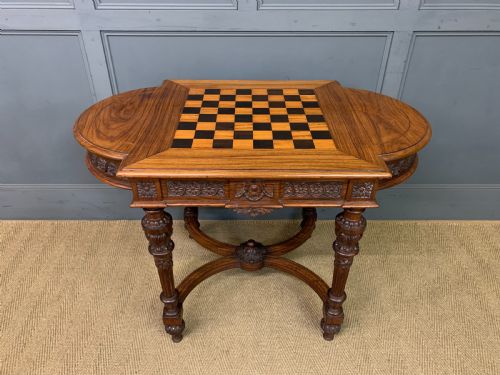
Quality rests in the precision of the turning on the pieces, the stability of the timber on the boards, and the retention of original weights in sets by known makers. Finer examples display crisp detail in carved knights and precise mitring on inlaid table borders.
The sophistication of the secondary functions also distinguishes the range, where multi-game compendiums with integrated cribbage, backgammon, and chess facilities demonstrate superior interior carpentry compared to simple folding boards.
F. H. Ayres·British Chess Company
The Vintage Chess Game Glossary
- Staunton pattern
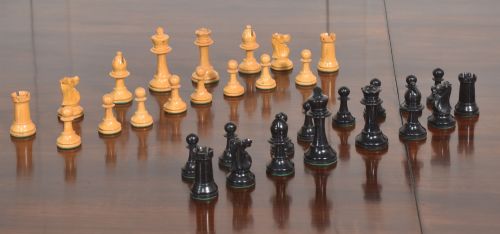
- The standard design for chess pieces introduced in the mid-nineteenth century, characterised by realistic architectural heads and weighted bases. It remains the tournament standard today.
- Games compendium
- A fitted box containing equipment for multiple pastimes, typically including chess, backgammon, draughts, and cards. These multi-tier boxes demonstrate exceptional nineteenth-century cabinetmaking.
- Whittington pattern
- A specific nineteenth-century style of carved bone chess set often utilised for travelling variants. These sets are compact and frequently stored in specialised leather cases.
- Anglo-Indian
- Describing items manufactured in India during the British colonial period, often utilising dense rosewood and intricate inlay work for export to European markets.
- Quartetto
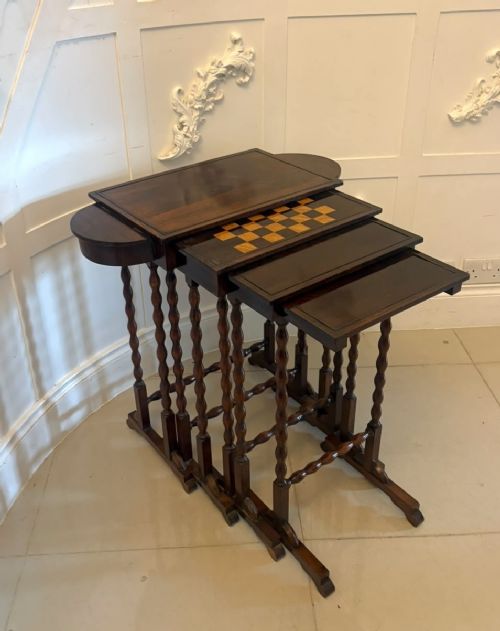
- A nested set of four tables designed to slide neatly beneath one another, sometimes integrating a chess board top into the primary surface.
Vintage Chess Game: Frequently Asked Questions
What is a Staunton chess set?
A Staunton chess set is the traditional design established in the mid-nineteenth century featuring standardised, easily recognizable pieces with weighted bases for stability.
This pattern transformed competitive play by replacing older, highly abstract regional designs with uniform figures that prevent confusion during matches.
How do travelling chess sets work?
Travelling chess sets are built for portability, often utilising smaller dimensions, folding boards, and pegged or magnetic pieces to prevent shifting during transit.
Many examples feature leather cases or compact wooden boxes that secure the pieces internally when closed for storage.
What is a games compendium?
A games compendium is a fitted wooden box or chest containing the equipment required to play multiple tabletop pastimes in one unified package.
Interiors typically feature lift-out trays holding chess sets, backgammon boards, draughts pieces, dominoes, and card decks.
How do I date a vintage chess table?
Dating a chess table involves examining the primary timber species, leg styles, and construction techniques relative to known decorative periods like the Victorian or Edwardian eras.
Inlaid borders, structural joinery styles, and secondary woods inside drawers provide additional clues regarding the decade of manufacture.