





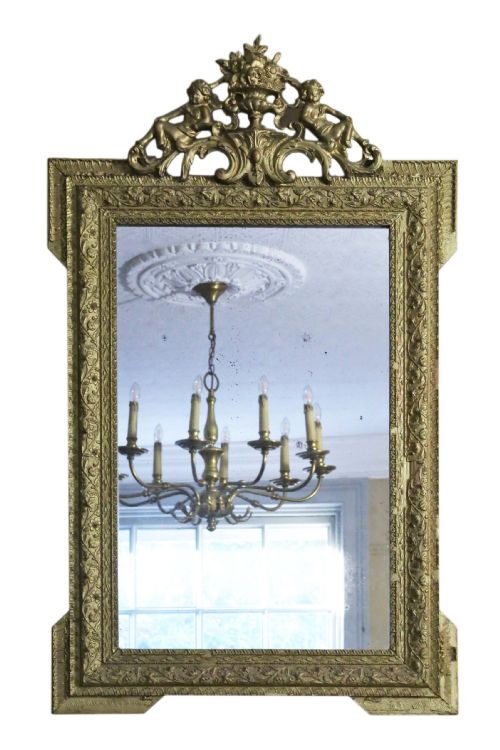


Vintage Cherub Mirror
A vintage cherub mirror brings spirited, figurative charm to an interior, pairing reflective glass with sculpted celestial carvings.
Vintage Cherub Mirror
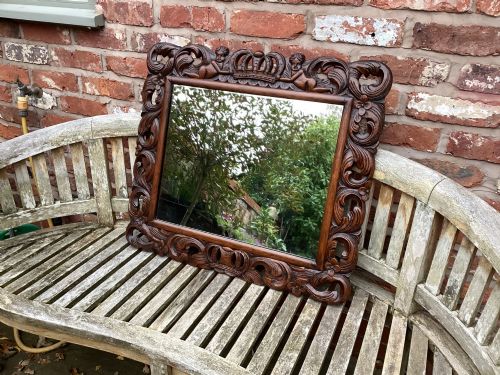
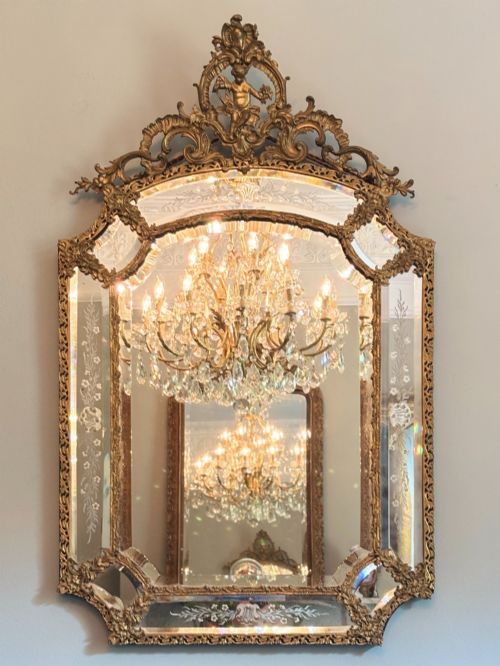
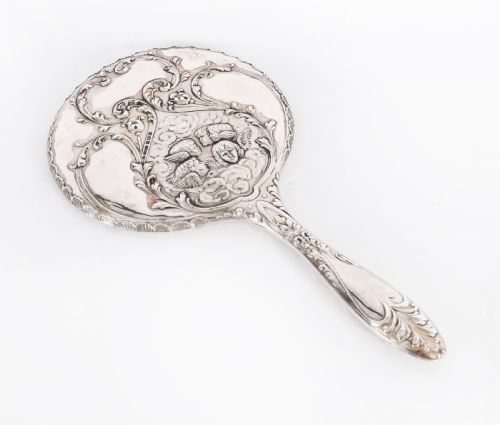
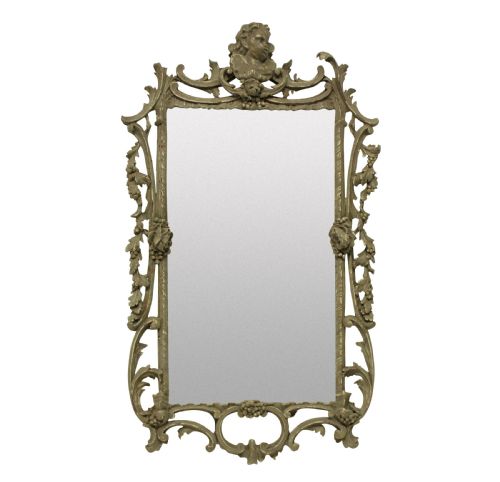
A vintage cherub mirror centres on sculptural putti or winged figures, appearing most frequently in wall-hanging and hand-held forms across this selection. These pieces span the nineteenth century into the early twentieth century, drawing on Victorian, Edwardian, and continental revival styles.
The objects take various shapes, from grand overmantels and wall mirrors to compact hand mirrors and dressing table accessories. Buyers encounter pieces framed in giltwood, gesso, cast metals, and polished sterling silver, reflecting diverse European design traditions.
The most common formats on this page combine carved wooden or cast metal frames with prominent cherubic motifs mounted above the glass plate. These designs channel Rococo, Louis XVI, and Baroque revivals, prioritising ornate sculptural detail around the reflective surface.
Assessing Craftsmanship and Material Quality
The integrity of the original plate glass and the application of gilding determine the visual coherence of the piece. Authentic period surfaces retain their original patination, depth of colour, and mounting hardware, preserving the intended balance between mirror and frame.
Vintage Cherub Mirror Retail Price Guide 2026
Typical asking prices for vintage cherub mirror among the pieces listed under this phrase on Sellingantiques today, from the lower quarter to the upper quarter. They describe what is for sale here now, not the wider market.
The listings span the Victorian, Edwardian, and Art Deco eras, demonstrating wide variation in period aesthetics.
Charles Boyton·S Blanckensee and Son·Coalbrookdale
The Vintage Cherub Mirror Glossary
- Putto
- A plump, naked male child figure frequently depicted in classical art and architectural decoration. These figures are commonly referred to as cherubs on mirror crests.
- Gesso
- A plaster mixture applied to wood or canvas as a base for painting or gilding. Artisans carve and mould this substance to create relief ornamentation on frames.
- Giltwood
- Timber that has been covered with a thin layer of gold leaf or gold paint. This technique creates a bright, reflective finish popular in grand interior styles.
- Overmantel mirror
- A large mirror designed to hang specifically above a fireplace mantelpiece. These pieces often feature horizontal proportions and decorative crests.
- Assay mark
- A stamp or series of stamps indicating the purity of precious metal and the office of testing. Silver hand mirrors use these marks to verify metal standards.
Vintage Cherub Mirror: Frequently Asked Questions
How do I hang a heavy giltwood mirror?
Heavy carved wood and gesso mirrors require secure fixings anchored directly into wall studs or masonry using appropriate brackets. Professional installation ensures the substantial weight is distributed safely.
Position the mirror at eye level to reflect natural light and balance the surrounding furniture scale within the room.
Can I clean tarnished sterling silver hand mirrors?
Silver hand mirrors benefit from gentle cleaning with a specialised microfibre cloth to remove surface tarnish without disturbing embossed details. Avoid harsh chemical dips that strip the natural age and patina from the metal.
Store silver items in dry environments to maintain their finish and prevent future oxidation of the embossed cherub designs.
How do I identify a reproduction from a period piece?
Period pieces display authentic construction methods, such as hand-cut joinery in wooden frames and period-appropriate oxidation on the mirror plate. Examining the backboards and fixings often reveals the age of the materials.
Consulting hallmarks on silver elements or cast foundry marks provides reliable chronological markers for dating the object.
Where should I place a cherub wall mirror?
These decorative mirrors work effectively in hallways, living rooms, or above dressing tables where their figurative carvings act as focal points. Pairing them with traditional or eclectic interiors enhances their sculptural presence.
Ensure the mirror faces a light source or window to maximise illumination and brighten the surrounding space.