

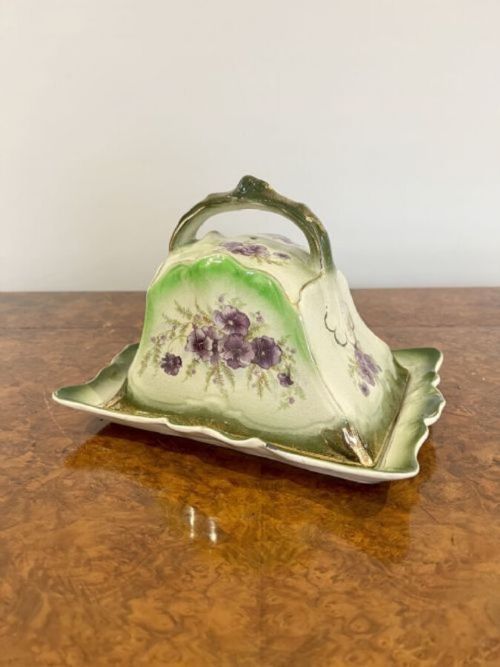


Vintage Cheese Bell
These vintage cheese bell examples combine practicality with Victorian style, offering a protective cover for the table.
Vintage Cheese Bell
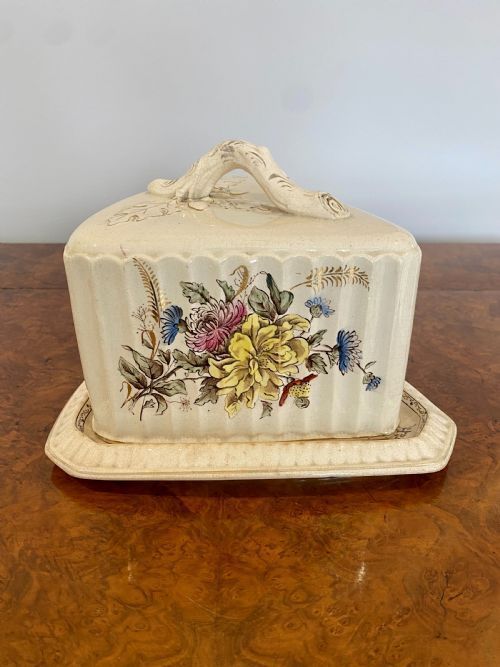
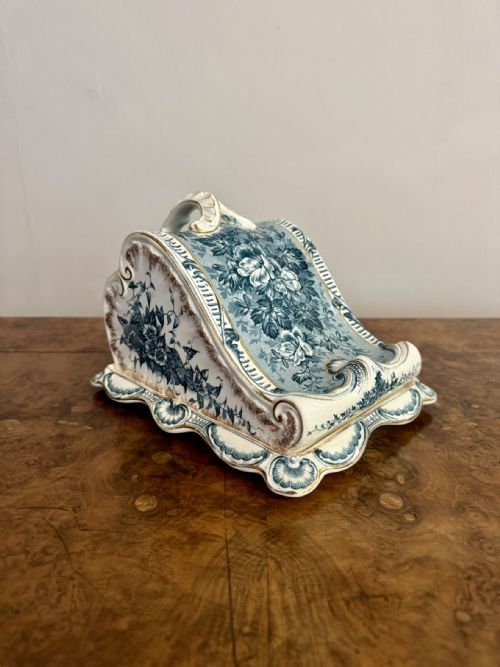
A vintage cheese bell comprises a domed cover and a matching base plate designed to keep cheese fresh on the dining table. When searching for a vintage cheese bell, buyers encounter domestic serveware dating from the Victorian period through to the nineteen twenties.
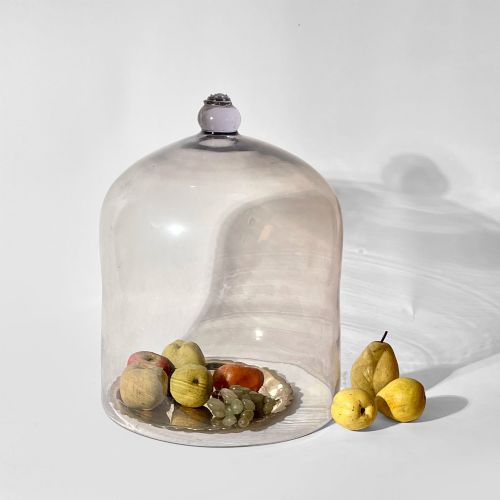
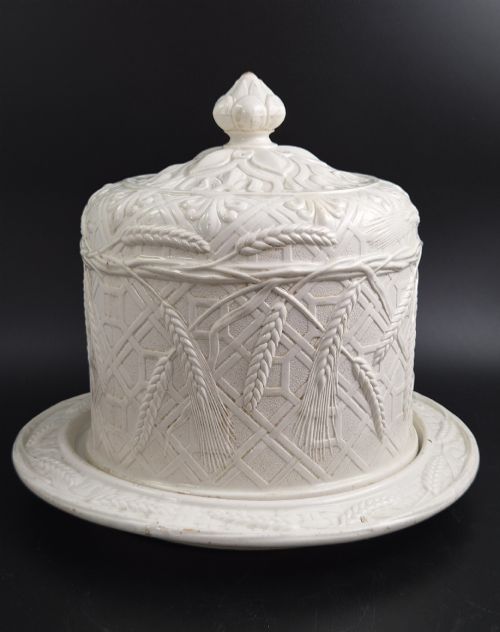
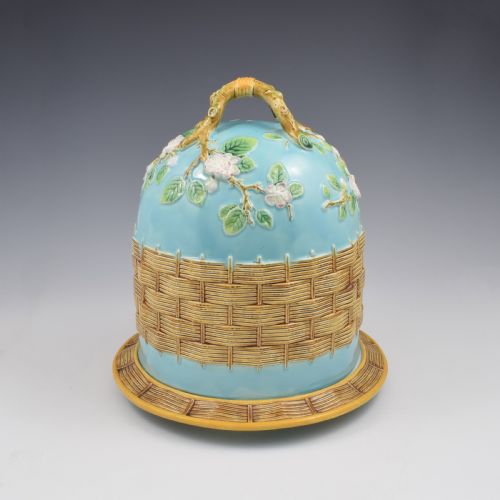
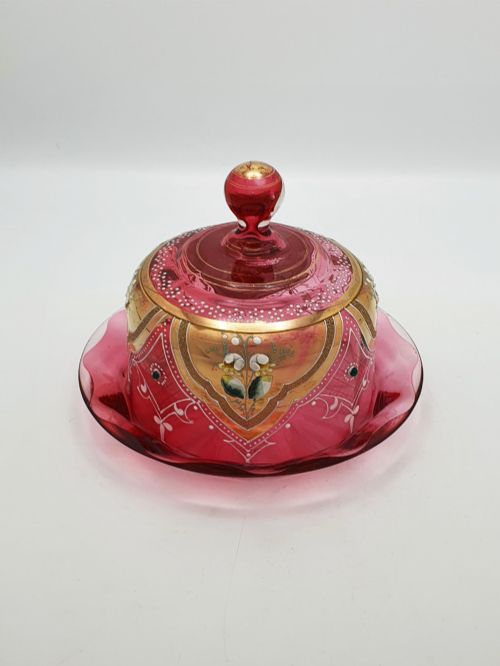
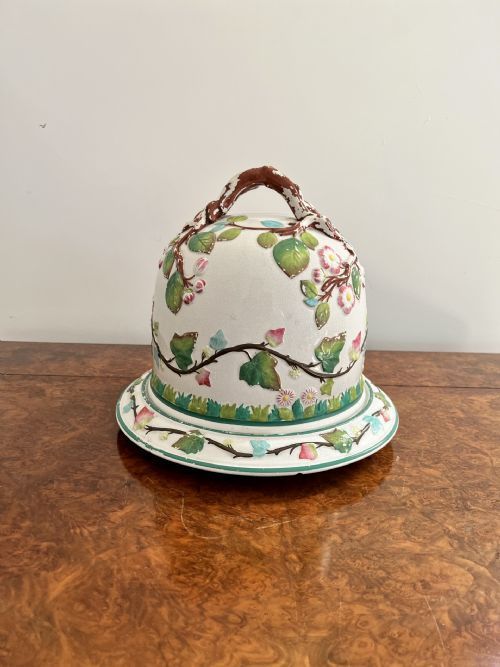
The pieces on this page span several forms including earthenware cheese domes, glazed ceramic dishes, and glass covers paired with silver plate stands. Common styles range from plain white ironstone to ornate majolica and Edwardian designs.
How they were made
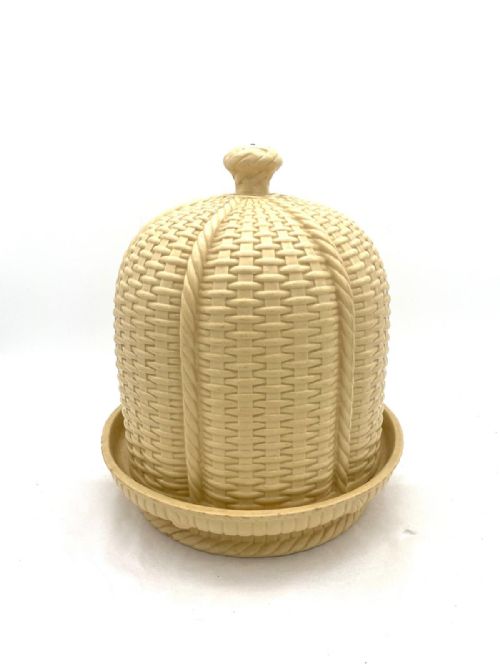
Potters shaped earthenware and ironstone bodies using press-moulding techniques to create heavy bases and domed covers. Surface decoration often involved moulded relief patterns such as wheat and lattice, basket weave, or apple blossom motifs.
Glazing techniques provided a protective finish across ceramic surfaces, while majolica pieces utilised colourful lead glazes fired over relief decoration. Glass versions, including cranberry glass, were blown and shaped into domes, sometimes paired with silver plate stands.
Vintage Cheese Bell Retail Price Guide 2026
Typical asking prices for vintage cheese bell among the pieces listed under this phrase on Sellingantiques today, from the lower quarter to the upper quarter. They describe what is for sale here now, not the wider market.
Some Victorian cows found themselves immortalized as handles on the very domes meant to guard their produce from the dining room cat.
What varies in quality
Quality in these pieces rests on the crispness of the moulded relief work and the richness of the glaze application. Elaborate modelling on majolica or jasper ware distinguishes finer examples from plain utilitarian wares.
The integrity of the paired elements determines overall standard, particularly where glass domes meet silver plate stands or ceramic covers fit their matching bases precisely.
George Jones
The Vintage Cheese Bell Glossary
- Ironstone
- A heavy, durable type of earthenware patented in the nineteenth century. It provided a robust body for domestic serveware.
- Majolica
- A type of earthenware covered with an opaque tin glaze and painted with metallic oxide colours. It is known for bright hues and naturalistic relief moulding.
- Drabware
- A stoneware or earthenware body coloured in dull shades of grey-brown or olive. It gained popularity during the nineteenth century.
- Cranberry glass
- A rich red-pink glass coloured with gold chloride during production. It appears frequently in decorative tableware from the Victorian period onwards.
- Silver plate
- A base metal coated with a thin layer of silver through electroplating. It provides the appearance of solid silver on stands and mounts.
Vintage Cheese Bell: Frequently Asked Questions
How were cheese bells used?
These pieces served practical functions in domestic dining rooms by preserving cheese between meals. The cover trapped moisture and shielded the food from open air in the days before domestic refrigeration.
They were brought to the table during the cheese course at the end of a formal meal. Servants or hosts removed the dome to present the food to guests.
How do I date a cheese dish?
Dating relies on identifying the material, manufacturing technique, and decorative style recorded in the piece. Victorian examples often feature heavy ironstone, elaborate majolica glazing, or relief moulded motifs like wheat and basket weave.
Later pieces from the nineteen hundreds and nineteen twenties introduce Edwardian aesthetics, cranberry glass, or silver plate mounts. Form and weight offer further clues to the period of manufacture.
Can I use an antique cheese bell today?
These items remain functional for serving and storing hard cheeses at room temperature. Their ceramic and glass construction makes them suitable for everyday kitchen use.
Careful handling is recommended due to the age of the materials and the matching nature of the dome and base plate. Hand washing preserves the original glazes and decorative surfaces.