
Vintage Chandelier with Drops
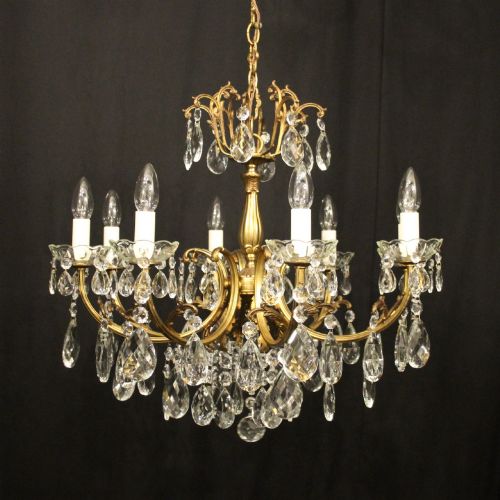
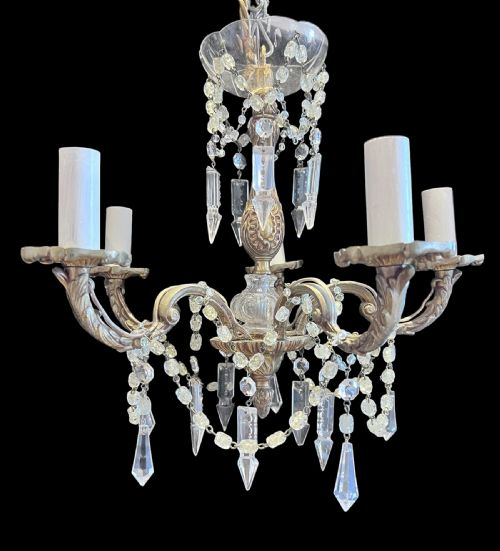
A vintage chandelier with drops brings brilliant atmosphere to a room, catching the light through cut crystal prisms and glass beads.
Vintage Chandelier with Drops
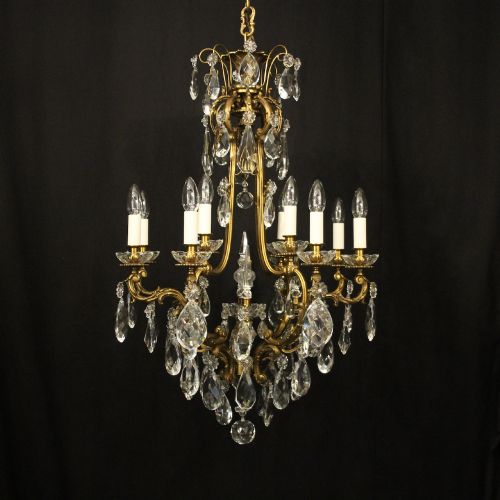
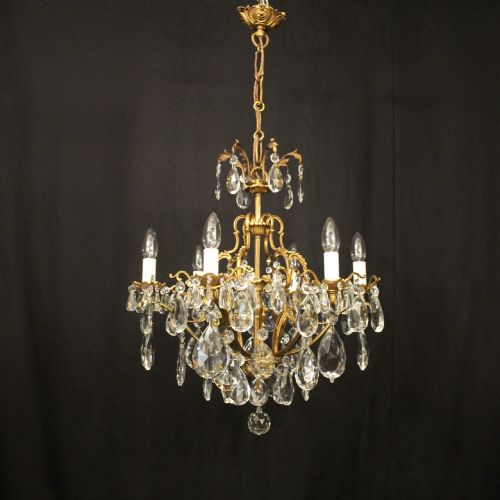
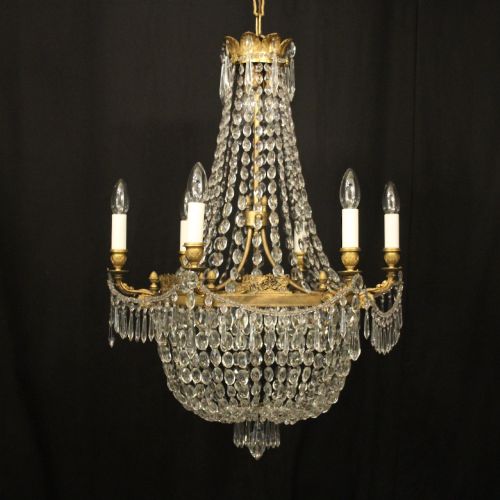
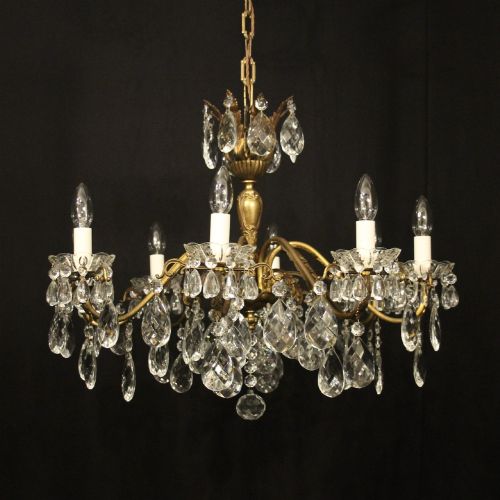
When you search for a vintage chandelier with drops, you encounter overhead lighting designed to refract and multiply illumination through hanging crystal and glass elements. These fixtures date primarily from the late nineteenth century through to the 1930s, encompassing Edwardian examples alongside French and Italian designs.
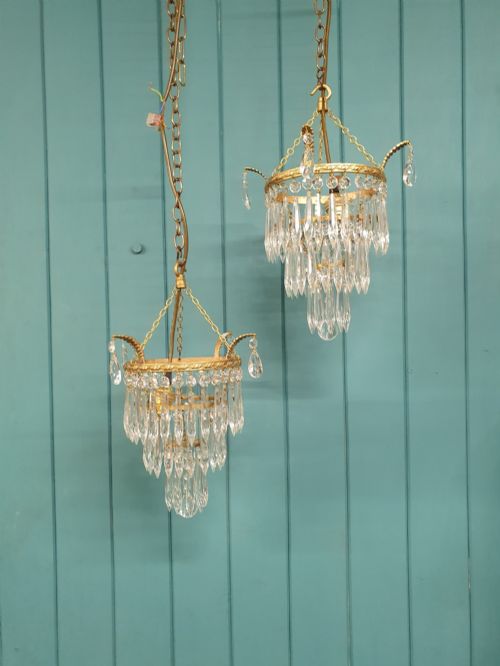
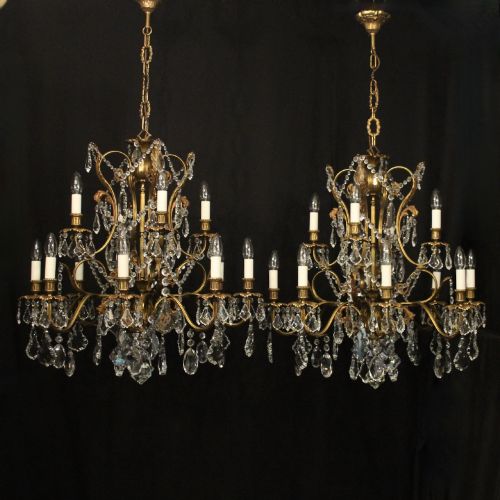
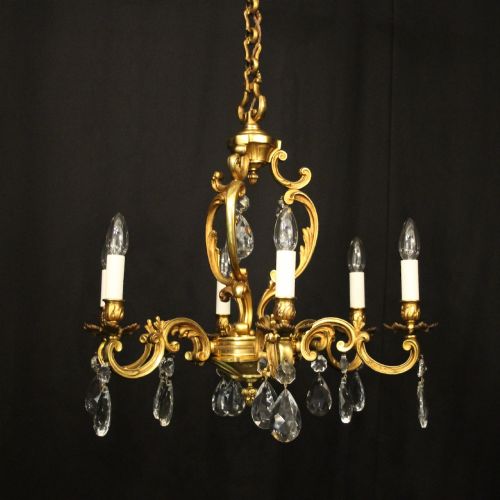
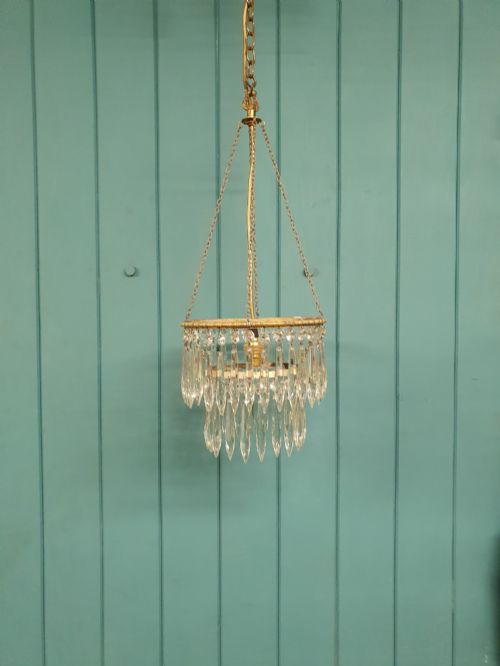
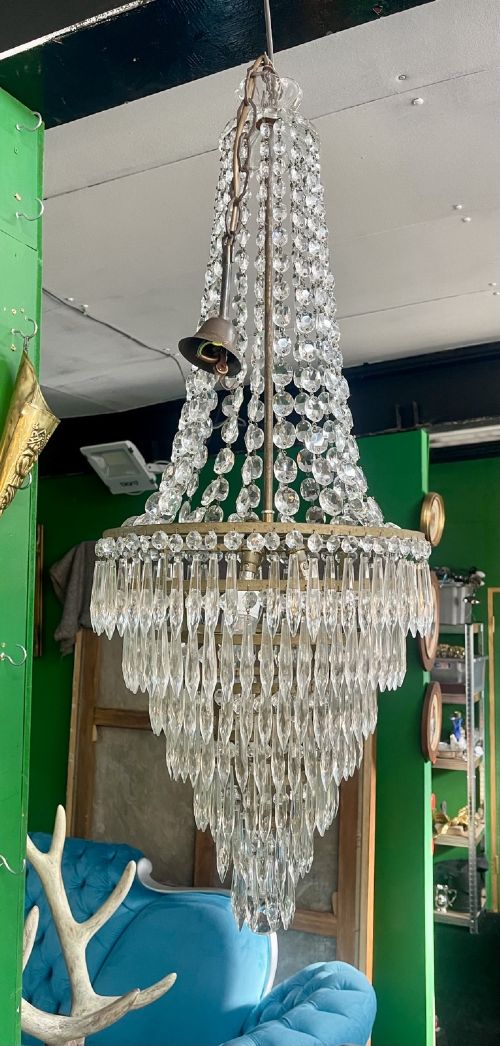
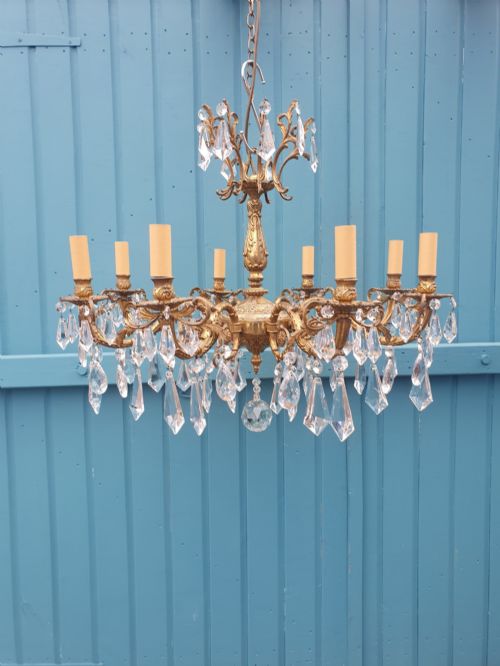
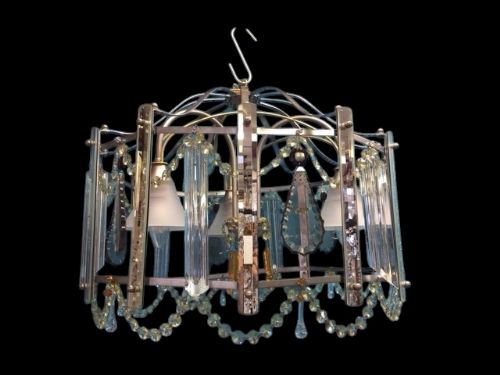
The selections available range from large twelve-light fixtures down to small nine-inch wire pieces, featuring French Empire, Rococo Revival, Maria Theresa, and tent-and-bag configurations. Brass, gilt metal, wrought iron, and bronze form the structural frames that support the extensive arrays of glass drops.
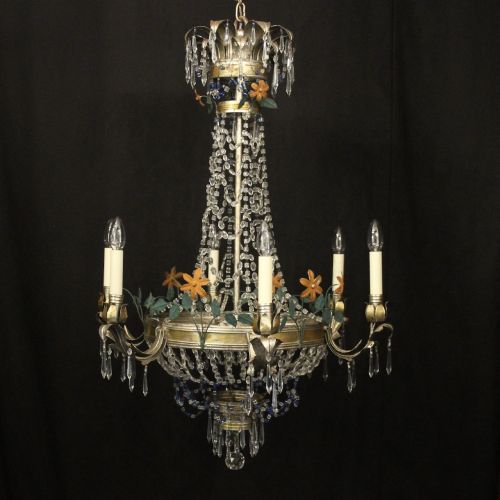
Buyers meet varied decorative vocabularies, including flying cherubs, leaf decorations, grape clusters, and beaded arms. Coloured crystals in amber, mauve, orange, and red appear alongside traditional clear cut glass and crystal prisms.
How they were made
Makers constructed the structural frames of these chandeliers using cast brass, gilt metal, wrought iron, and silver, forming arms and central cages to hold multiple lights. Gilded bronze and spelter also provided sturdy foundations for elaborate decorative elements.
The distinctive hanging elements rely on cut glass and crystal, shaped into prisms, spikes, teardrops, beads, fruits, and long oblong drips. Artisans wired these individual components onto the frames, creating tent-and-bag structures and cascading waterfall arrangements.
Current listings span periods from the 19th century up to 1930, utilising brass, crystal, gilt metal, and wrought iron.
What varies in quality
The distinction between tiers of quality rests in the density and cut of the crystal elements and the intricacy of the metalwork. Heavy cast brass, finely detailed gilt bronze, and substantial cut crystal command attention above lighter wire frames and simple pressed glass.
Complex configurations involving multiple tiers, extensive swags, and specialised ornamentation like coloured crystal fruits or figurative cherubs represent more ambitious manufacture than straightforward single-tier designs.
The Vintage Chandelier with Drops Glossary
- Crystal
- High-clarity lead glass shaped and faceted to maximise light refraction. It forms the primary material for the hanging drops and swags.
- Prism
- A geometric cut glass component designed to split light into spectral colours. These hang from the arms and frames of the fixtures.
- Tent and bag
- A specific construction style where strings of beads form a tent shape over a gathered bag of crystals below. This configuration defines many French Empire examples.
- Lustre
- A large hanging glass pendant attached to the chandelier arms. They catch and reflect ambient illumination across the space.
- Spelter
- A zinc alloy used as a base metal for cast decorative figures like cherubs. It frequently received a gilt or painted finish to resemble bronze.
Vintage Chandelier with Drops: Frequently Asked Questions
How do drops and prisms differ?
Drops refer to the general category of hanging glass ornaments, which include teardrops, fruits, and beads suspended from the frame. Prisms are specifically cut geometric pieces intended to refract light into distinct spectral colours.
Both elements work together to multiply the illumination from the central lights and create visual texture across the fixture.
What periods do these chandeliers span?
The available pieces predominantly date from the late nineteenth century through to the 1930s. This includes nineteenth-century French bronze examples and Edwardian cut glass fixtures.
The majority of the lighting dates from the 1920s and 1930s, showcasing varied international craftsmanship from French and Italian workshops.
How were coloured crystals utilised?
Makers incorporated coloured crystals in shades of amber, mauve, orange, red, and general multi-coloured glass to add decorative variety. These tinted elements appear as hanging fruits, grapes, teardrops, and individual crystal spikes.
Coloured drops contrast with clear crystal swags and brass or gilt metal frames to create distinct visual focal points.