



Vintage Champagne Holder
A vintage champagne holder keeps your bottles chilled in style, offering both practical utility and period elegance for your dining table or bar.
Vintage Champagne Holder
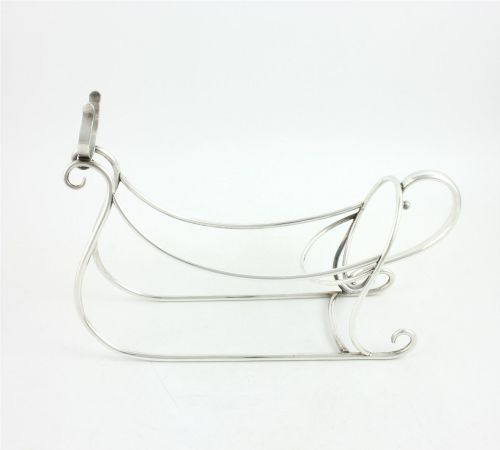
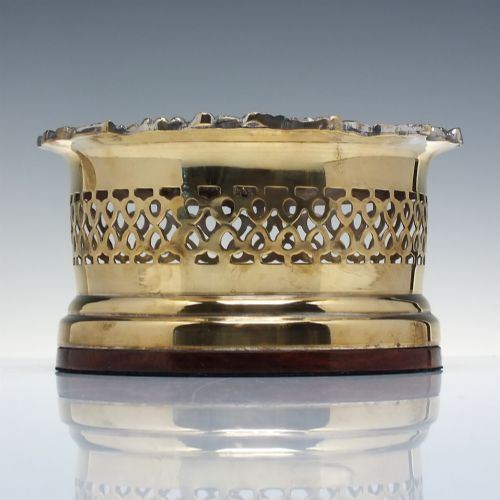
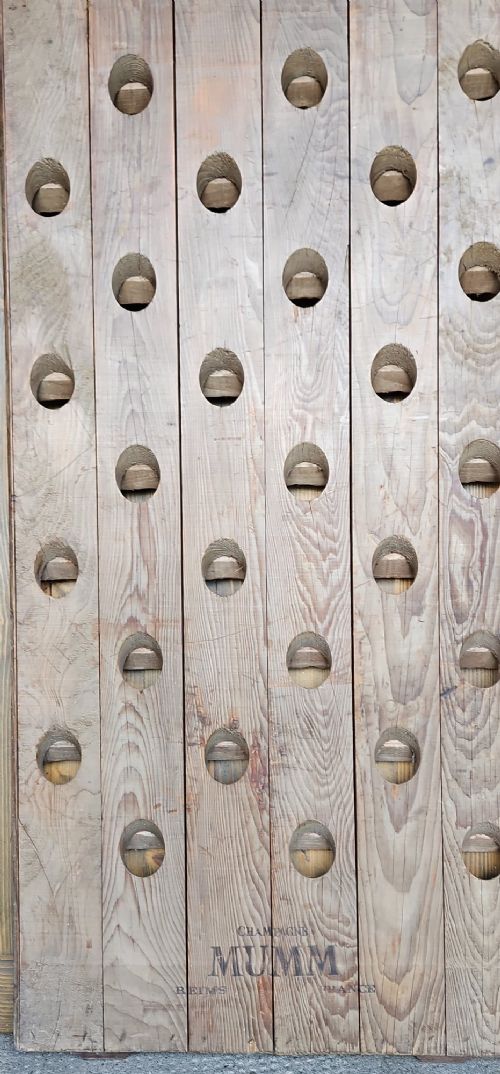
When you search for a vintage champagne holder, you encounter a diverse array of vessels designed to chill, cradle, or store bottles for the table and cellar. The selection spans grand Georgian mahogany wine coolers and Edwardian silver plated holders to French harvest baskets and robust coopering in oak.
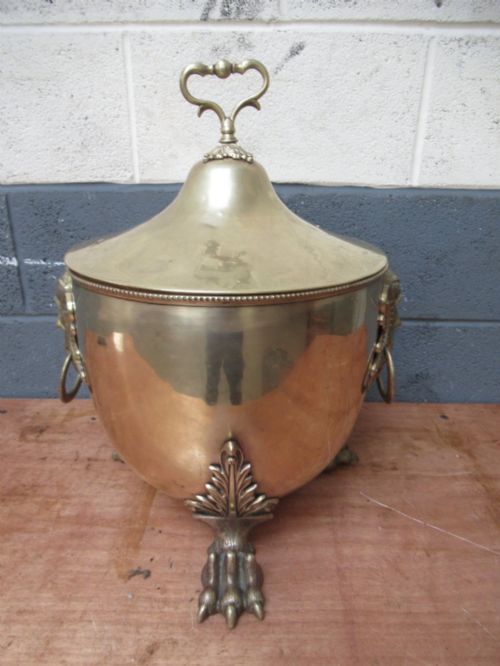
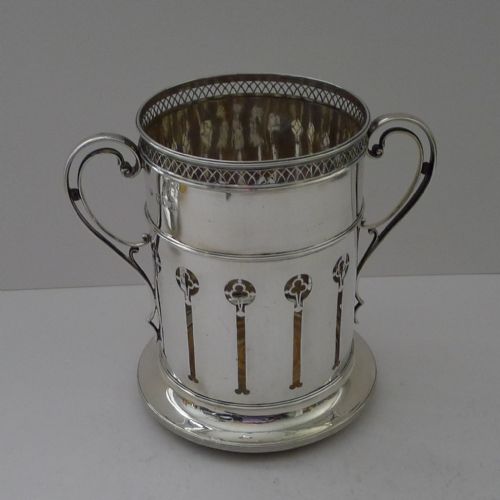
You are most likely to meet silver plated examples from the early twentieth century alongside brass decorative buckets and timber cradles. These objects range from single bottle coasters and magnum buckets to substantial racks capable of holding multiple bottles.
The forms originate from various traditional backgrounds, including French country designs, Regency styles, and traditional British barware. Each piece reflects the social habits of its period, whether intended for grand dining rooms or rustic country houses.
How they were made
Makers utilised traditional metalworking techniques to form silver plate and solid sterling silver, often incorporating cast decorative details such as grape and vine motifs. Brass and various base metals were beaten, spun, or cast to create durable decorative buckets and coolers.
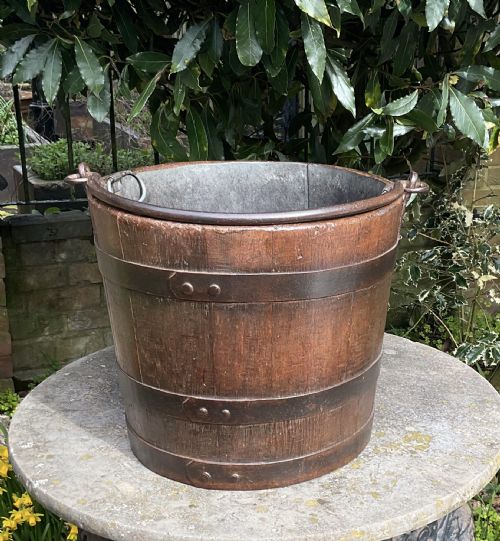
Woodworking craftsmanship is evident in pieces constructed from mahogany, pine, and coopered oak. Artisans employed timber bending, joinery, and coopering techniques with metal bands to produce sturdy bottle cradles, racks, and lined buckets.
Vintage Champagne Holder Retail Price Guide 2026
Typical asking prices for vintage champagne holder among the pieces listed under this phrase on Sellingantiques today, from the lower quarter to the upper quarter. They describe what is for sale here now, not the wider market.
Some French wine racks are built with lockable cage doors, suggesting that the household butler took cellar security rather seriously.
What varies in quality
The distinction between standard production items and finer examples rests upon the weight of the metal and the crispness of applied decorative motifs. Heavier gauge silver plate and solid sterling silver demonstrate superior material substance compared to lighter plated alternatives.
Joinery and structural integrity define the quality of wooden pieces, where tightly fitted staves in coopered oak or finely figured mahogany indicate high levels of workshop skill. Maker marks and stamps from established silversmiths further elevate the standing of a piece.
James Dixon & Sons·Christofle
The Vintage Champagne Holder Glossary
- Silver Plate
- A thin layer of silver fused to a base metal such as copper or Britannia metal. This technique provided the appearance of solid silver at a lower cost.
- Coopering
- The traditional craft of constructing wooden staves held together with hoops. This method was essential for making watertight buckets and casks.
- Magnum Bucket
- An oversized cooler built to accommodate larger champagne bottles. These vessels required thicker walls and greater internal capacity.
- Regency
- An architectural and decorative style spanning the early nineteenth century. It is known for classical revival forms and fine cabinet timbers.
Vintage Champagne Holder: Frequently Asked Questions
What is a champagne holder?
A champagne holder is a vessel or rack designed to chill, present, or store champagne bottles. These objects include buckets, coasters, cradles, and large storage cages.
They emerged from various eras to serve dining rooms, cellars, and social gatherings. Their construction prioritises both liquid containment and aesthetic presentation.
How do I clean silver plate?
Silver plated items require gentle cleaning with specialised silver polish and a soft cloth. Avoid abrasive materials that can wear away the thin silver layer.
Regular maintenance preserves the shine and protects the underlying base metal from corrosion. Proper storage away from damp environments also prevents tarnishing.
Were these used for wine?
Many items designed for champagne were historically interchangeable with wine coolers and decanter stands. The dimensions of standard and magnum bottles dictated the sizing of these vessels.
As a result, a holder intended for wine often accommodates champagne perfectly. Nineteenth and twentieth century dining customs frequently overlapped in bottle service.
How do I date a piece?
Dating relies upon stylistic markers, construction techniques, and any accompanying maker marks or hallmarks. Georgian and Regency pieces display distinct classical proportions, while Edwardian items often feature lighter ornamentation.
Silver pieces frequently carry date letters or manufacturer stamps that narrow the production window. Material choices, such as specific woods and plating methods, offer further chronological clues.