

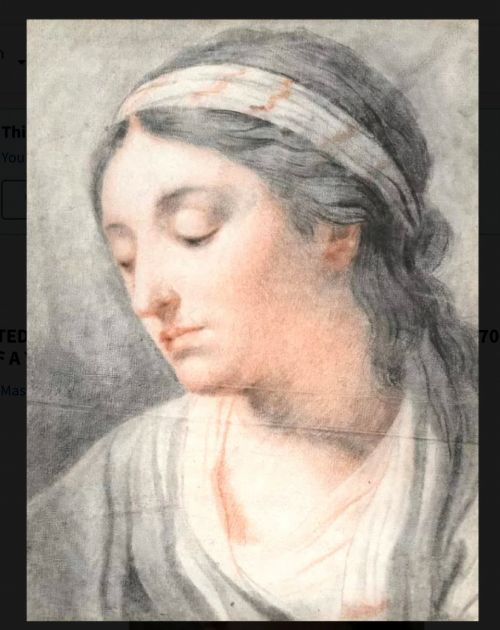


Vintage Chalk Drawing
These vintage chalk drawing works on paper capture character and movement with immediate, expressive line work.
Vintage Chalk Drawing
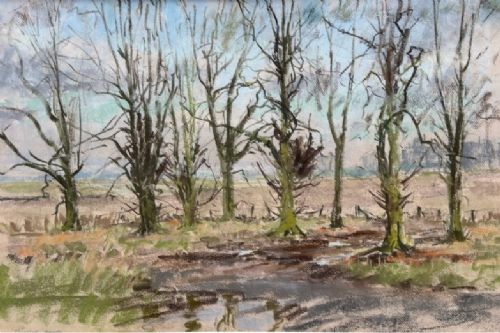
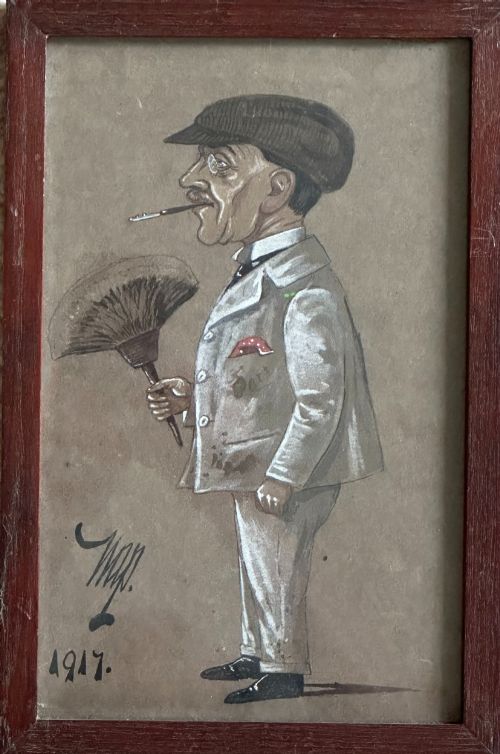
A vintage chalk drawing is an original artwork on paper, utilising soft dry media to build form, shadow and texture. You will find portrait drawings, figure studies, caricatures and animal scenes spanning from the eighteenth century through to the mid twentieth century.
The selection here encompasses various periods including Victorian, Edwardian, Art Deco and Modern British eras. Pieces appear framed in wood, glass and giltwood, ready to hang upon a wall.
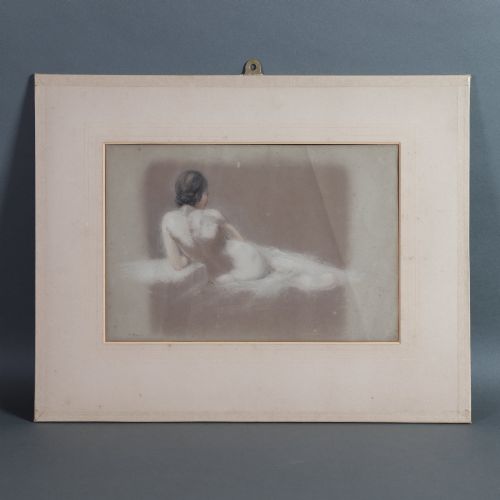
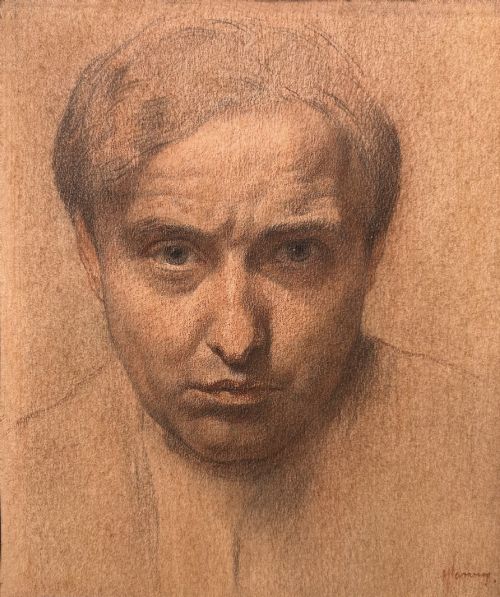
Portraits of women, men and children dominate the selections alongside figure studies of nudes and theatrical dancers. Artists employ chalk alongside charcoal, pastel, graphite and watercolour to render tone and depth.
How they were made
Artists create these works on paper using dry drawing media such as chalk, charcoal, pastel and graphite. Sanguine chalk provides warm reddish tones, while black chalk and charcoal establish deep shadows and bold outlines.
Mixed media compositions incorporate watercolour or gouache alongside the dry strokes. Works are mounted behind glass within wooden or gilded frames to protect the fragile powdery surface of the paper.
Vintage Chalk Drawing Retail Price Guide 2026
Typical asking prices for vintage chalk drawing among the pieces listed under this phrase on Sellingantiques today, from the lower quarter to the upper quarter. They describe what is for sale here now, not the wider market.
Several ladies are caught mid-daydream or posed as exotic dancers, proving that historical sitters possessed plenty of secret mischief.
What varies in quality
Quality rests upon the sureness of the hand and the anatomical precision or expressive power of the line. A master draughtsman captures likeness and gesture with sparse, confident strokes rather than hesitant alterations.
The survival of the paper sheet and the preservation of the delicate chalk pigment determine the enduring presence of the artwork. Evidence of named artists and documented provenance elevate the standing of a piece within the field.
William Etty·Herbert Johnson Harvey·François-André Vincent·Cecil Charles Windsor Aldin·Demetrios Galanis·Michael Lyne·Arthur Todd·Frank Dobson·Henry Bird·John Seymour Lucas·George Richmond·Leo Klin
The Vintage Chalk Drawing Glossary
- Chalk
- A soft mineral drawing material used to create opaque marks on paper. It provides rich matte tones that blend easily for shadow.
- Sanguine
- A reddish-brown chalk or crayon used extensively for portrait drawings and life studies. It yields warm flesh tones.
- Charcoal
- Burnished wood used to draw deep black lines and broad smudged shadows. It offers high contrast against pale paper sheets.
- Pastel
- A powdered pigment mixed with a binder and formed into a stick. It delivers vibrant colour alongside soft linear marks.
- Graphite
- A crystalline form of carbon used for fine grey linework and delicate shading. It produces precise details beneath or beside chalk.
Vintage Chalk Drawing: Frequently Asked Questions
What is a chalk drawing?
A chalk drawing is an original work of fine art executed on paper using dry mineral chalks, often combined with charcoal or pastel. Artists utilise these materials to capture rapid studies, portraits and figurative compositions.
These pieces rely on the friction of the pigment against the paper surface to build tone and texture. They are typically framed under glass for protection against smudging.
How should I frame these drawings?
These works on paper require framing behind glass to prevent the chalk and charcoal pigments from smudging or lifting. Conservation mounting ensures the paper does not touch the glass directly.
Wooden and giltwood frames complement the historic nature of these pieces. Keep them away from direct sunlight to prevent the paper from yellowing.
How do I date a chalk drawing?
Dating relies on stylistic evidence, artist signatures, framing materials and paper characteristics. Portrait clothing, hairstyles and artistic movements such as Art Deco or Romanticism provide clues to the era.
Many works bear inscriptions, dates or biographical details regarding the sitter or the artist. Comparative study against documented periods narrows down the creation year.
Where were these artworks displayed?
Historically, these drawings served as preliminary studies for larger oil paintings or stood alone as finished portraits for domestic interiors. They hung in private studies, drawing rooms and artist ateliers.
Today, they function as wall art for modern living spaces, offering historic character and intimate glimpses into past lives.