
Vintage Chain Bracelet
A vintage chain bracelet sits close to the wrist, bringing together weight, history and craftsmanship in gold and silver.
Vintage Chain Bracelet
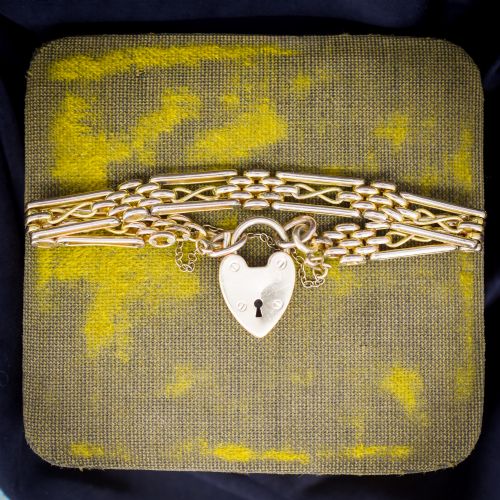
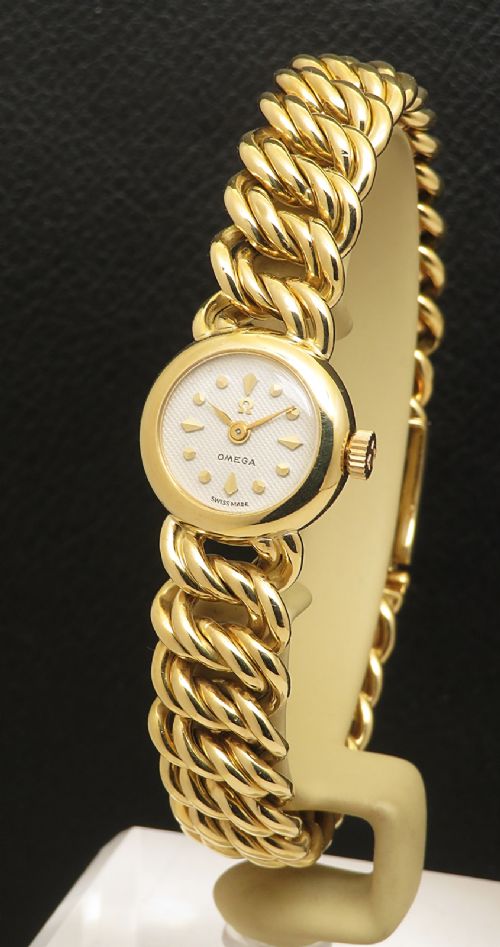
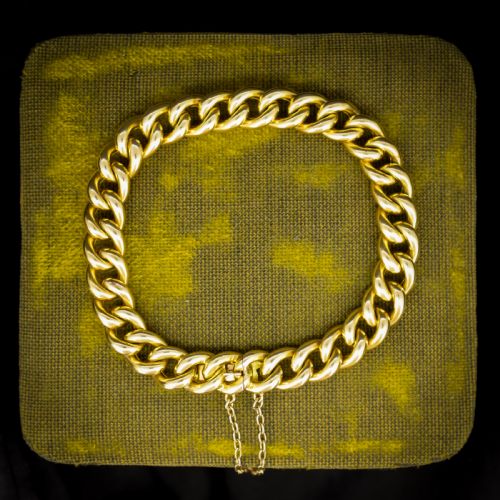
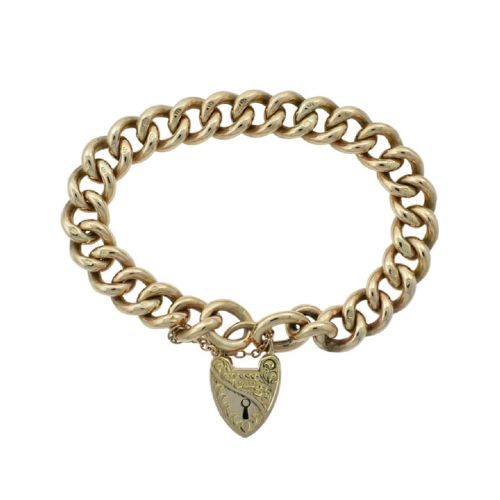
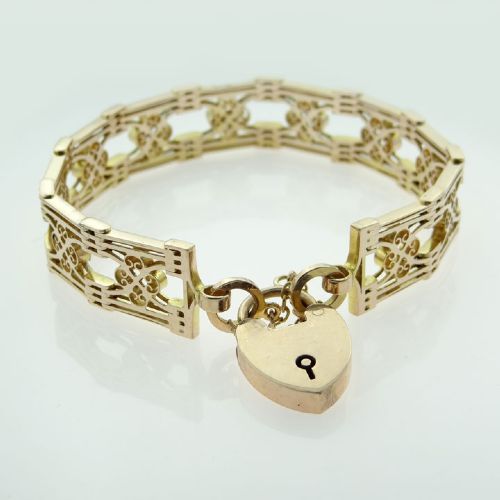
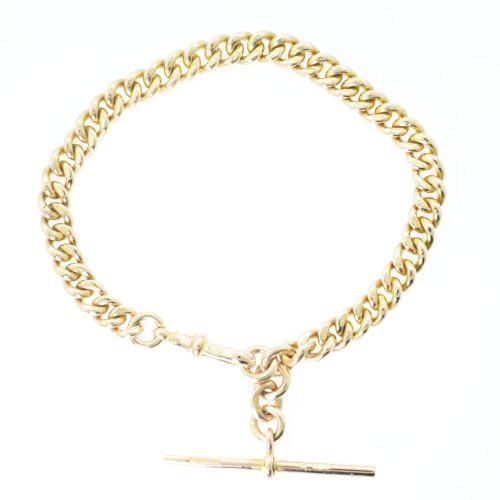
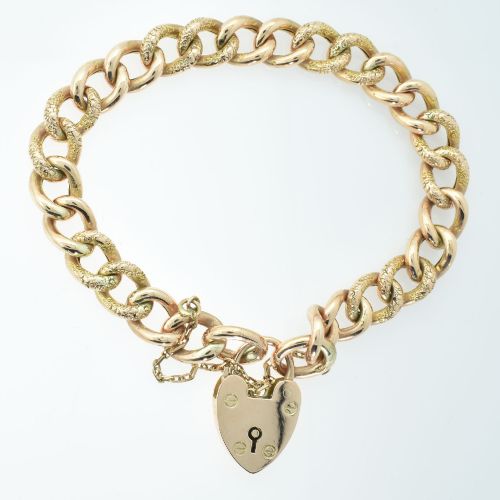
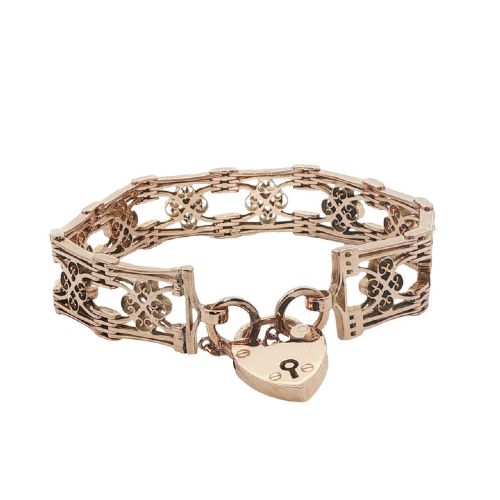
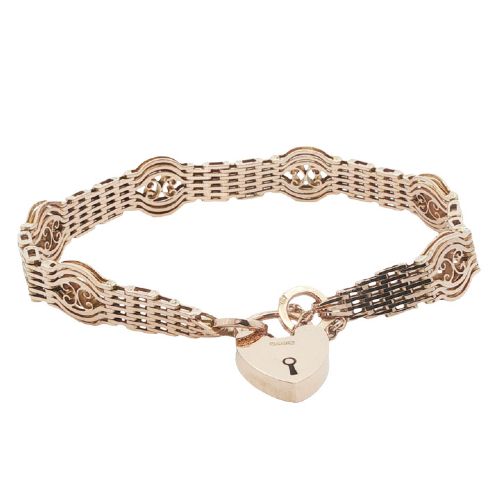
A vintage chain bracelet connects individual metal links to form a flexible band worn around the wrist. The pieces gathered here span from the Victorian and Edwardian eras through the mid-century decades, encompassing robust curb links, delicate gate patterns and hinged bangles.
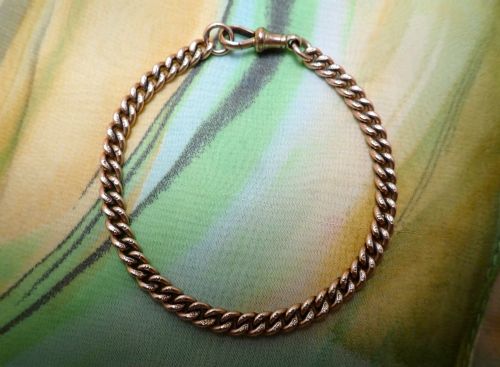
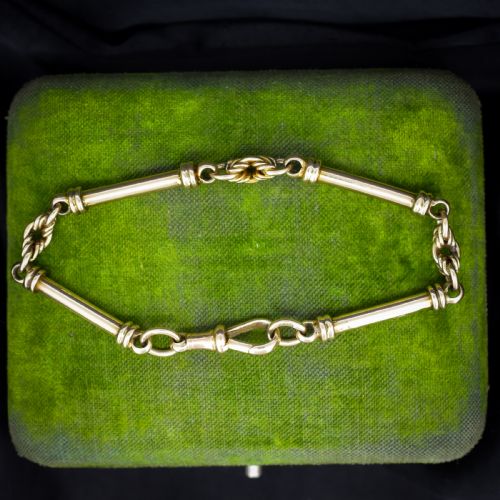
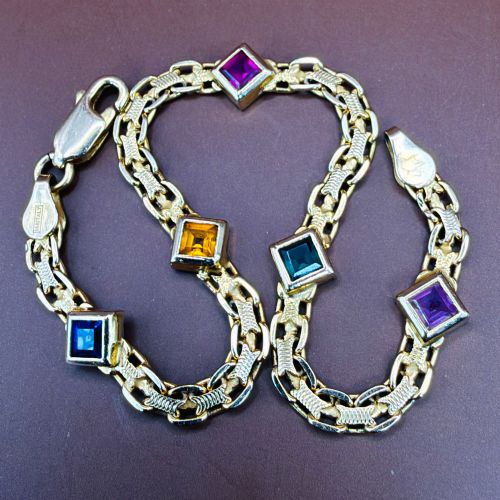
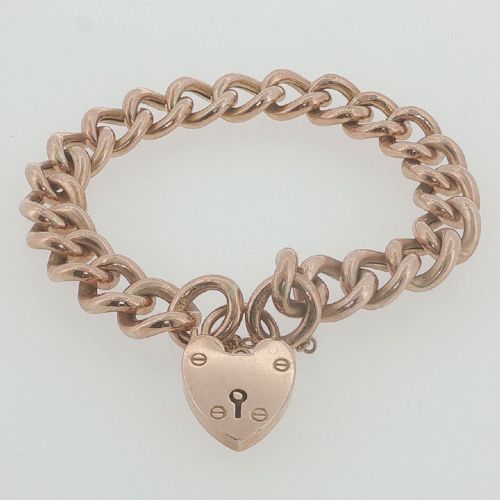
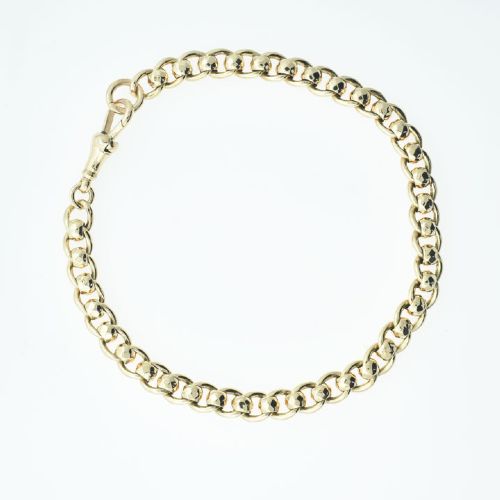
Most frequently, a buyer meets 9ct rose gold curb links fitted with heart padlocks, dog clips or T-bars derived from nineteenth-century pocket watch chains. Alongside these traditional British forms appear silver panel designs, gemstone accents and Scandinavian mid-century silver.
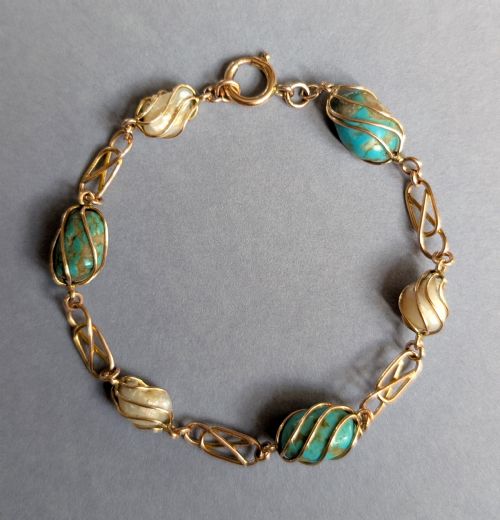
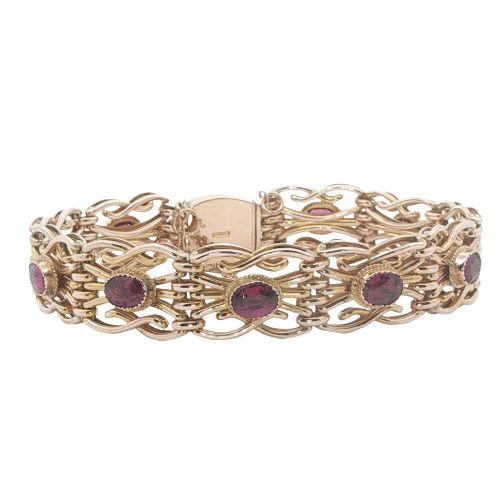
The selection ranges from heavy solid gold items weighing over twenty grams down to lighter everyday chains set with pearls, turquoise, garnets and diamonds. Each variation reflects the prevailing jewellery design of its decade, from ornate late Victorian work to clean mid-century modern lines.
How They Were Made
Gold and silver form the foundation of these pieces, utilised in solid 9ct, 15ct and 18ct yellow and rose varieties, alongside sterling silver and niello work. Smiths shaped these metals into hollow or solid links, tubular bars and hand-engraved bangles, securing them with specialised clasps like dog clips and concealed box closures.
Gemstones including diamonds, sapphires, zircons, moonstones, turquoise and almandine garnets appear flush-set or claw-set into links and panels. Enamel decoration and multi-gem princess cuts further illustrate the workshop techniques employed across British, European and Scandinavian production.
Listings feature 9ct rose gold, sterling silver, 18ct yellow gold, and platinum-alternative periods spanning from Victorian times through mid-century modern.
What Varies in Quality
The substance of the metal creates the primary distinction between pieces, separating solid gold and heavy silver from lighter hollow constructions or rolled gold alternatives. Gram weight, metal purity hallmarks and the structural integrity of individual links dictate longevity and wearability.
Hand engraving and decorative detailing define the artistry of the better examples, where crisp chasing, secure stone settings and intact original clasps demonstrate superior workshop execution. Maker marks and assay office stamps add provenance that elevates an ordinary link chain into a documented piece of period design.
Smith and Pepper·Georg Jensen·Walker and Hall·Topazio·Trifari
The Vintage Chain Bracelet Glossary
- Curb link
- A type of chain formed by interlocking flat, uniform links that lie completely flat against the wrist. This pattern provides exceptional flexibility and durability, making it a common choice for heavy watch chains.
- Dog clip
- A spring-loaded snap hook mechanism used as a fastener on watch chains and bracelets. It allows the wearer to attach charms, pendants or secure the bracelet to a loop.
- Gate bracelet
- A style featuring parallel rectangular metal bars connected by vertical links, resembling a small garden gate. This design gained immense popularity during the Victorian and Edwardian periods.
- Padlock clasp
- A heart-shaped or rectangular lock mechanism that functions as the primary closure for many antique charm and chain bracelets. They often open via a spring-loaded bail or internal latch.
- Hallmark
- An official stamp or series of marks applied to precious metals indicating purity, the assay office of origin and the year of manufacture. These small punches offer reliable clues to a piece's history.
Vintage Chain Bracelet: Frequently Asked Questions
How do I secure a padlock bracelet?
Many antique bracelets use a spring-loaded heart padlock that opens by pressing a small lever on the side of the body. The bail then hooks onto a designated jump ring or safety chain to keep the piece secure on the wrist.
For daily wear, ensure the internal spring retains enough tension to snap shut firmly. A jeweller can easily tighten loose mechanisms if the latch feels weak.
How do I date a gold chain bracelet?
Dating relies heavily on hallmarks stamped onto the metal, which denote specific assay offices and year letters. Stylistic clues such as the presence of a heart padlock or hand-engraved chasing also point toward the Victorian or Edwardian eras.
Mid-century pieces often feature cleaner geometric lines, minimalist silver panels or Scandinavian signatures that differentiate them from earlier nineteenth-century designs.
Can I wear my antique chain daily?
Solid gold and heavy silver chains stand up well to everyday wear provided the links and clasps remain thick and sturdy. Hollow gold or lightweight rolled gold pieces require more careful handling to avoid denting or snapping under pressure.
Checking the security of jump rings and dog clips periodically ensures your bracelet stays safely on your wrist during active daily use.