



Vintage Ceramic Inkstand
A vintage ceramic inkstand is a functional desk accessory that brings hand-painted pottery and porcelain into daily writing routines.
Vintage Ceramic Inkstand
Makers and regional potteries from English, French, and Dutch traditions populate the options. Buyers find everything from simple utilitarian blue and white pieces to elaborate items decorated with gold leaf.
Materials and construction
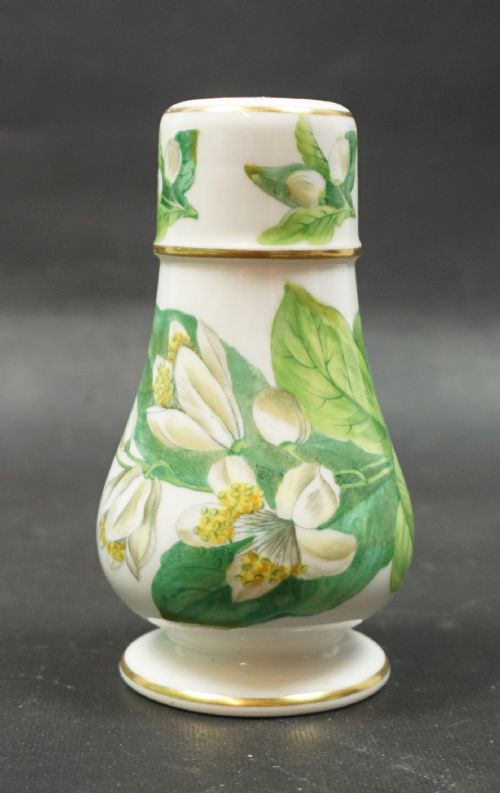
Potters shaped these objects using ceramic, porcelain, earthenware, and stoneware bodies, often applying tin-glazes or delicate painted surfaces. Blue and white pigments decorate many Dutch Delft and continental faience pieces, while others utilise hand-painted botanical motifs like lily of the valley.
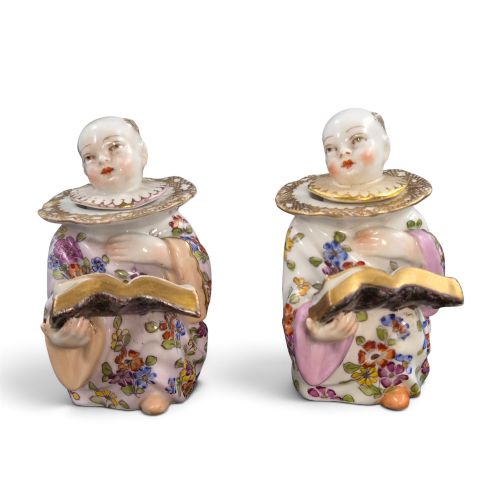
Metal components frequently integrate with the ceramics, combining brass bases or brass stands with porcelain wells. Gilding with gold leaf adds fine detailing to styles drawing on Sèvres or Chinoiserie traditions.
Vintage Ceramic Inkstand Retail Price Guide 2026
Typical asking prices for vintage ceramic inkstand among the pieces listed under this phrase on Sellingantiques today, from the lower quarter to the upper quarter. They describe what is for sale here now, not the wider market.
Assessing quality
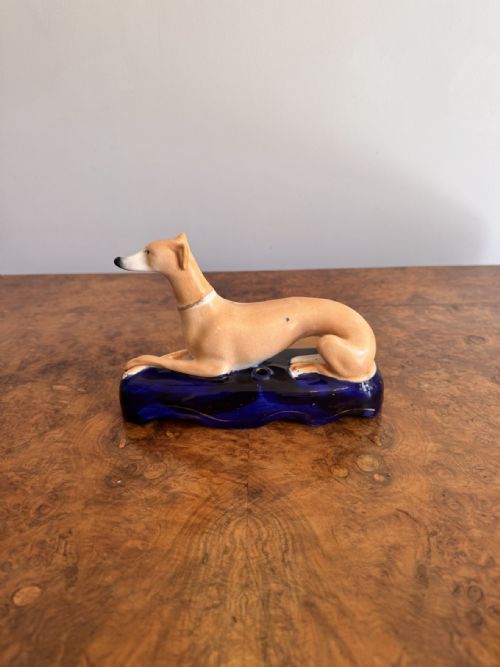
The distinction between standard utility items and finer display pieces rests upon the crispness of the moulding and the skill of the hand-painting. Superior examples display detailed figural modeling, such as the sculptural work on Staffordshire greyhounds or figural singing boy inkwells, rather than plain functional vessels.
Material refinement also dictates distinction, where translucent continental porcelain and carefully tin-glazed earthenware rise above basic stoneware. The inclusion of secondary elements like brass mounts and gold leaf accents elevates the overall execution of the desk stand.
Edmé Samson·Minton Porcelain·Meissen
The Vintage Ceramic Inkstand Glossary
- Inkstand
- A complete desk stand holding one or more inkwells alongside accessory containers such as pounce pots or pen holders.
- Pounce pot
- A small shaker container used to sprinkle powdered resin or cuttlefish bone onto freshly written paper to dry the ink.
- Faience
- Tin-glazed earthenware produced across continental Europe, particularly associated with traditional Dutch Delft production.
- Encrier
- The French term for an inkstand or inkwell, frequently applied to continental ceramic desk wares.
- Staffordshire
- Pottery and ceramic figures produced in the English county of Staffordshire, known for popular animal and human subjects.
Vintage Ceramic Inkstand: Frequently Asked Questions
What is the difference between an inkwell and an inkstand?
An inkwell is a single vessel designed specifically to hold liquid ink for a pen. An inkstand is a larger desk accessory base that incorporates the inkwell alongside other writing tools.
Many stands include fitted spaces for pounce pots, quill holders, or sand shakers to assist with historical writing tasks.
How do I care for a ceramic inkstand?
Keep ceramic and porcelain desk stands clean by dusting them gently with a dry, soft cloth. Avoid using harsh chemical cleaners, particularly on pieces with hand-painted glazes, tin-glaze surfaces, or gold leaf.
Protect any integrated brass bases from moisture to prevent tarnishing and discolouration near the ceramic body.
Where were these ceramic inkstands made?
The pieces originate from various European ceramic centres, with notable examples coming from English, French, and Dutch potteries. English workshops produced Staffordshire figures and pearl ware, while continental makers supplied porcelain and faience.
Stylistic influences span across Chinoiserie, Dutch Delft, and Rococo Revival aesthetic traditions.
How can I date a ceramic desk stand?
Dating relies on identifying the underlying ceramic body, glaze type, and stylistic traits associated with periods like the Victorian era or the nineteenth century. Hand-painted motifs, figural subjects, and manufacturer marks provide further clues.
Comparing the form and manufacturing technique to documented pieces helps narrow down the production decade.