





Vintage Ceramic Desk Accessory
These vintage ceramic desk accessory pieces range from 19th-century earthenware inkwells to Edwardian tile calendars, offering practical workrooms historic charm.
Vintage Ceramic Desk Accessory
A vintage ceramic desk accessory is typically an inkwell, inkstand, pounce pot, tile calendar or quill holder designed for historical writing desks.
The selections found here span periods from the early 19th century through the Edwardian era, with frequent examples from the Victorian years.
The most common forms on this page include Staffordshire figures, Dutch Delft stands, and blue and white ceramic inkwells often paired with brass bases.
How they were made
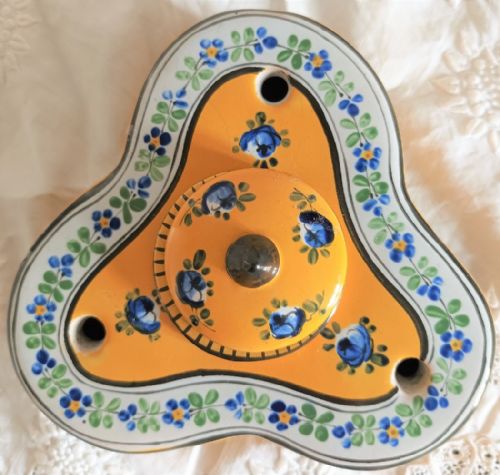
Makers shaped these pieces from earthenware, porcelain, stoneware and tin-glazed earthenware, applying detailed hand-painted blue and white or polychrome decoration.
Many items incorporate auxiliary materials such as brass mounts, gold leaf accents, and enamel finishes alongside the core ceramic bodies.
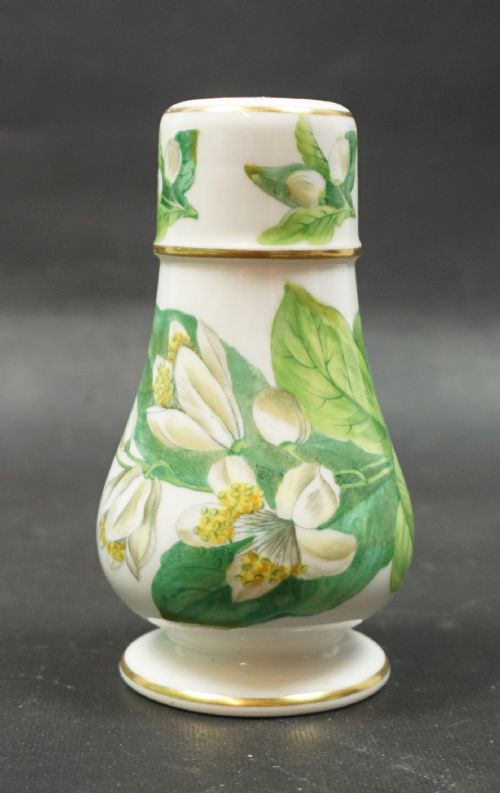
Potteries utilised traditional moulding and glazing techniques, seen in pearl ware pounces, faience encriers and glazed pottery inkstands.
Vintage Ceramic Desk Accessory Retail Price Guide 2026
Typical asking prices for vintage ceramic desk accessory among the pieces listed under this phrase on Sellingantiques today, from the lower quarter to the upper quarter. They describe what is for sale here now, not the wider market.
Listings feature 19th-century earthenware, porcelain, and stoneware, incorporating brass bases, gold leaf, and enamel.
What varies in quality
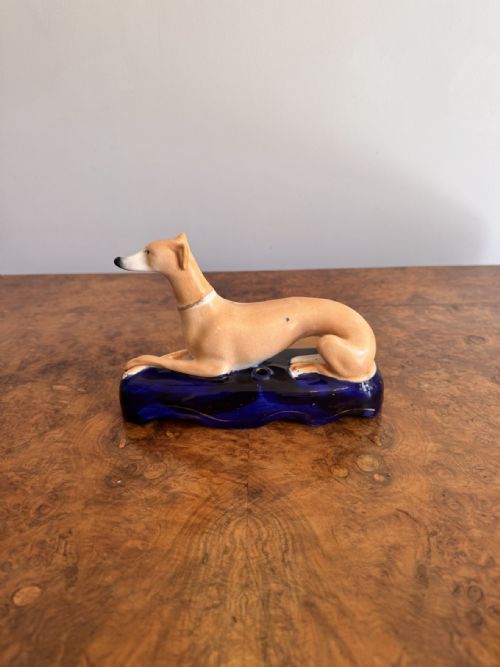
The refinement of the hand-painted brushwork distinguishes simpler utilitarian containers from finer figural studies like the Staffordshire greyhounds.
The integrity of secondary components, such as integrated brass bases and surviving enamel details, alters the visual balance of the piece.
The clarity of the glaze and the preservation of delicate mouldings dictate the overall distinction within each period.
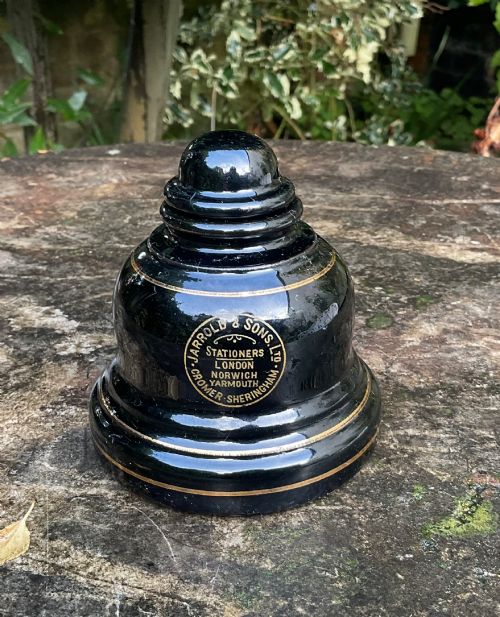
Edmé Samson·Minton Hollins·Meissen·Jarrold & Sons
The Vintage Ceramic Desk Accessory Glossary
- Inkwell
- A small jar or container for holding ink, placed on a desk for dipping pens. They appear here in ceramic, stoneware, and porcelain.
- Pounce pot
- A small shaker used to sprinkle resin powder over rough paper to prepare it for writing. This historic stationery tool prevents ink from feathering.
- Tin-glazed earthenware
- Pottery covered with a white tin-opacified glaze which provides a smooth surface for painting. Dutch Delft and faience pieces utilise this technique.
- Faience
- European tin-glazed earthenware, often decorated in blue and white. French and Dutch workshops produced these ornamental containers.
- Quill holder
- A desk accessory designed to rest writing quills when not in use. These often match figural inkstands.
Vintage Ceramic Desk Accessory: Frequently Asked Questions
What is a pounce pot used for?
A pounce pot held fine powder, often sand or cuttlefish bone, which writers sprinkled onto freshly inked paper to absorb excess moisture and speed drying.
In older writing setups, this prevented smudging before blotting paper became common.
How do I date a ceramic inkwell?
Dating relies on stylistic markers, such as Victorian Staffordshire modelling or Edwardian tile formats, alongside the type of glaze and body material.
Markings on the base, where present, also provide clues to the period of manufacture.
Are these desk accessories still functional?
While historic inkwells and inkstands were built for dip pens and liquid ink, modern use varies based on internal condition and lid seals.
Many collectors prefer to display them as decorative objects rather than active writing tools.
What distinguishes Delft from Staffordshire pieces?
Dutch Delft pieces feature tin-glazed earthenware with characteristic blue and white painting, often drawing on continental styles.
Victorian Staffordshire pieces focus on earthenware figures, such as greyhounds and novelty animals, modelled in regional English potteries.