

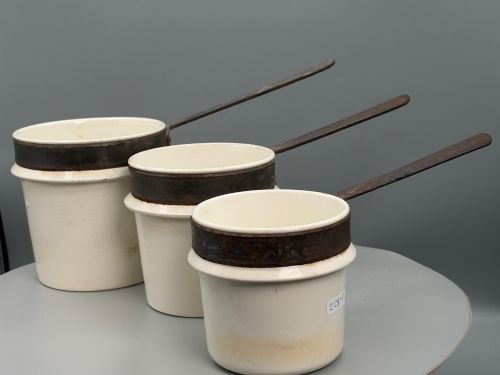
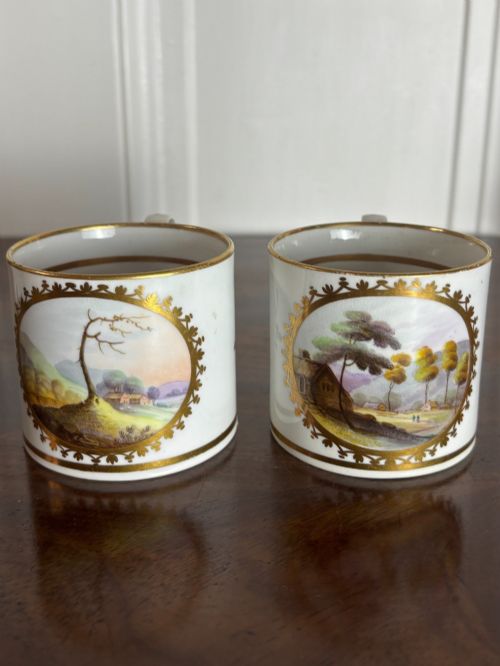
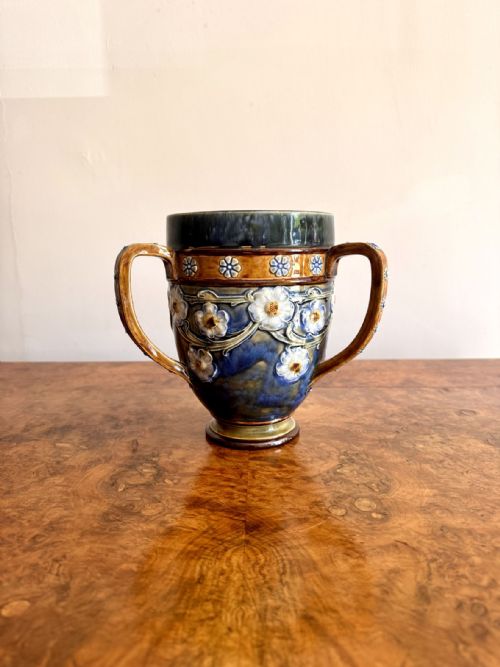
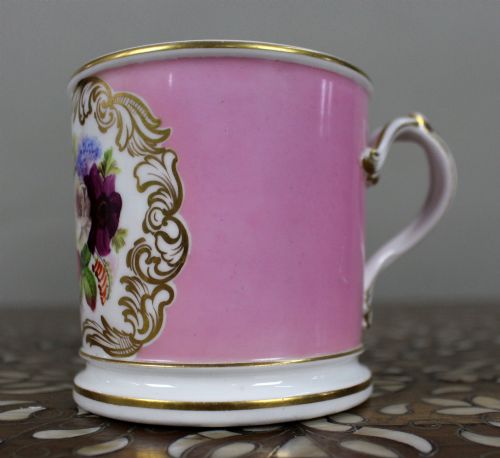
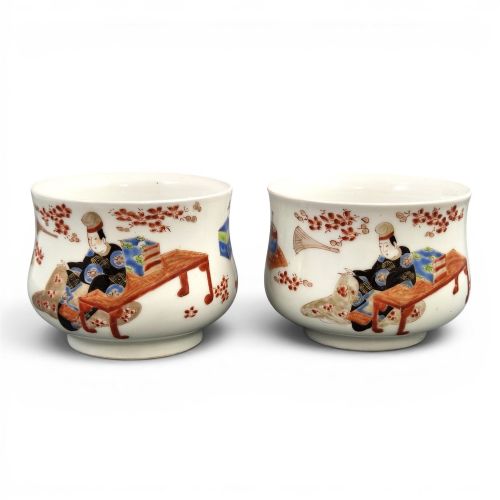


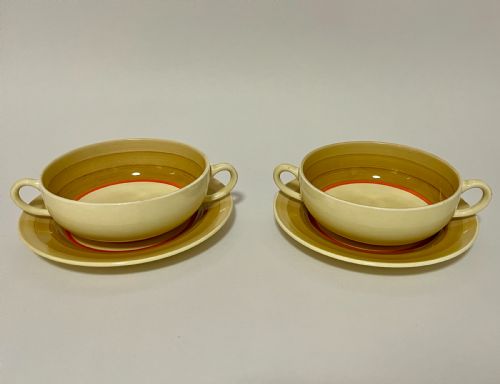
Vintage Ceramic Cup
A vintage ceramic cup brings tactile weight to daily tea, whether formed as a delicate Edwardian trio or a robust stoneware harvest vessel.
Vintage Ceramic Cup
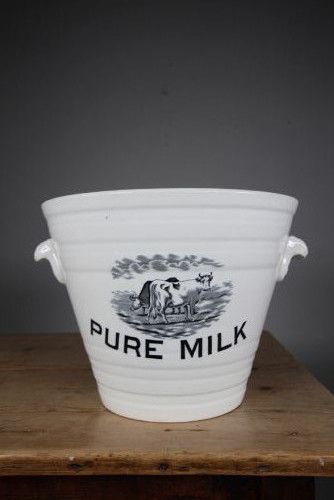
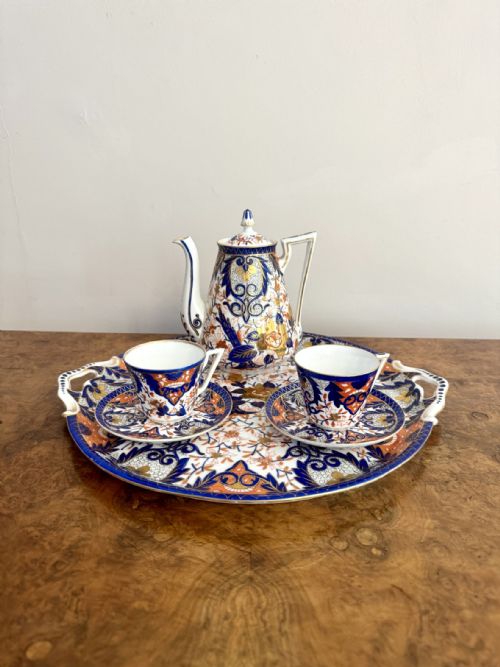
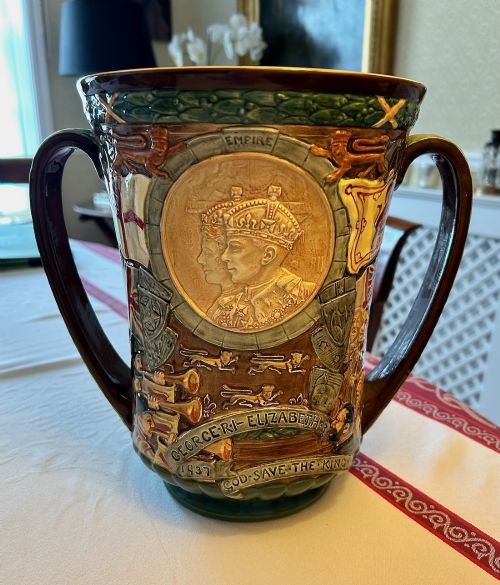
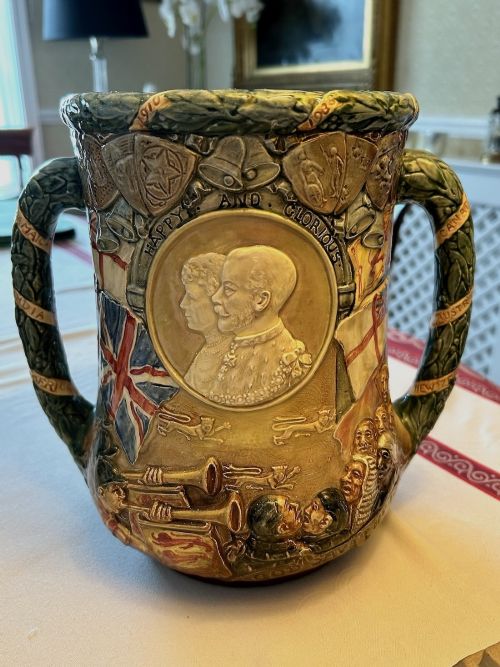
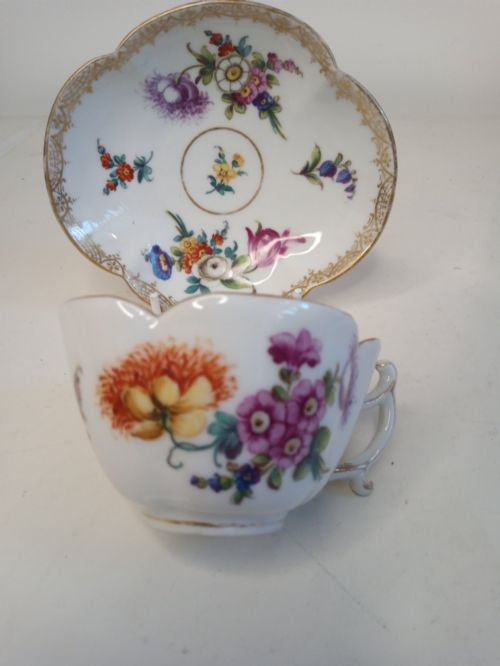
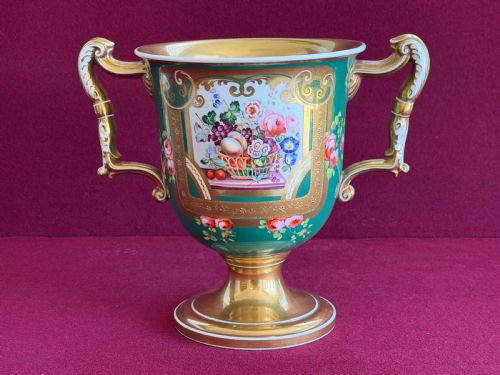
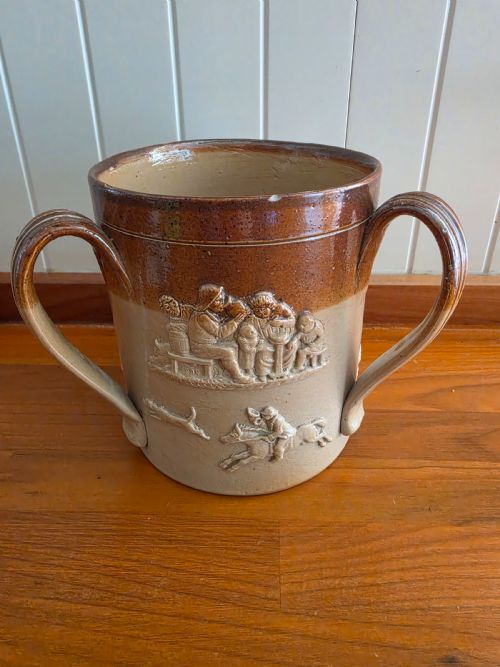
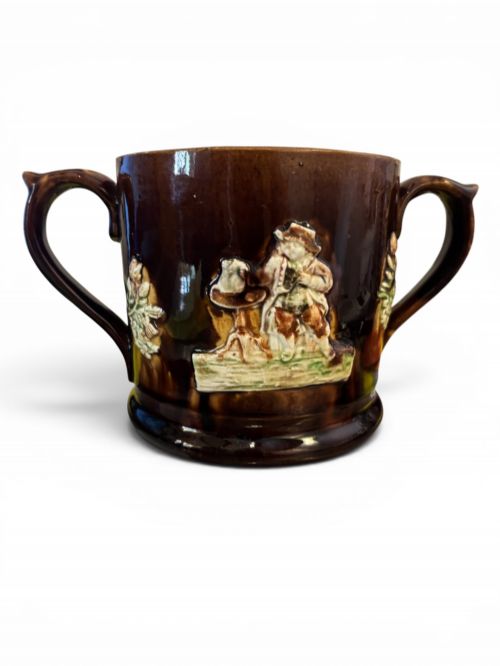
A vintage ceramic cup spans diverse domestic drinking vessels, including delicate teacups and saucers, morning coffee sets, and communal loving cups. These forms emerge across centuries of British and international pottery traditions, from Georgian sets to Art Deco services.
The version most commonly encountered on this page is the individual teacup and saucer or small breakfast mug, frequently accompanied by matching plates in porcelain or bone china. Alongside these domestic sets, sturdier earthenware tankards and commemorative loving cups appear from earlier periods.
Makers from various international origins contribute to the selection, spanning English potteries like Royal Doulton and Coalport, alongside Japanese Satsuma and Chinese export porcelain. Each piece reflects the aesthetic priorities of its decade of origin, from Victorian floral hand-painting to bold Art Deco geometries.
How they were made
Potters shaped these bodies using porcelain, bone china, earthenware, and ironstone, applying fluid glazes to seal the porous clay before kiln firing. Many vessels received hand-painted motifs or transfer-printed scenes beneath protective clear gloss layers.
Decoration often involved surface enrichments such as gold leaf gilding, silver rims, and applied ceramic figures or relief elements. Some pieces utilised specialised lustre finishes or transfer-printed poems alongside pictorial reserves.
Vintage Ceramic Cup Retail Price Guide 2026
Typical asking prices for vintage ceramic cup among the pieces listed under this phrase on Sellingantiques today, from the lower quarter to the upper quarter. They describe what is for sale here now, not the wider market.
Listings feature pieces from the 18th Century through the 1960s, spanning porcelain, bone china, earthenware, and ironstone.
What varies in quality
The finesse of the ceramic body and the precision of the hand-painted brushwork dictate the standing of a vessel, distinguishing standard production ware from superior studio output. Intricate ground colours, such as rose pink or blush ivory, require exceptional kiln control.
The application of precious metals like gold leaf or silver rims indicates the original grade of the piece, alongside the crispness of moulded relief details like applied figures or handles.
Royal Doulton·Clarice Cliff·Royal Worcester·Coalport·Wedgwood
The Vintage Ceramic Cup Glossary
- Bone china
- A type of soft-paste porcelain containing bone ash, yielding a durable, milky body that allows for thin-walled vessel construction.
- Loving cup
- A large drinking vessel featuring two or three handles, designed to be passed between guests at communal gatherings.
- Ironstone
- A heavy, vitrified earthenware developed in the nineteenth century to imitate Chinese porcelain while offering high durability for domestic use.
- Transferware
- Pottery decorated by applying a paper print from an engraved copper plate onto the unglazed or bisque ceramic surface.
Vintage Ceramic Cup: Frequently Asked Questions
What is a frog mug?
A frog mug is a drinking vessel featuring a small ceramic frog modelled inside the base, designed to surprise the drinker as the liquid empties.
These novelty items were popular in eighteenth and nineteenth-century taverns for drinking ale.
How do I date a ceramic cup?
Dating relies on identifying backstamps, decorative styles, and material types such as bone china or ironstone.
Pictorial themes, such as coronation jubilees or specific manufacturing marks, provide precise production years.
Can I use antique cups daily?
Many sturdy earthenware and bone china cups remain functional, though fragile gilded surfaces require hand washing.
Items featuring delicate hand-painted enamels or silver rims are better reserved for display or careful occasional use.
What is a tea trio?
A tea trio consists of a matching teacup, saucer, and side plate intended for individual afternoon tea service.
This format gained popularity during the Victorian and Edwardian periods as domestic tea consumption expanded.