




Vintage Ceramic Bust
These vintage ceramic bust pieces bring striking sculpted form into a room, capturing character and period style from the nineteenth and twentieth centuries.
Vintage Ceramic Bust
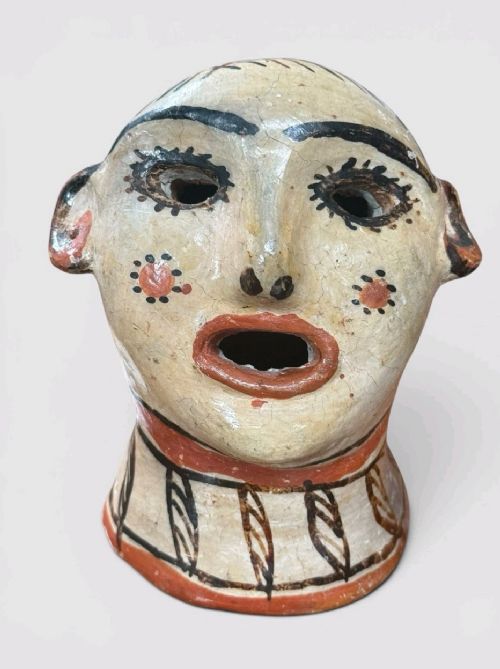
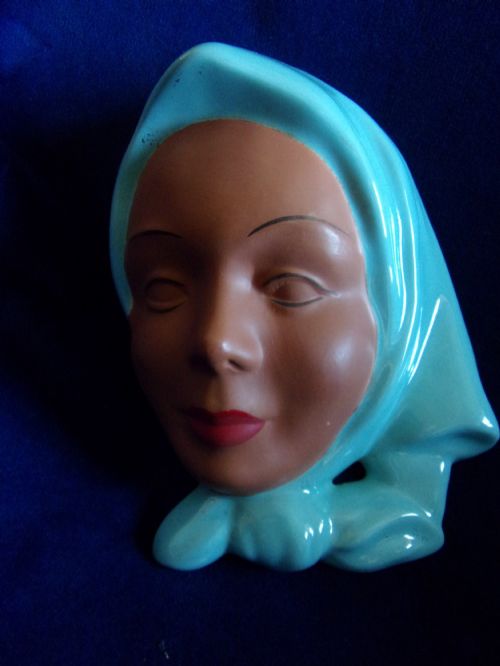
A vintage ceramic bust presents sculpted portrayals of human heads and shoulders, rendered in materials spanning terracotta, porcelain, and earthenware. When exploring a vintage ceramic bust, you encounter works ranging from classical female figures to distinct folk art tribal pieces.
The selections span distinct periods including the nineteenth century, Art Nouveau, and Art Deco eras. You are most likely to meet terracotta and ceramic interpretations originating from French, Austrian, and Italian workshops dating around nineteen thirty.
How they were made
Makers shaped these sculptures using terracotta, clay, and porcelain, often finishing surfaces with applied paint, glaze, or slip pigment. Many pieces rely on the natural warmth of fired clay enhanced by bronzed or painted patination.
Moulding and hand-finishing allowed artists to achieve fine detail in hair, drapery, and facial expression. Sculptors utilised traditional ceramic techniques to create both freestanding busts and wall-mounted masques.
Vintage Ceramic Bust Retail Price Guide 2026
Typical asking prices for vintage ceramic bust among the pieces listed under this phrase on Sellingantiques today, from the lower quarter to the upper quarter. They describe what is for sale here now, not the wider market.
Some elegant ladies served a practical purpose on vanity tables, doubling as charming powder puff holders and sewing cushions.
What varies in quality
The distinction between standard commercial figures and superior works lies in the crispness of the modelling and the sensitivity of the hand-finishing. Master modellers achieved subtle anatomical transitions and expressive lifelike gazes that elevate a simple clay form.
Surface treatment also determines distinction, where masterfully applied glazes, slips, or bronzed patinas enhance the sculptural depth rather than masking the underlying material. Signed works by recognised sculptors carry greater artistic distinction.
Gilbert Privat·Ernst Whaliss·Georges Morin·Fasold & Stuach·William Goebel·Bohumil Rezl
The Vintage Ceramic Bust Glossary
- Terracotta
- A porous reddish-brown earthenware clay that is fired and frequently left unglazed to showcase its natural matte texture.
- Wall Masque
- A decorative sculptural face designed specifically for hanging flat against a wall rather than standing independently.
- Pin Cushion Doll
- A small porcelain upper torso or head originally manufactured to sit atop a fabric sewing cushion during the early twentieth century.
- Slip Pigment
- Liquid clay mixed with colouring minerals applied to the surface of a sculpture before firing to add colour and detail.
Vintage Ceramic Bust: Frequently Asked Questions
Where were these busts displayed?
These sculptures were designed as decorative interior objects for domestic spaces, drawing rooms, and studies during the nineteenth and twentieth centuries.
Wall masques were hung directly on walls, while freestanding terracotta busts and figurines occupied mantelpieces, tables, and pedestals.
What is a pin cushion doll?
A pin cushion doll consists of a ceramic upper body or head attached to a fabric base used historically for holding sewing pins.
These whimsical pieces often depict fashionable women of the early twentieth century and were produced by specialised porcelain factories.
How do I care for terracotta?
Terracotta is a porous fired clay material that benefits from gentle dusting with a dry, soft cloth to prevent dirt accumulation.
Keep these sculptures away from excessive moisture and harsh cleaning chemicals to preserve the original surface finish and patination.