




Vintage Ceiling Rose
These vintage ceiling rose fixtures anchor your lighting scheme, offering authentic period detail from the Victorian, Edwardian, and Art Deco eras.
Vintage Ceiling Rose
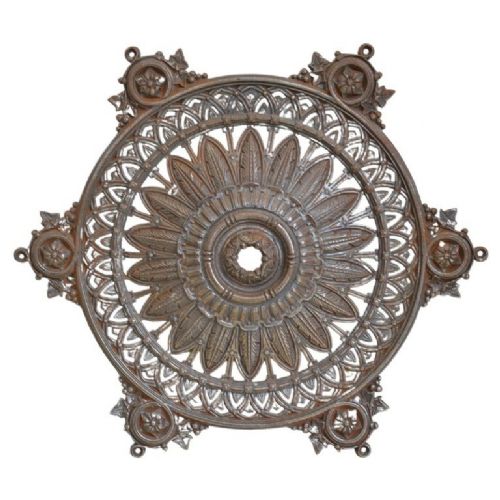
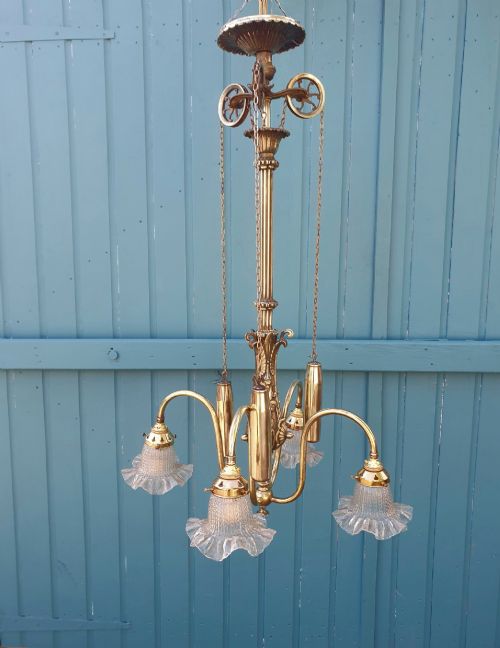
A vintage ceiling rose provides the decorative plaster or metal centrepiece mounted on the ceiling to frame a light pendant or chandelier. The selection ranges from robust cast iron and cast brass plates to intricate glass designs.
Victorian cast brass and cast iron examples frequently feature detailed botanical motifs such as feather and ivy decoration. Edwardian and later 1930s pieces incorporate pressed satin glass or simpler architectural salvage forms.
Buyers seeking this phrase encounter architectural hardware and complete ceiling light assemblies dating from the eighteenth century through to the interwar period. The inventory bridges structural salvage and decorative lighting hardware.
How they were made
Metal components utilise traditional foundry methods, resulting in heavy cast iron, cast brass, and polished bronze castings. Makers shaped these metals to form durable architectural mounting plates with integrated hooks or central apertures.
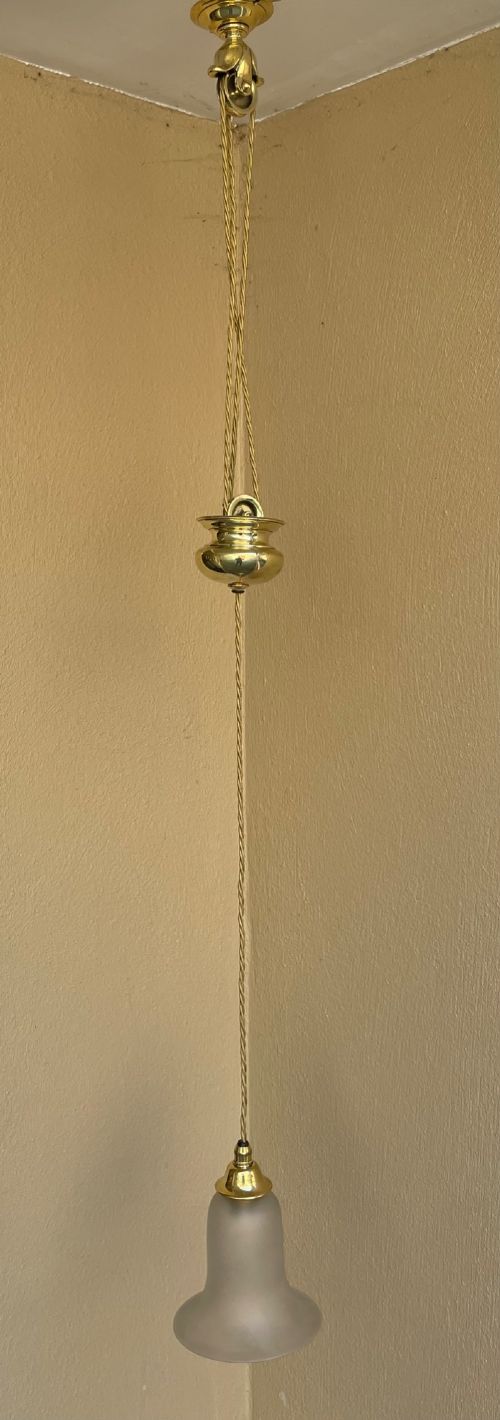
Glass elements rely on pressing and cutting techniques, producing textured surfaces seen in pressed satin glass or cut glass pendants. Fabric cables often accompany these assemblies, pairing historical metalwork with period-appropriate wiring components.
Vintage Ceiling Rose Retail Price Guide 2026
Typical asking prices for vintage ceiling rose among the pieces listed under this phrase on Sellingantiques today, from the lower quarter to the upper quarter. They describe what is for sale here now, not the wider market.
Some Victorian iron roses come decorated with feathers and ivy, bringing a touch of the hedgerow straight to the ceiling.
What varies in quality
The definition and depth of the casting separate standard hardware from superior examples. Crisp detailing in botanical motifs, such as feather and ivy patterns, indicates careful pattern-making and finishing.
Material choice and weight distinguish heavy cast brass and polished bronze from lighter painted metal alternatives. The integrity of the original glass or metal surface determines the overall architectural presence.
Osler
The Vintage Ceiling Rose Glossary
- Ceilings rose
- A decorative ornamental moulding fixed to the ceiling from which a chandelier or pendant light is suspended. They protect the ceiling and provide an aesthetic focal point above the light fitting.
- Architectural salvage
- Building materials and decorative elements rescued from older properties before demolition or renovation. This category includes metal ceiling roses, carved panels, and salvaged lighting hardware.
- Rise and fall
- A mechanical pulley system allowing a pendant light or chandelier to be adjusted vertically. This mechanism was popular in Edwardian interiors for altering the height of illumination.
- Cast brass
- An alloy poured into a mould to create rigid, durable metal fixtures. It forms the basis of many Victorian and Edwardian ceiling roses and light fittings.
- Pressed satin glass
- Glass shaped in a metal mould with a frosted, matte finish often utilised in Art Deco lighting designs. It diffuses light softly across interiors.
Vintage Ceiling Rose: Frequently Asked Questions
How do I install a heavy cast metal ceiling rose?
Heavy cast iron and brass pieces require secure fixing into ceiling joists or adequate nogging using appropriate structural screws. Because of the substantial weight of cast metal and bronze items, professional installation ensures safety.
Wiring must be routed through the central aperture before final mounting. Ensure the weight is supported independently of the electrical junction box.
What periods do these ceiling roses date from?
The available selection spans from the eighteenth century up to the 1930s. Victorian and Edwardian examples represent the majority of cast metal and rise and fall lighting combinations.
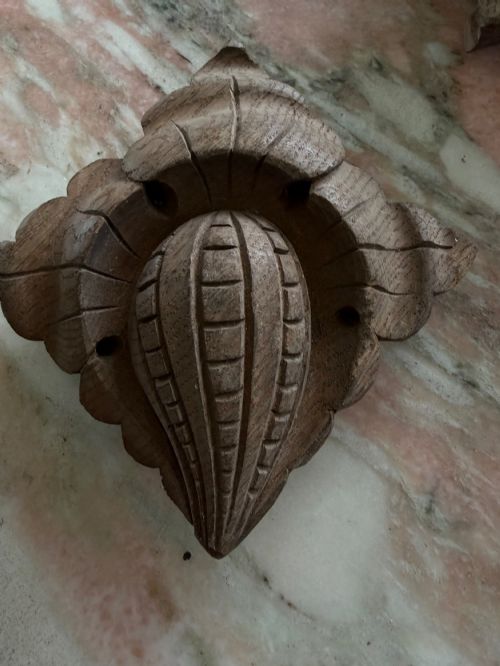
Earlier eighteenth-century pieces often appear as carved oak panels rather than cast metal. Art Deco examples introduce pressed satin glass into the lighting forms.
How do I clean polished bronze and brass?
Polished bronze and cast brass components benefit from gentle dusting with a soft dry cloth. Avoid harsh chemical cleaners that strip historical patina from older metalwork.
Preserving the natural surface oxidation maintains the authentic character of nineteenth-century hardware. Specialist metal balms can protect the finish without altering the aged appearance.
Can I use these with modern electrical wiring?
Most vintage fittings accommodate modern electrical standards when installed by a qualified electrician. Fabric cables and brass fittings integrate securely with contemporary domestic circuits.
Original hardware often requires rewiring to meet current safety regulations. Consult a professional to check internal connections before mounting.