




Vintage Ceiling Rose Light
These vintage ceiling rose light fixtures combine period charm and domestic illumination, offering buyers characterful hardware for traditional interiors.
Vintage Ceiling Rose Light
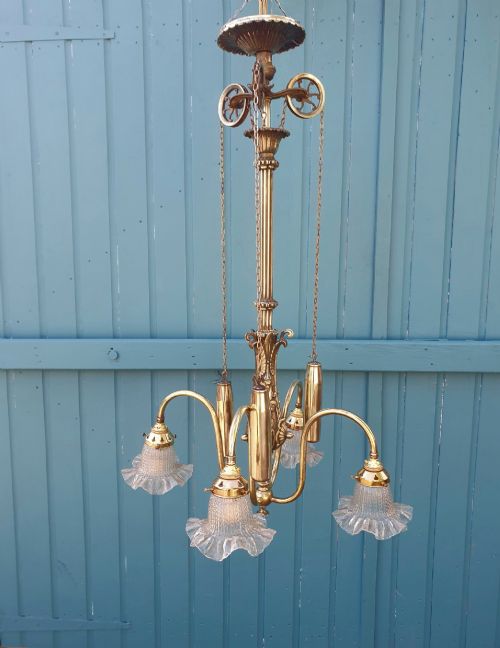
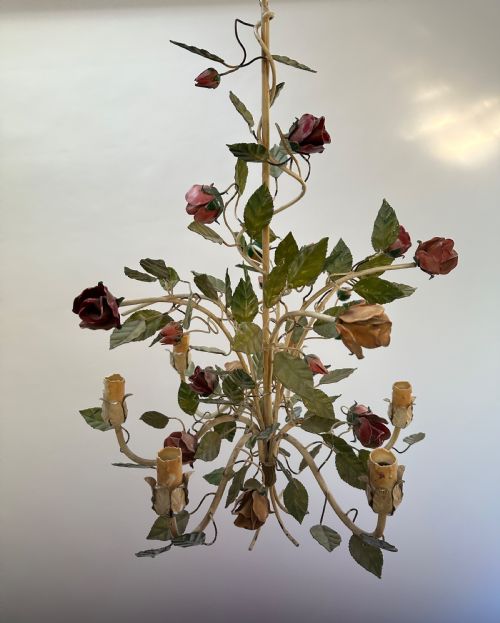
When you search for vintage ceiling rose light, you are looking at architectural hardware and fittings designed to mount fixtures directly onto a ceiling. The selections on this page span the Victorian, Edwardian, and Art Deco periods, encompassing the 19th century and the 1930s. Most items encountered here take the form of ceiling roses, pendant lights, rise and fall chandeliers, and architectural salvage hardware.
Buyers are most likely to meet Edwardian rise and fall brass chandeliers and Victorian cast brass or glass ceiling roses on this page. These pieces serve practical lighting functions while retaining their original period decorative details.
How they were made
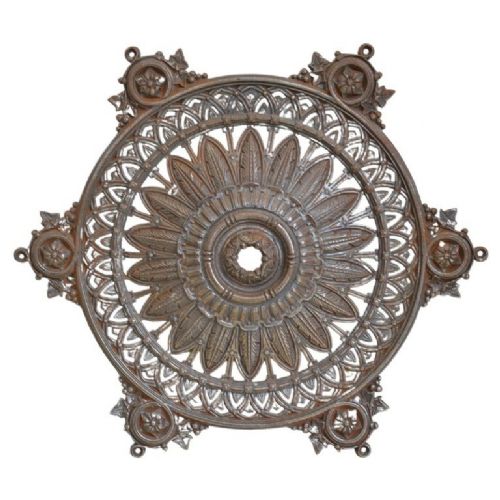
Makers utilised casting techniques for brass and iron components, producing ornamental details like ivy and feather motifs on ceiling roses. Cast brass and cast iron provide heavy, rigid foundations for these fittings, while wrought iron offers alternative structural support.
Glass components involve cutting and pressing techniques, seen clearly in cut glass pendants and pressed satin glass shades. Fabric cable supplies the flexible hanging mechanism for rise and fall pendant lights and chandeliers.
Vintage Ceiling Rose Light Retail Price Guide 2026
Typical asking prices for vintage ceiling rose light among the pieces listed under this phrase on Sellingantiques today, from the lower quarter to the upper quarter. They describe what is for sale here now, not the wider market.
Materials documented across the inventory include brass, cast iron, wrought iron, cut glass, and fabric cable.
What varies in quality
The standard of metalwork distinguishes superior examples from simpler utilitarian hardware, particularly in the crispness of cast decoration. Pierced or heavily chased brass elements and finely detailed iron foliage demonstrate greater artisanal input than plain cast discs.
Glass selection introduces another tier of distinction, moving from standard pressed panes to deep hand-cut crystal and satin finishes. The complexity of the mechanism, such as a smoothly operating rise and fall pulley system, marks the upper end of domestic lighting production.
Osler
The Vintage Ceiling Rose Light Glossary
- Rise and fall pendant
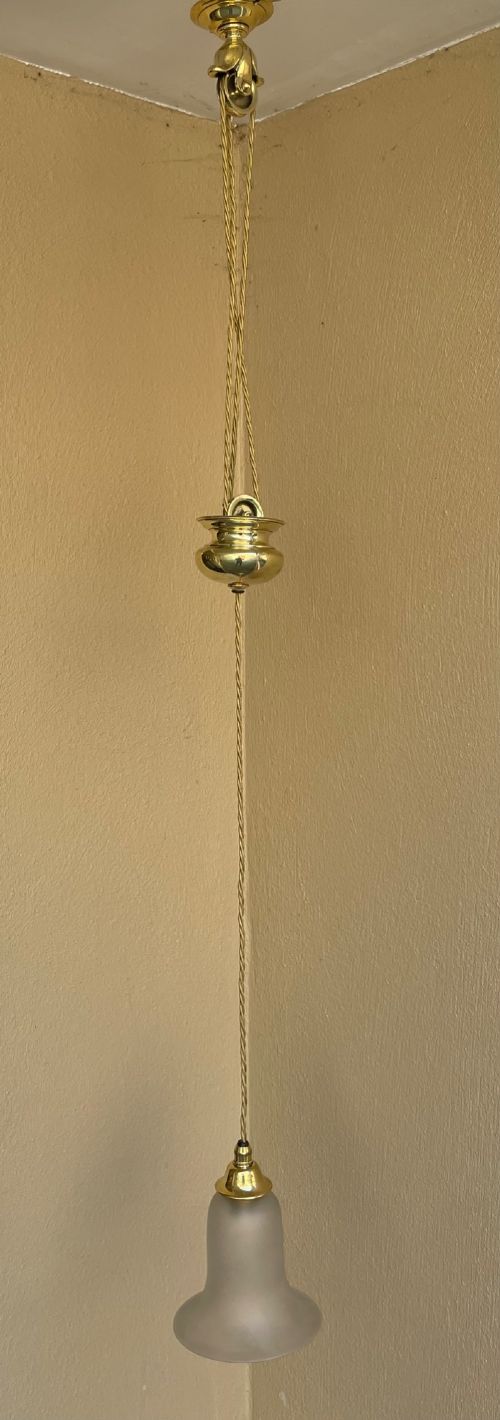
- A light fixture suspended on a weighted pulley system that allows the height of the shade to be adjusted manually. This mechanism is frequently found in Edwardian brass fittings.
- Ceiling rose
- An ornamental plaster or metal disc fixed to the ceiling around the point where a pendant cord emerges. Metal examples in cast brass and iron form a core part of this selection.
- Pressed satin glass
- Glass shaped in a mould with an acid-treated or frosted surface finish that diffuses light softly. It is characteristic of Art Deco lighting design.
- Architectural salvage
- Building components and hardware rescued from older properties for reuse in modern interiors. This category includes metal roses and specialised lighting hardware.
- Cast brass
- An alloy poured into a mould to create solid, decorative hardware components. It provides durability and a distinct metallic sheen seen across Victorian and Edwardian pieces.
Vintage Ceiling Rose Light: Frequently Asked Questions
What is a vintage ceiling rose light?
A vintage ceiling rose light refers to historical lighting fixtures and decorative mounting plates that secure pendant lights or chandeliers to a room's ceiling. These pieces combine functional electrical hardware with period ornamentation.
They originate from eras such as the Victorian and Edwardian periods, utilising materials like brass, iron, and cut glass to anchor interior lighting schemes.
How do rise and fall lights work?
Rise and fall lights operate via a counterweight or pulley mechanism hidden within the suspension cord or arms. This allows the user to pull the light fixture down closer to a table or push it up toward the ceiling.
This design was particularly popular during the Edwardian era for dining rooms and parlours where adjustable illumination was required.
What materials were used in these lights?
Manufacturers relied heavily on metals such as cast brass, wrought iron, and cast iron for the structural roses and chandelier frames. These metals were often polished or left in their natural state.
Glass also plays a major role, appearing as heavy cut glass pendants or pressed satin glass shades, frequently complemented by period fabric cable.
How do I date a ceiling rose?
Dating a ceiling rose involves examining the casting style, decorative motifs, and primary metal composition. Victorian pieces often display naturalistic motifs like ivy and feathers in heavy cast brass or iron.
Later Edwardian and Art Deco examples shift toward simpler geometric forms, pressed satin glass, or specialised brass mechanisms like rise and fall pendants.