

Vintage Ceiling Pendant Light
A vintage ceiling pendant light provides focused illumination while anchoring a room with period metalwork and glass.
Vintage Ceiling Pendant Light
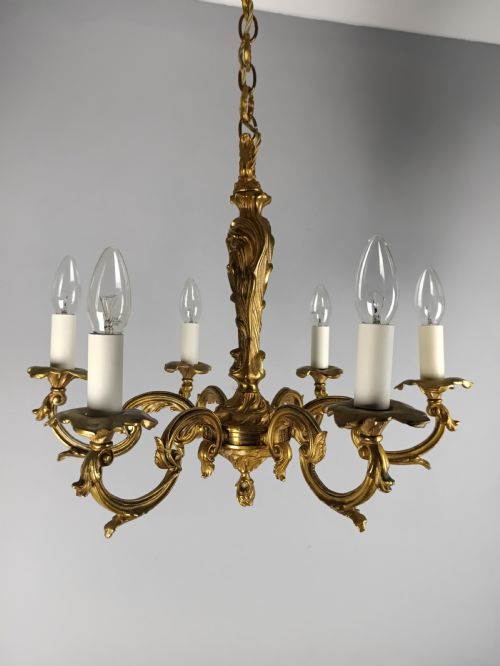
A vintage ceiling pendant light encompasses hanging illumination fixtures originating from the nineteenth century through the 1930s. The selection draws heavily on continental European output, particularly French and Italian workshops, alongside English examples.
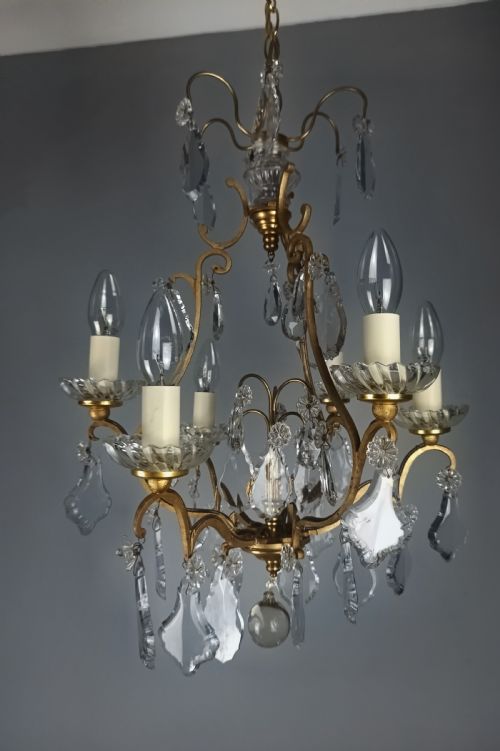
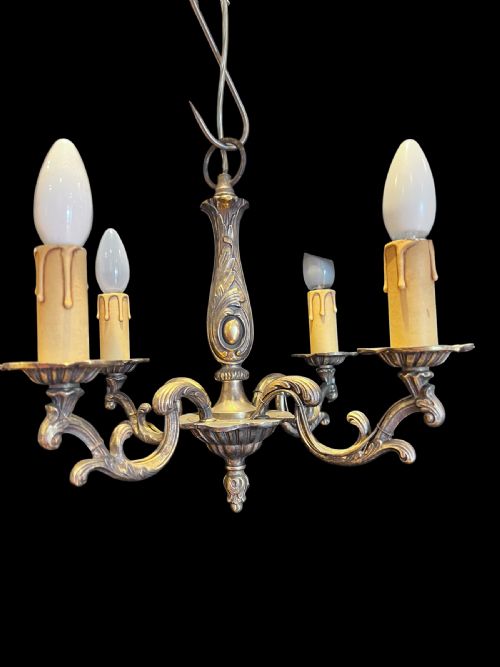
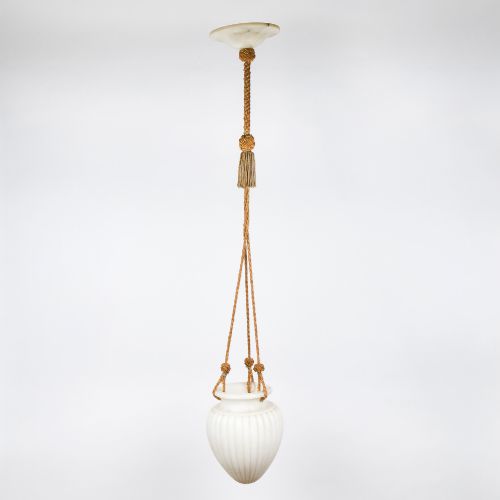
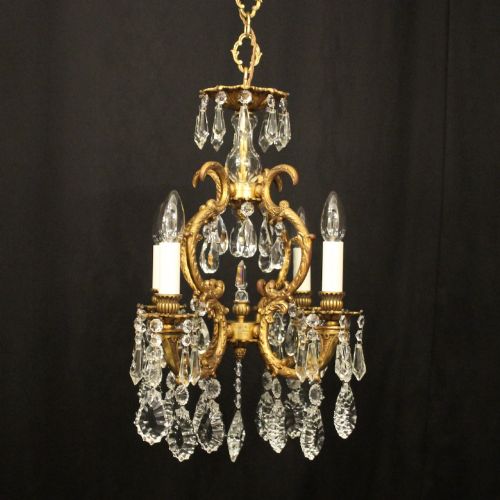
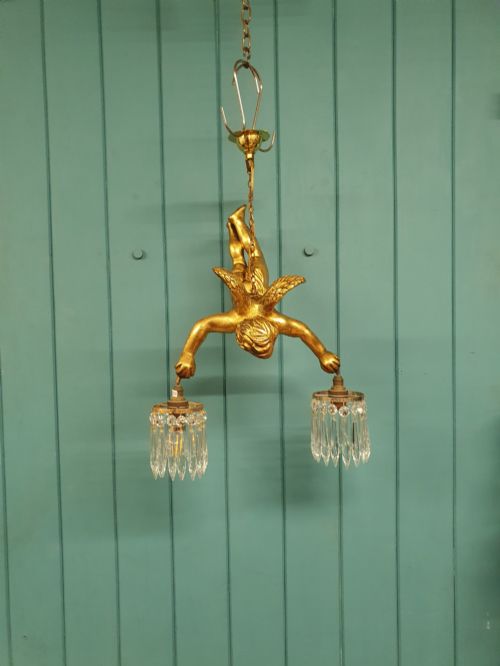
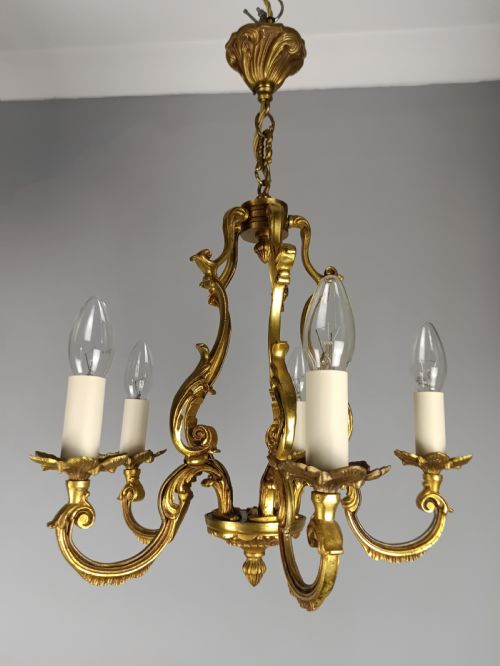
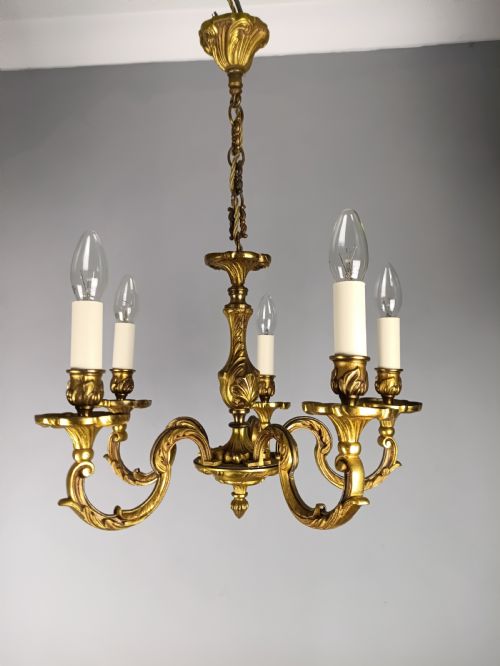
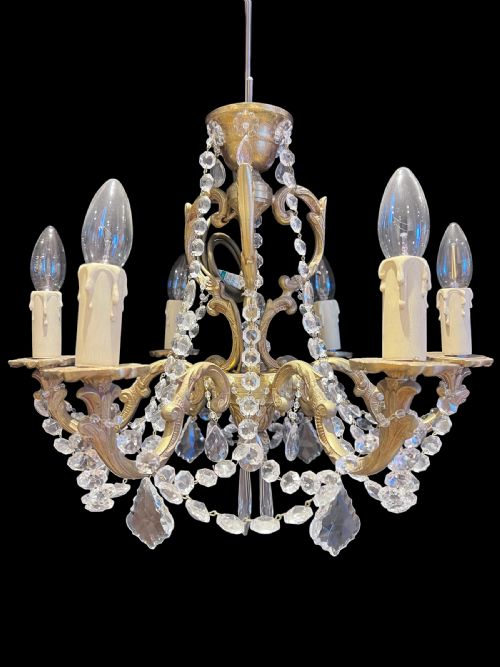
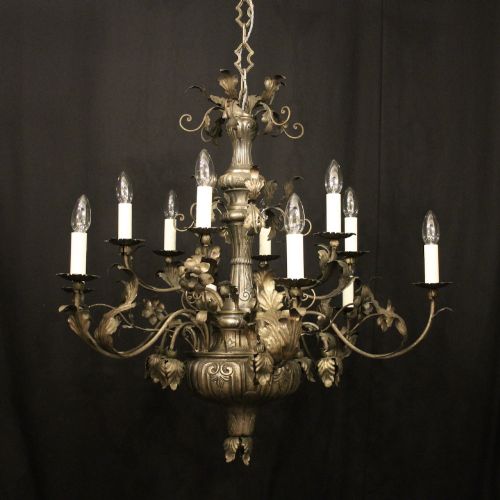
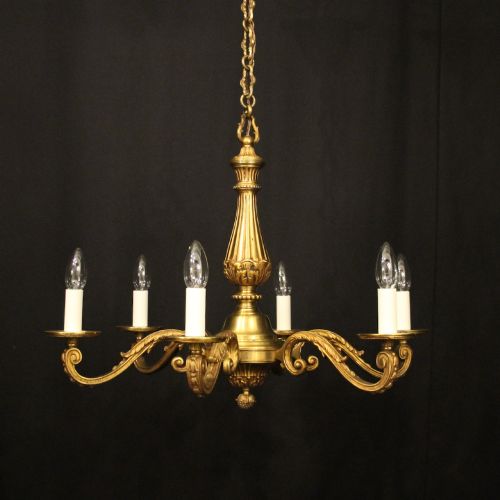
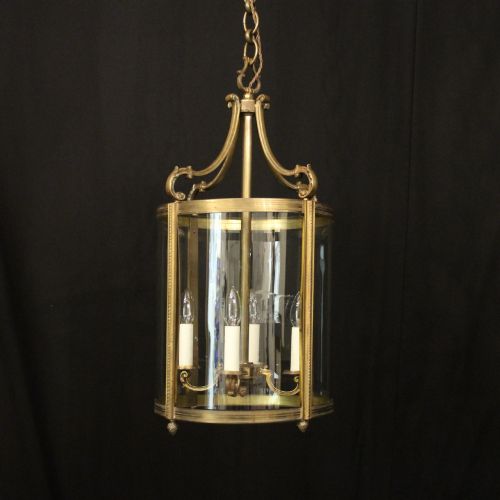
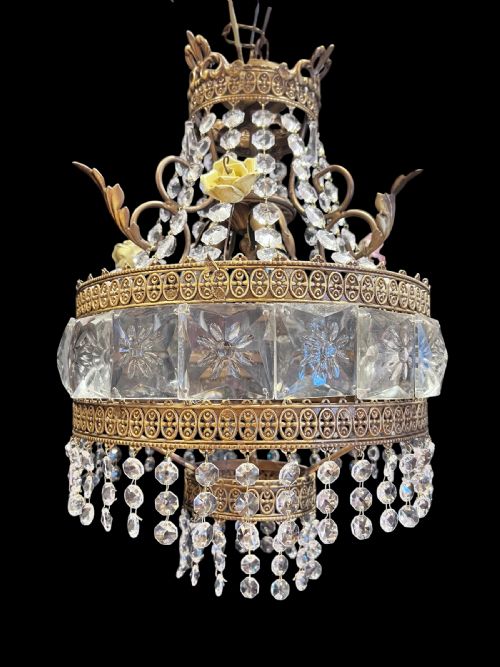
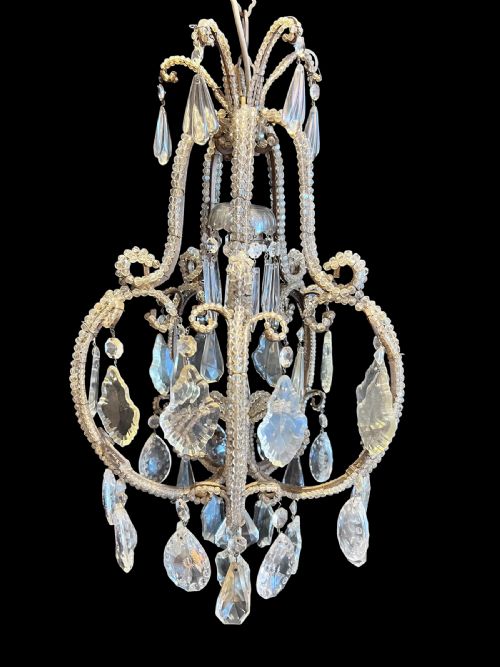
Forms range from single-light brass lanterns and opalescent glass shades to multi-arm chandeliers utilising crystal lustres, tent and waterfall drops, and bevelled star frames. Edwardian and Art Deco iterations sit alongside earlier Gothic Revival and Neoclassical styles.
Buyers encounter hanging hall lanterns, basket fixtures, and drop pendants designed to illuminate hallways, reception rooms, and stairwells with period character.
Materials and Construction
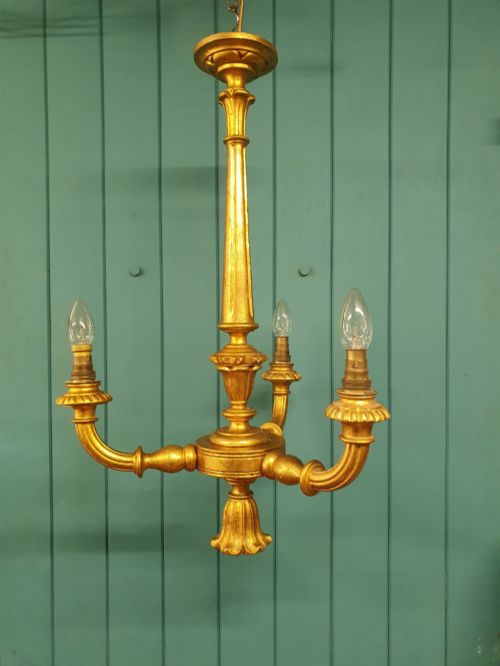
Metalwork forms the structural backbone of these fixtures, predominantly cast and spun brass, gilt bronze, copper, and gilded metal. Frames are assembled with mechanical joints, cast mounts, and soldered joins to support the weight of glass and crystal components.
Glass elements include hand-blown shades, opalescent panels, slip shades, and moulded cut crystal lustres wired or pinned to the frame. Gilding techniques apply gold leaf or metallic paint to bronze and brass surfaces for decorative effect.
Several fixtures sport a distinct provenance, including metalwork salvaged directly from Manchester City Town Hall.
Evaluating Quality and Execution
Quality rests upon the crispness of the metal casting and the depth of the chased or engraved detail on bronze and brass frames. Heavier gauges of metal and substantial glass components indicate superior original manufacture.
The integration of decorative elements, such as hand-cut crystal drops, porcelain flowers, and bevelled glass panels, determines the standard of the piece. Intact original gilding and patination elevate the finish above standard production.
Émile-Jacques Ruhlmann
The Vintage Ceiling Pendant Light Glossary
- Tent and waterfall
- A lighting configuration featuring strings of crystal beads arranged in a conical tent shape above a cascading drop.
- Slip shade
- A moulded piece of glass that fits directly into a metal frame without traditional screw fitters, common in Art Deco design.
- Hall lantern
- An enclosed hanging light fixture, often glazed, designed specifically for narrow entrance spaces and corridors.
- Crystal lustre
- A cut glass pendant drop hung from the arms or frame of a chandelier to reflect and refract light.
- Gilt bronze
- Bronze metal treated with a gold application, providing a durable and decorative metallic finish.
Vintage Ceiling Pendant Light: Frequently Asked Questions
How do I hang a heavy pendant light?
Suspension requires fixing directly into ceiling joists or using a weight-rated steel ceiling hook to support the mass of cast bronze and crystal components.
Wiring must run through the central hanging rod or chain, connecting to standard domestic electrical supplies via a terminal block concealed by a matching ceiling rose.
What rooms suit a hall lantern?
Enclosed glass lanterns fit narrow entranceways, corridors, and high-ceilinged stairwells where vertical drop maximises light distribution.
Their enclosed structure protects candles or electric bulbs from drafts while containing the visual weight of the brass or copper frame.
How do I clean crystal lustres?
Detachable crystal drops require gentle washing in lukewarm water with a mild detergent, followed by thorough drying with a lint-free cloth to restore clarity.
Fixed components need wiping in situ using a specialist glass cleaning spray applied to a cloth rather than sprayed directly onto the metal frame.
Can these lights use modern bulbs?
Most vintage fixtures accept standard screw or bayonet cap LED bulbs provided the wattage matches the historical wiring capacity.
Consulting an electrician ensures older brass lampholders meet current safety standards before installation in domestic settings.