

Vintage Ceiling Pendant Lantern
These vintage ceiling pendant lantern designs bring warmth and architectural character to hallways and porches, offering historic charm and practical illumination.
Vintage Ceiling Pendant Lantern
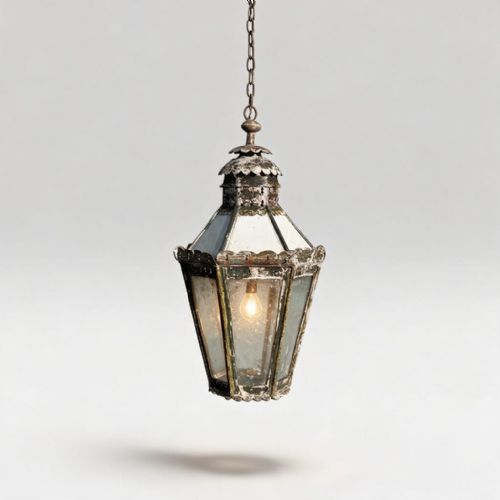
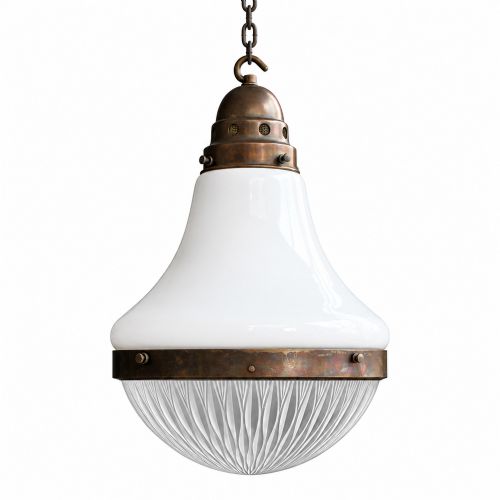
A vintage ceiling pendant lantern provides overhead illumination while serving as a distinct architectural focal point in hallways, porches and high-ceilinged rooms. These fixtures typically hang from chains or rigid suspension rods, directing light outward through glazed panels.
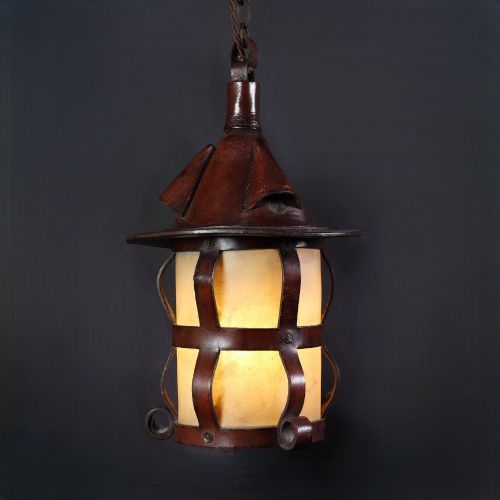
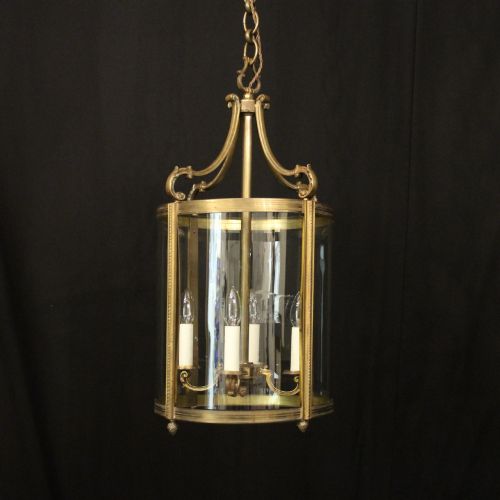
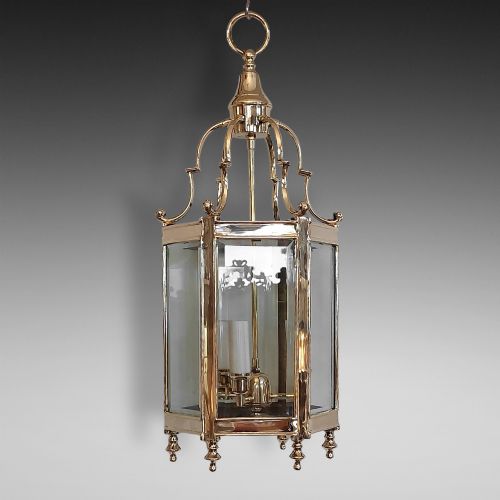
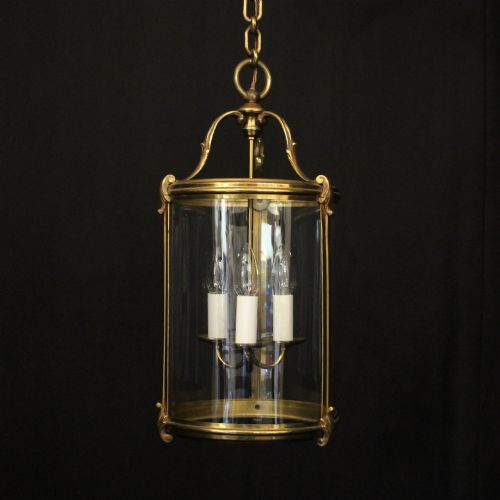
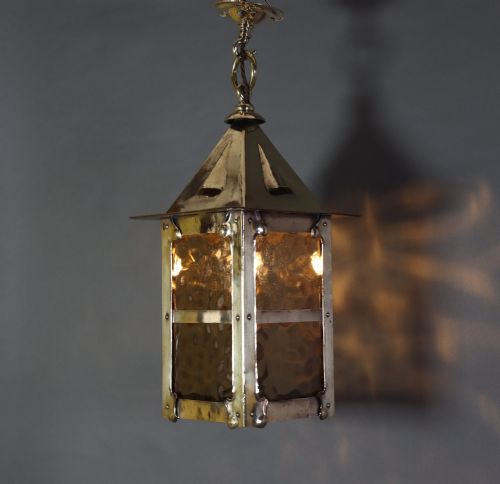
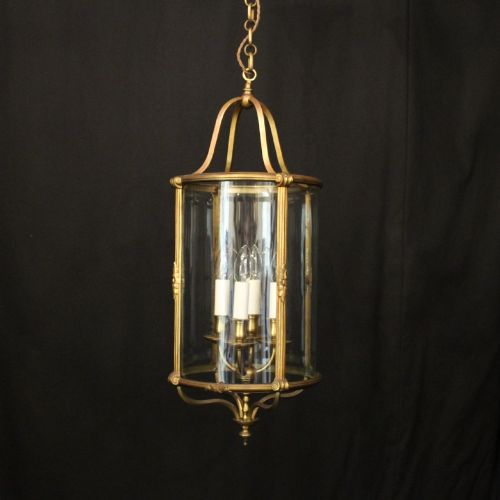
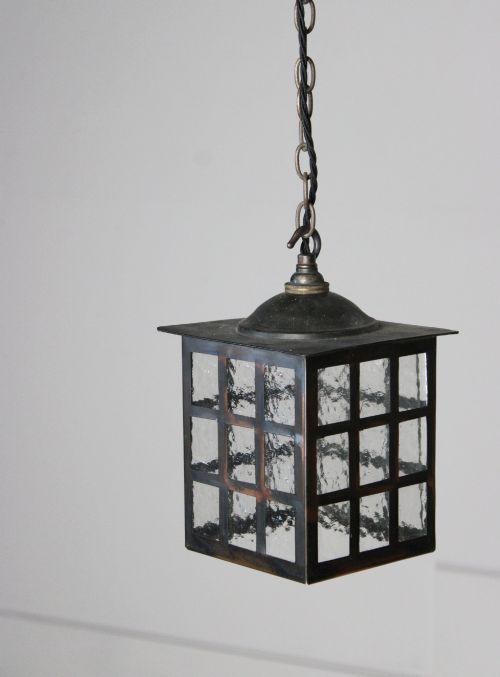
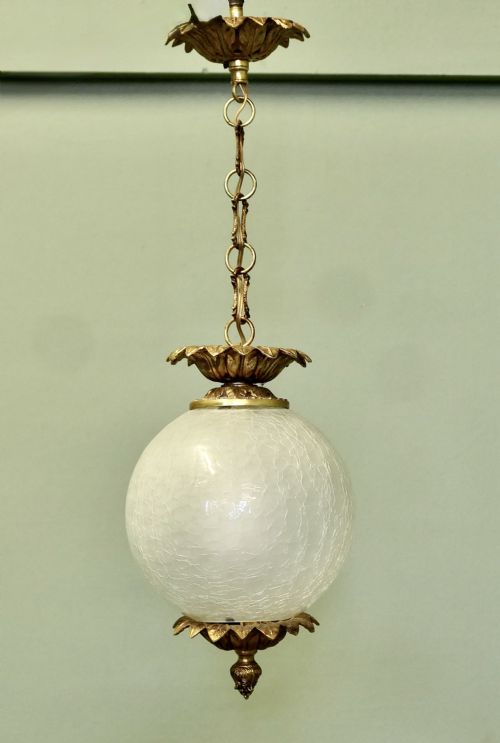
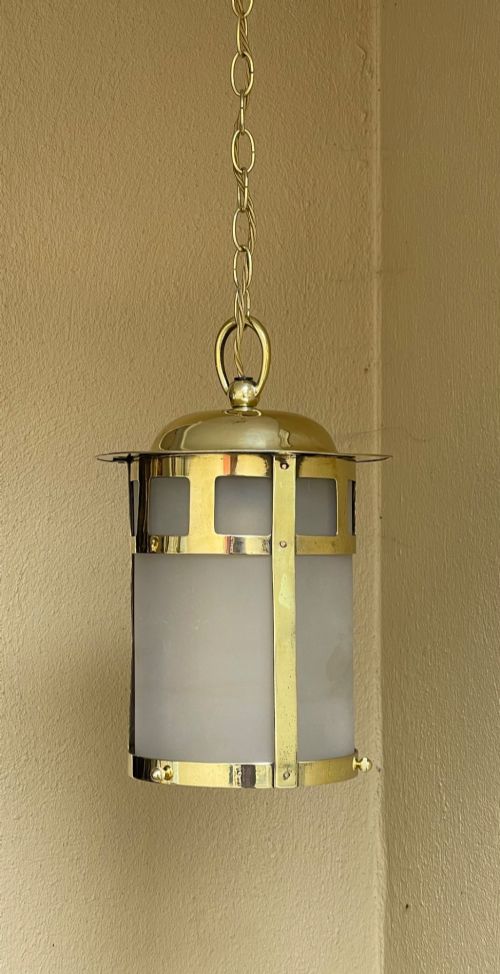
Buyers will most frequently encounter Edwardian and early twentieth-century examples rendered in brass or gilded bronze, often taking hexagonal, square or rounded forms. French styles heavily influence the selection, alongside robust English Arts and Crafts interpretations.
The materials and construction reflect a period when domestic lighting shifted from gas and paraffin to electricity, resulting in transitional fixtures that adapt well to modern interiors.
Materials and construction
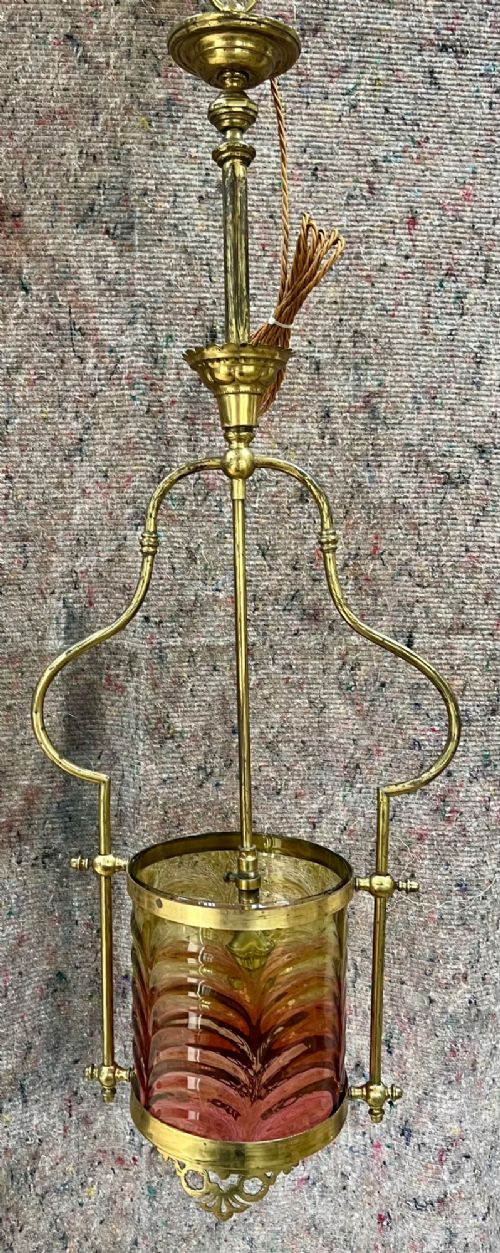
Makers constructed these lanterns primarily using structural metals such as brass, copper, bronze and gilded brass to form rigid skeletal frames that support multiple glazed panels. Metal components were cast, beaten or soldered together, then polished, gilt or left to age naturally.
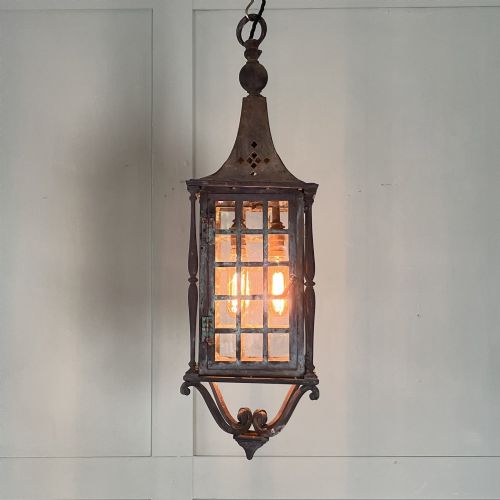
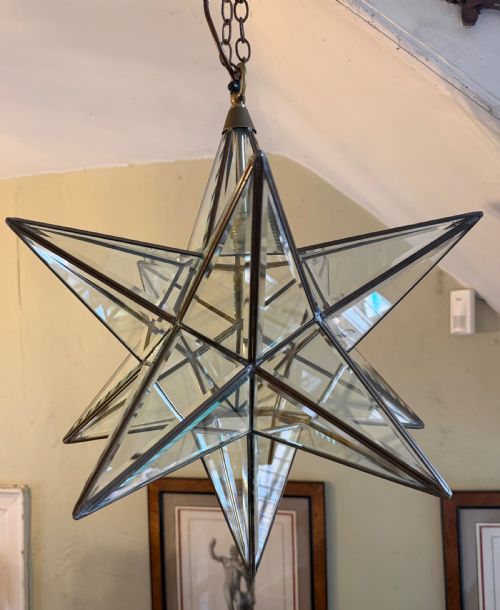
Glazing techniques varied widely, incorporating plain glass, bevelled panes, leaded stained glass, hand-blown bullseye glass or convex glass globes held securely within metal rebates and cames.
Several lanterns include small operational side doors originally designed for lighting candles or trimming wicks by hand.
Assessing quality
Quality reveals itself in the weight and thickness of the metal frame, the precision of the mitred joints, and the clarity or hand-worked character of the glass panels. Finer examples display crisp casting details on bronze mounts and robust hinge mechanisms on access doors.
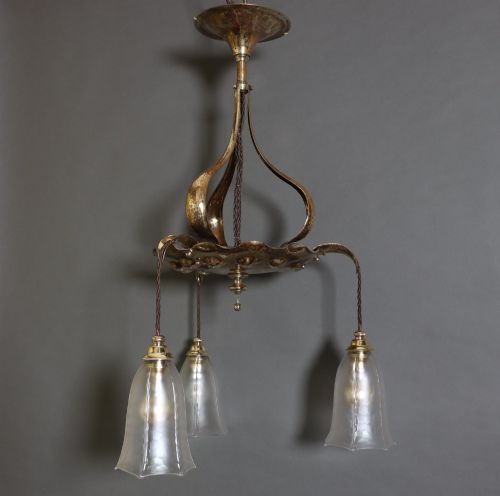
The artistic ambition of the design dictates value, distinguishing standard utilitarian hall lights from decorative pieces influenced by specific movements such as Art Nouveau, Arts and Crafts or French Chateau aesthetics.
Voysey
The Vintage Ceiling Pendant Lantern Glossary
- Bevelled Glass
- Glass panes with angled, polished edges that refract light into prismatic colours. This technique adds depth and decorative brilliance to lantern panels.
- Convex Glass
- Curved glass panes that bulge outward, adding volume and a softer quality to the emitted light. They frequently appear on round or multi-sided French hall lanterns.
- Gilded Brass
- Brass treated with a thin layer of gold leaf or gilt wash to impart a rich, reflective surface finish. It mimics solid ormolu while remaining structurally sound.
- Hexagonal Lantern
- A six-sided hanging light fixture that distributes illumination evenly across multiple directions. This geometry is standard for period entrance hall fittings.
- Leaded Glass
- Pieces of glass joined together by lead cames to form geometric or pictorial patterns. This traditional window-making method provides strong structural integrity.
Vintage Ceiling Pendant Lantern: Frequently Asked Questions
Where should I hang a vintage lantern?
These fixtures suit entryways, stairwells and high-ceilinged corridors where their downward-facing light and decorative frames create an immediate impression upon entering the room.
Ensure you hang the lantern at a sufficient height to allow clearance underneath, particularly in narrow hallways or above high-traffic thoroughfares.
How do I clean a brass lantern?
Dust the metal frame and glass panels regularly with a soft, dry cloth to prevent the accumulation of grime and airborne particles.
Avoid abrasive chemical polishes that can strip original patination or damage delicate gilding on antique brass and bronze surfaces.
Are these lanterns wired for electricity?
Many surviving examples have undergone conversion for modern electrical supply, though older wiring arrangements still require inspection by a qualified professional.
Check the internal lampholder and cabling to ensure compliance with current safety standards before installation in your home.
How do I date an antique lantern?
Examine the construction methods, screw types, metal composition and stylistic cues such as Arts and Crafts motifs or Edwardian proportions to establish the manufacturing era.
Compare the glass types, such as hand-blown bullseye panes or bevelled edges, against known period manufacturing techniques.