





Vintage Cauldron
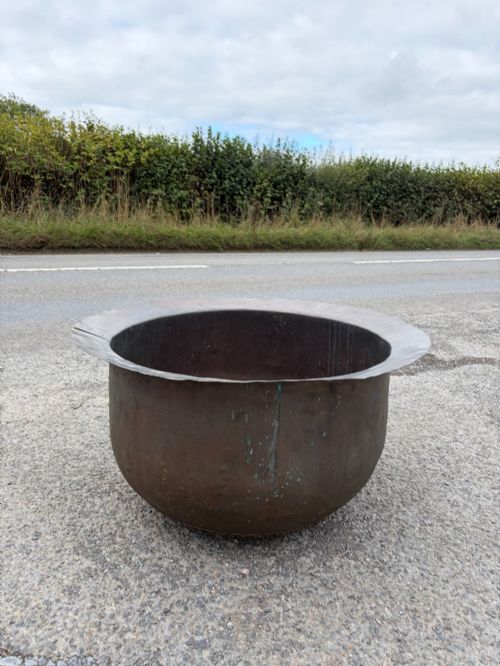
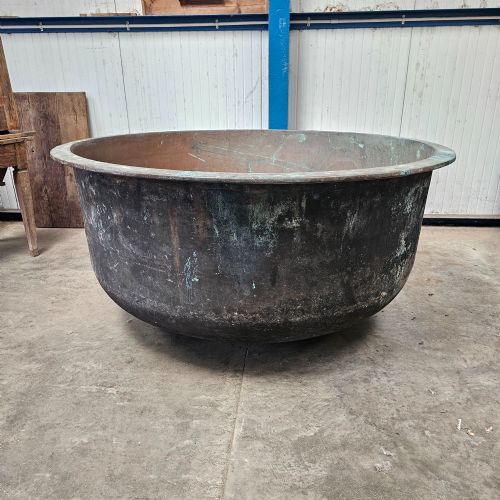
These heavy vintage cauldron examples in copper, brass and iron bring robust hearth utility into modern spaces as planters and log bins.
Vintage Cauldron
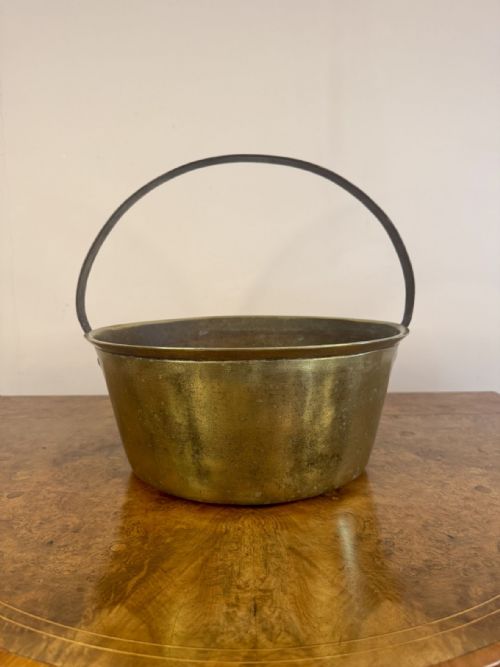
A vintage cauldron encompasses heavy metal vessels originally forged for cooking, boiling and preserving in domestic or farm settings. You will most frequently meet large copper pots, brass jam pans and iron cooking vessels dating from the nineteenth century.
These utility pieces span Georgian, Victorian and rustic continental styles, often repurposed today as fireside log bins or garden planters. Their generous proportions and sturdy handles reflect a time of open hearths and heavy domestic labour.
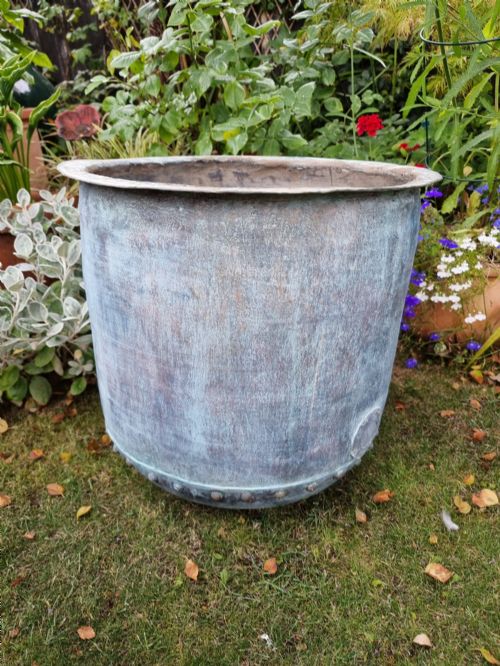
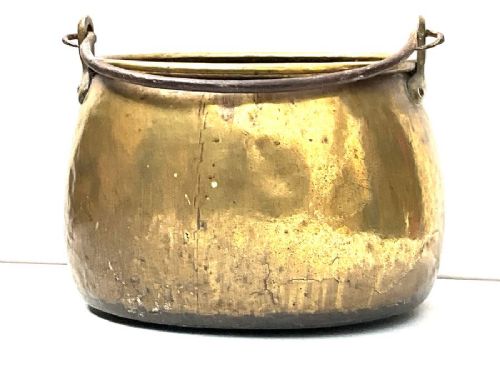
Many items recorded here double as log buckets or garden display pots, shifting from kitchenware to decorative accessories. The form remains remarkably consistent, typically featuring a rounded body, a swing handle in iron or brass, and a substantial weight.
What varies in quality
Quality rests upon the gauge of the metal and the integrity of the original construction rather than decorative flourish. Heavy, thick-walled copper and brass retain their structural strength better over centuries of use, whereas thin sheets distort under heavy loads.
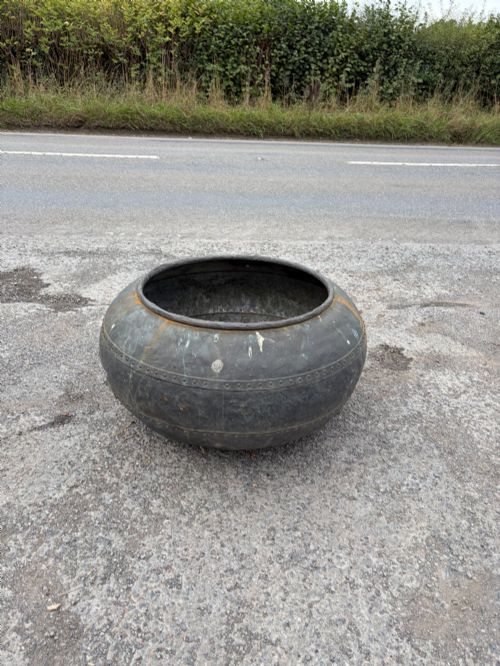
The craftsmanship in the hand-beaten body and the security of the riveted joints distinguish a superior vessel from a standard one. Patina also plays its part, with unpolished surfaces showing rich, natural oxidation rather than aggressive modern cleaning.
Vintage Cauldron Retail Price Guide 2026
Typical asking prices for vintage cauldron among the pieces listed under this phrase on Sellingantiques today, from the lower quarter to the upper quarter. They describe what is for sale here now, not the wider market.
French country origins appear alongside English pieces, showing functional vessels transformed into garden display pots and log bins.
The Vintage Cauldron Glossary
- Cauldron
- A large metal pot with a rounded base and a handle, historically used for open fire cooking and boiling. Today these robust vessels find new life as decorative planters and log bins.
- Verdigris
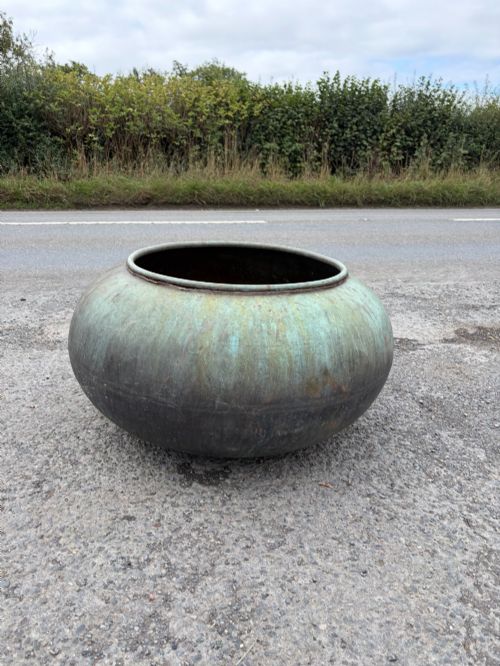
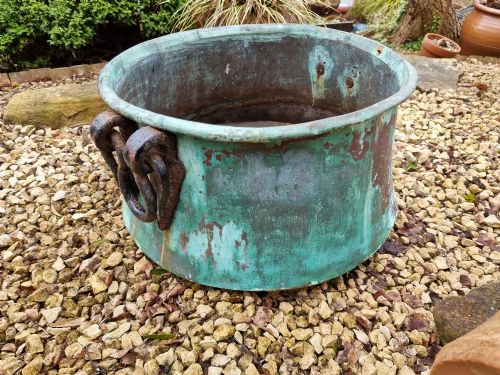
- A green patina that forms naturally on copper, brass or bronze when exposed to moisture and air over long periods. This chemical layer provides a distinct visual depth valued by collectors.
- Dinanderie
- Objects made of beaten brass or copper, named after the Belgian town of Dinant famous for metalworking. These pieces often feature decorative embossing or refined surface finishes.
- Swing handle
- A movable metal handle, usually forged from iron or brass, attached to the sides of a pot for lifting. They allow the vessel to tilt securely when suspended or carried.
- Jardiniere
- An ornamental pot or stand designed to hold growing plants or floral displays. In metalware, these often take the form of heavy brass or copper bowls.
Vintage Cauldron: Frequently Asked Questions
How do I clean a copper cauldron?
Wash the metal gently with warm soapy water and a soft cloth to remove surface dust without stripping the aged patina. Avoid harsh wire wool or abrasive chemicals that destroy the character built up over centuries.
Allow the surface to dry completely to prevent unwanted water spotting. If you prefer a brighter shine, apply a traditional metal polish sparingly with a soft cloth.
Can I use these outdoors as planters?
Copper, brass and iron vessels withstand outdoor conditions well and make striking garden planters. The natural moisture often enhances the verdigris finish over time.
Ensure proper drainage if planting directly inside the vessel, or use the cauldron as a decorative outer cachepot. Standing the metal on feet prevents moisture from trapping underneath during wet weather.
How do I date an antique cauldron?
Examine the construction methods, such as how the metal sheets join together at the seams. Hand-hammering and visible riveting typically point towards nineteenth-century or earlier Georgian origins.
Style markers like Regency brass mounts or Victorian industrial forms also provide clear chronological clues. Maker marks remain uncommon, so physical characteristics carry the weight of dating.