


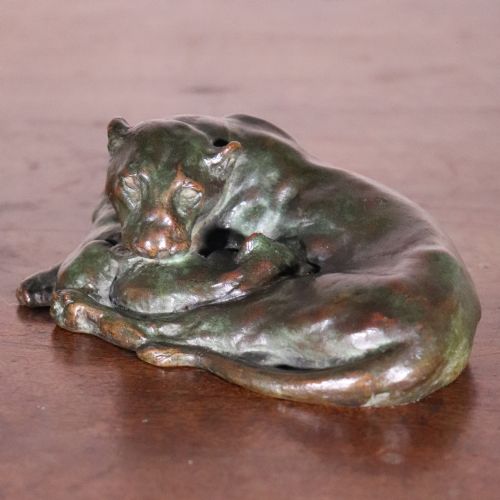
Vintage Cat Figurine
These vintage cat figurine pieces bring sharp bronze lines and soft porcelain charm straight into any room.
Vintage Cat Figurine
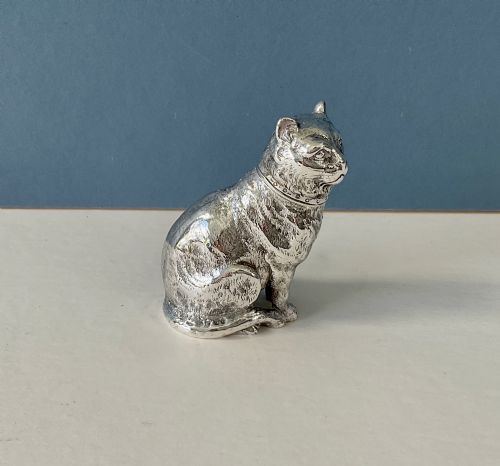
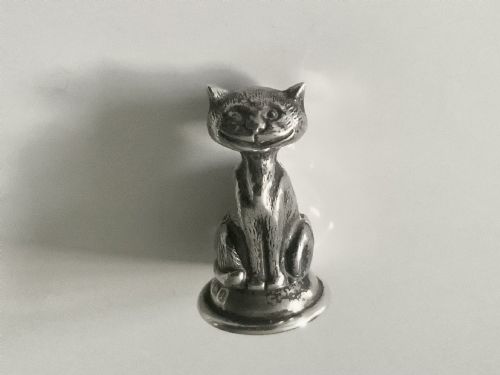
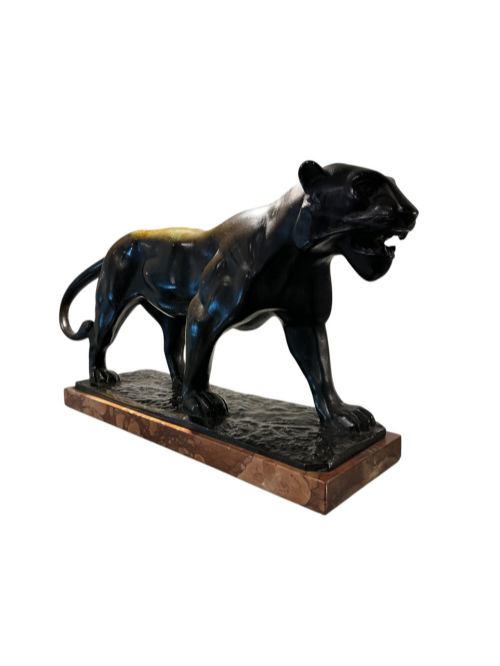
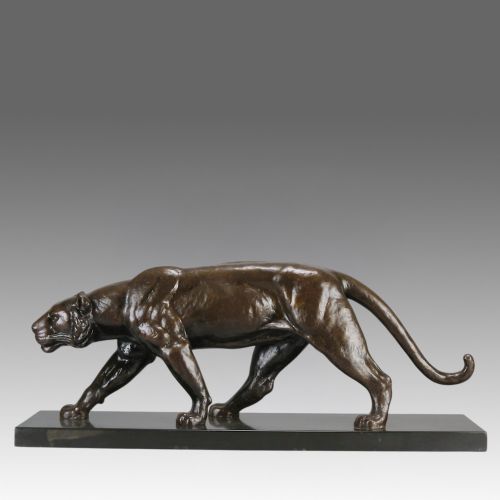
A vintage cat figurine covers everything from sleek Art Deco panthers to Victorian porcelain baskets and novelty silver peppers, capturing felines in bronze, marble, and glazed ceramic. When you search for a vintage cat figurine, you encounter diverse forms ranging from French animalier sculptures to Japanese netsuke.
The selections span the Victorian era, the 1890s, and the 1920s through to the 1940s, reflecting changing tastes in domestic animal display. Many pieces take the shape of prowling big cats or seated pets, rooted in Austrian, French, and Japanese traditions.
How they were made
Casting metal brought these subjects to life, utilising bronze, spelter, and sterling silver mounted on black marble bases or finished with cold paint. Artisans also worked with porcelain, glazed ceramic, glass eyes, and carved wood to shape smaller animals and desk accessories.
Detailing relied on careful hand painting, patination, and carving, as seen in cherry amber netsuke and gilded bronze desk sets.
Cats curl into cherry amber pockets and peer through glass eyes across the centuries.
What varies in quality
The distinction between ordinary and superior pieces rests on the sharpness of the casting, the fidelity of the animal anatomy, and the richness of the cold painted or patinated surface. Heavier materials like marble and solid bronze separate substantial works from lighter spelter alternatives.
Artist signatures and foundry marks elevate certain bronzes, while delicate carving defines the appeal of miniature netsuke and porcelain figures.
Alexandre Ouline·G. GARDET·Michel Decoux·Louis Riche
The Vintage Cat Figurine Glossary
- Animalier
- A nineteenth-century artistic movement dedicated to the realistic portrayal of animals. Sculptors in this style studied live creatures to capture musculature and movement accurately.
- Cold painted bronze
- A method where metal sculptures are painted with non-heat-set colours, often associated with Austrian workshops. Over time, the paint can show natural wear.
- Spelter
- An alloy of zinc and lead used as a cheaper alternative to bronze for sculptural figures. It is lighter and typically finished with a patinated coating to mimic bronze.
- Netsuke
- A small Japanese carved toggle used to secure a pouch or basket to a traditional garment sash. These pieces display intricate hand carving in materials such as cherry amber.
- Patination
- The ageing or chemical treatment applied to metal surfaces to produce colour and depth. It enhances the visual texture of bronze sculptures.
Vintage Cat Figurine: Frequently Asked Questions
How do I date a bronze cat figure?
Dating relies on the style of the base, the foundry marks, and the patination technique. Art Deco pieces often feature geometric marble plinths, whereas Victorian items lean towards ornate detailing.
Examining the casting method and signature style helps place the piece within the nineteenth or twentieth century.
What is the difference between bronze and spelter?
Bronze is a heavy, durable copper alloy that holds fine detail and develops a rich patination over time. Spelter is a softer, lighter zinc-based metal.
Spelter figures were often produced as budget-friendly alternatives and tend to show lighter weight and different surface wear.
How should I clean a vintage metal cat sculpture?
Dust gently with a soft dry cloth to protect the original patinated surface or cold painted details. Avoid commercial metal polishes, which can strip away historic colour and finish.
Keeping the piece away from direct sunlight and moisture preserves the material integrity.
Are these figures solid bronze?
Many animal sculptures are cast as solid bronze, while others are hollow castings to manage weight and material costs. Desk sets and smaller figurines often utilise solid construction for stability.
Checking the weight relative to size usually indicates the casting method used.
What styles are common in antique cat figures?
Art Deco designs favour sleek, stylised panthers with clean lines, often mounted on contrasting marble bases. Victorian and animalier pieces lean towards naturalistic representations of lions, tigers, and domestic cats.
Japanese netsuke offers small-scale, highly detailed carvings of curled felines.