
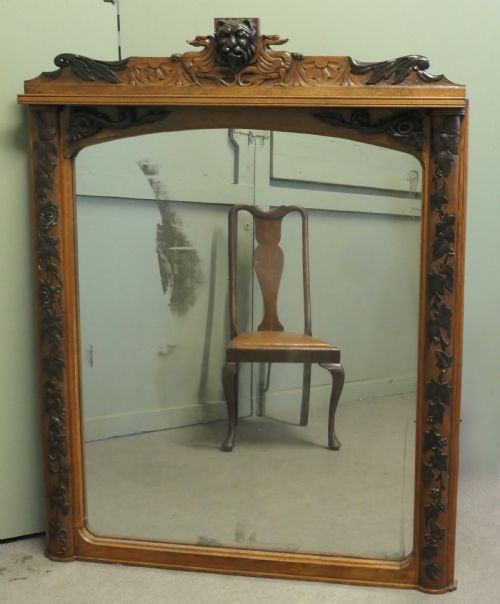

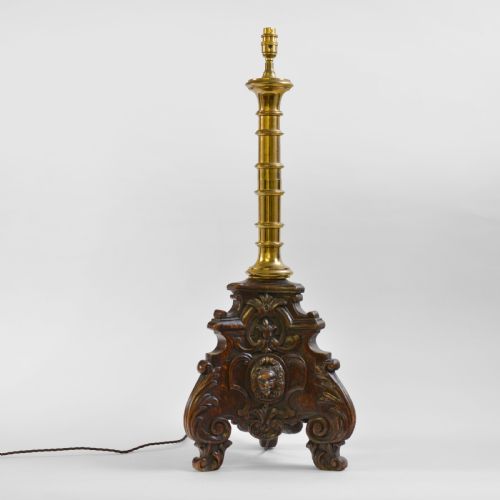

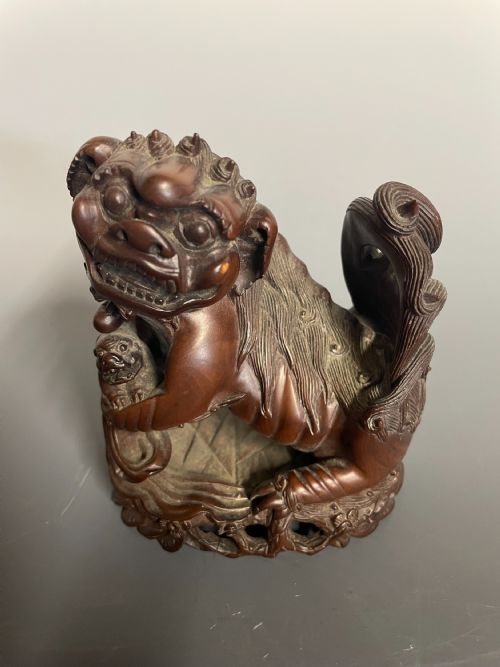


Vintage Carved Wooden Lion
These vintage carved wooden lion pieces bring sturdy domestic character and sculptural presence to a room, ranging from figures to architectural fragments.
Vintage Carved Wooden Lion
A vintage carved wooden lion manifests in diverse forms across the inventory, encompassing freestanding figures, architectural salvage, wall masks, and functional items like bookends. You encounter pieces spanning centuries, from seventeenth-century Flemish work to twentieth-century animal sculptures.
The materials reflect traditional cabinet timbers and sculptural woods, predominantly oak, walnut, mahogany, and boxwood. These items often originate from larger decorative schemes, furniture elements, or dedicated animal carvings.
Selecting a vintage carved wooden lion depends on the desired scale and placement, whether seeking a monumental wall mask or a modest desktop ornament. The range includes items shaped by regional European workshops and revival aesthetics.
Materials and methods
Surface finishes vary from raw or waxed timber to painted elements and occasional mounted bases in alternative materials like glass or marble. Joinery and mounting techniques reflect the intended function of each object, whether wall-mounted, freestanding, or integrated into furniture.
A nineteenth-century carved walnut Black Forest tiger head sneaks in among the lions, proving that striped cats occasionally crash the pride.
Evaluating the standard
The calibre of a vintage carved wooden lion rests on the anatomical precision of the carving and the vitality captured in the expression. Master carvers achieved depth and texture in the mane and musculature that lesser hands rendered flat.
The choice and conservation of the timber influence the piece, with dense heartwoods retaining crisp detail over generations while softer woods suffer surface wear. Original patination and minimal structural intervention preserve the integrity of the work.
Eugene Emile Borga
The Vintage Carved Wooden Lion Glossary
- Architectural salvage
- Building elements removed from structures for reuse or display. These pieces often include wall masks or structural fragments adapted as decor.
- Black Forest
- A regional style of wood carving associated with nineteenth-century German and Swiss makers. It is noted for realistic animal sculptures and deep relief work.
- Flemish Baroque
- An ornate European design style from the seventeenth century characterised by dramatic movement and rich surface ornamentation. It frequently employs carved oak.
- Sarcophagus
- A coffin-shaped container form adopted during the Regency period for wine coolers and cellarettes. Such pieces occasionally incorporate carved lion paw feet or handle mounts.
- Boxwood
- A dense, pale hardwood prized by carvers for intricate detail work. It allows for sharp edges and miniature sculptural forms.
Vintage Carved Wooden Lion: Frequently Asked Questions
Where do I place a wooden lion sculpture?
These pieces suit mantelpieces, sideboards, or dedicated display tables where their sculptural form can be appreciated from multiple angles. Wall-mounted masks require secure fixings into solid masonry or studwork due to their substantial timber weight.
Pairing a figure with complementary wood furniture enhances the display without cluttering the room. Ensure the piece is kept away from direct heat sources to prevent the timber from drying out.
How do I identify the age of the carving?
Dating relies on tool marks, timber choice, and the stylistic conventions of the period, such as seventeenth-century Flemish detailing or Regency neoclassical restraint. Examining the underside or reverse often reveals historical construction methods and fixings.
Patina accumulated through handling and age offers further clues to the history of the object. Comparing the form to documented revival styles helps narrow down the era of manufacture.
Can I use a carved lion bracket outdoors?
Most of these items are intended for interior display and lack the weather-resistant treatments needed for external exposure. Moisture and temperature fluctuations will damage historic wood and open up joints.
Keeping them indoors protects the carved surface and any original wax or polish. If used in a conservatory, ensure the piece avoids direct sunlight and damp conditions.