




Vintage Carved Posts
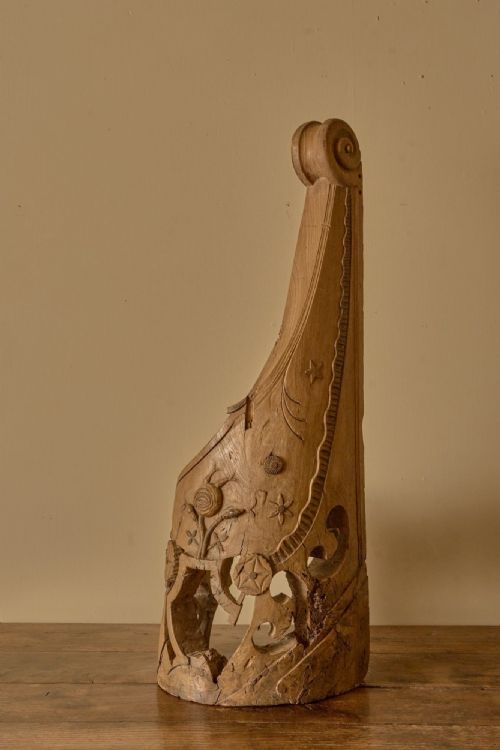
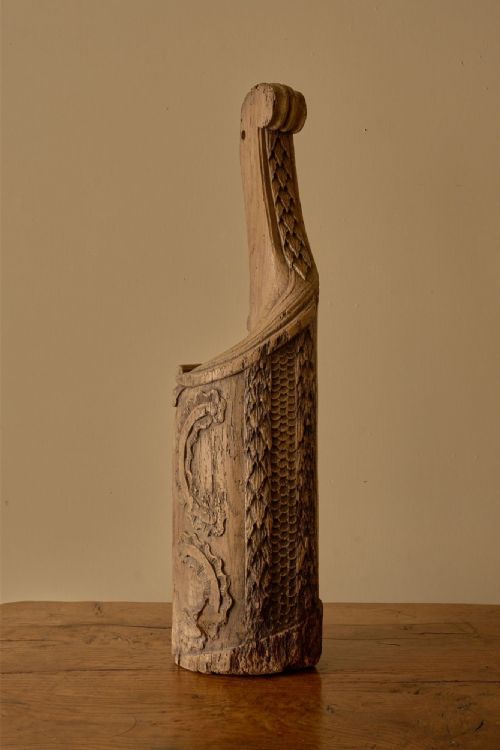
Vintage carved posts bring architectural presence into a room, offering substantial timber work drawn from architectural salvage and grand bed frames.
Vintage Carved Posts
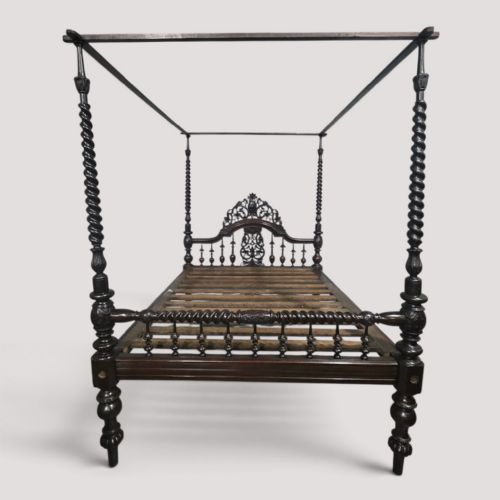
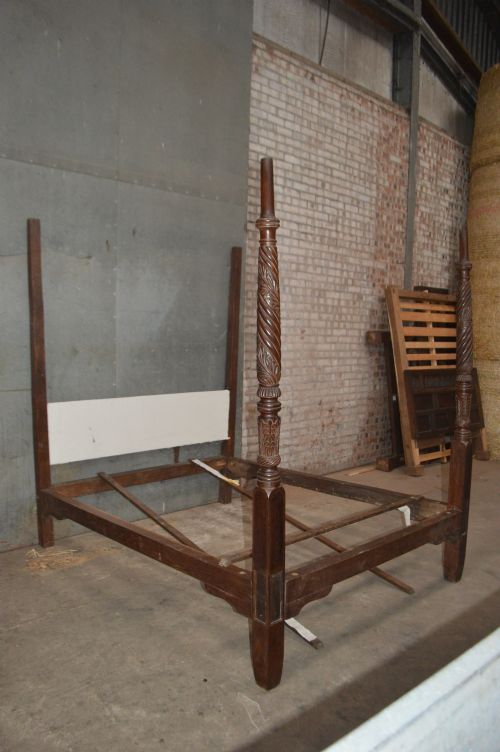
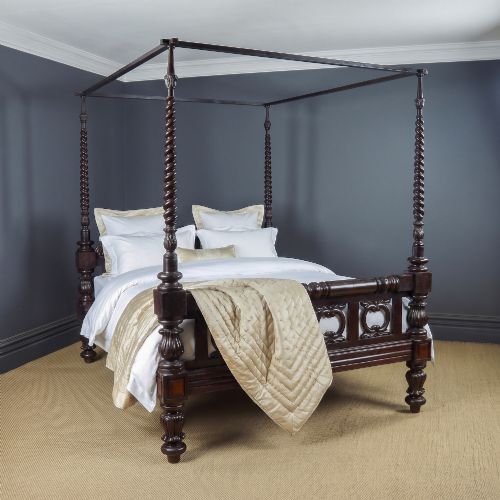
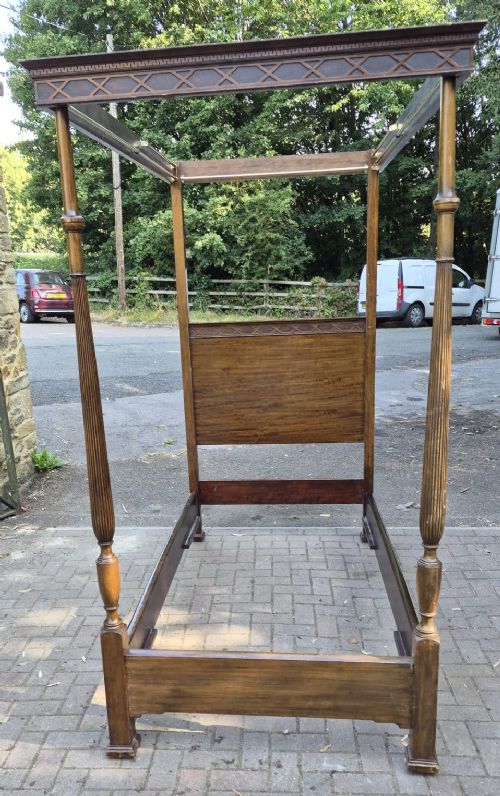
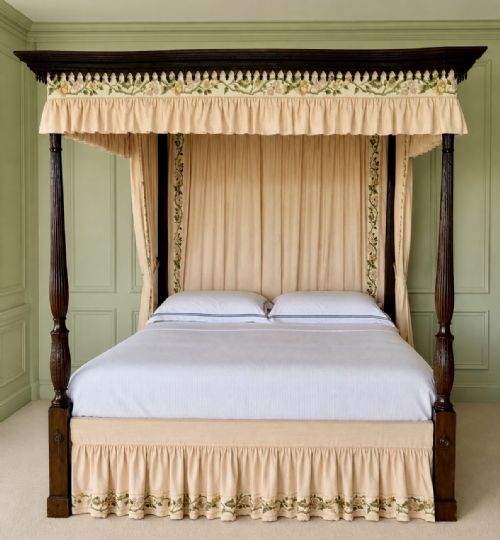
When you search for vintage carved posts, you encounter structural timber components and decorative uprights originating from substantial furniture and architectural salvage. These elements draw on Georgian, Victorian, Regency and Edwardian traditions, appearing primarily as architectural columns, bed posts, and components from four poster bed frames.
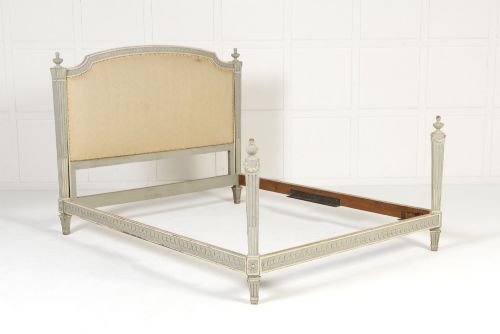
The selection ranges from architectural elements like pairs of nineteenth-century hardwood columns to components removed from grand mahogany four poster beds. Pieces span the nineteenth century through the early twentieth century, including Edwardian interpretations of Georgian styles and Louis XVI influences.
How they were made
Maker construction relies heavily on dense timbers such as mahogany and assorted hardwoods, shaped through traditional joinery and hand-carving techniques. Structural elements often incorporate secondary applications of gesso and gilding to accentuate carved relief details.
Makers utilised solid wood construction for load-bearing columns and bed standards, employing chisel and gouge work to execute classical fluting, foliate motifs, and architectural turning.
Vintage Carved Posts Retail Price Guide 2026
Typical asking prices for vintage carved posts among the pieces listed under this phrase on Sellingantiques today, from the lower quarter to the upper quarter. They describe what is for sale here now, not the wider market.
Current listings feature timber and hardwood materials spanning the 18th century through the 1950s.
What varies in quality
Quality rests upon the crispness of the hand-carved detail and the selection of timber. Dense, well-figured mahogany and finely grained hardwoods retain sharper architectural profiles than softer woods.
The integrity of the original surface finish, whether polished timber, early paint, or applied gesso, dictates the visual depth of the piece. Proportion and the symmetry of matched pairs likewise separate standard utility elements from finer decorative work.
Achille Bron·Paul-Élie Gernez·Jean Hippolyte Marchand·Hendrik Yan Wolter·John Gilroy
The Vintage Carved Posts Glossary
- Newel post
- The principal post at the foot or landing of a staircase supporting the handrail. Eighteenth-century examples often display robust hand-carved ornamentation.
- Four poster bed
- A bed with four vertical columns supporting a tester canopy. These frames frequently showcase elaborate turning and carving along the main posts.
- Architectural salvage
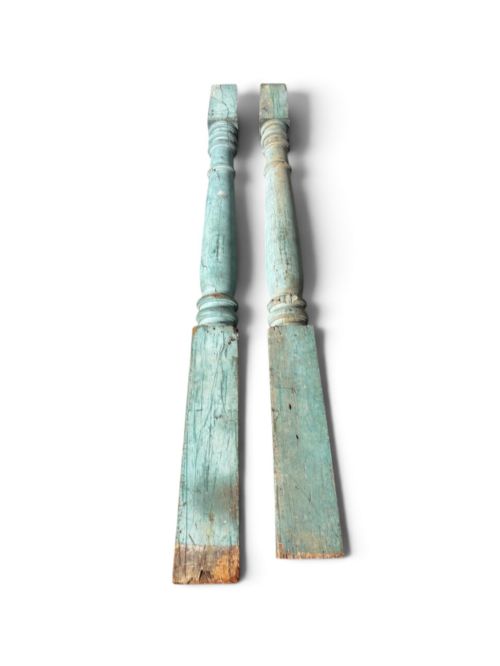
- Building elements rescued from structures slated for alteration or demolition. Columns and pillars on this page originate from such sources.
- Gesso
- A plaster-like material applied to wood surfaces to create a smooth base for gilding or painting. It allows for crisp, moulded decorative relief.
- Hardwood
- Timber from broad-leaved dicotyledon trees, valued in these pieces for its density and durability. Mahogany is a prominent example found across the listings.
Vintage Carved Posts: Frequently Asked Questions
What are vintage carved posts used for?
These elements serve primarily as decorative architectural accents, structural salvage pieces, or replacement components for period bed frames.
Buyers often display single columns or matched pairs freestanding in an interior to add vertical scale and historical texture to a room.
How do I identify the period of a carved post?
Dating relies on timber selection, tool marks, and stylistic vocabulary associated with specific eras like the Georgian or Victorian periods.
Mahogany and heavy hardwoods indicate eighteenth or nineteenth-century origins, while hand-carving techniques reveal the prevailing aesthetic of the time.
Are these posts sold as single items or pairs?
The inventory includes both individual columns and matched pairs removed from architectural settings or larger bed frames.
Listing titles specify whether an object is offered alone or as part of a matching set for symmetrical placement.
How do I incorporate architectural posts into a modern interior?
Columns and pillars can be mounted against walls or placed in corners to anchor open living spaces with traditional craftsmanship.
Their natural timber finishes and carved surfaces provide textural contrast against neutral walls and contemporary furnishings.