
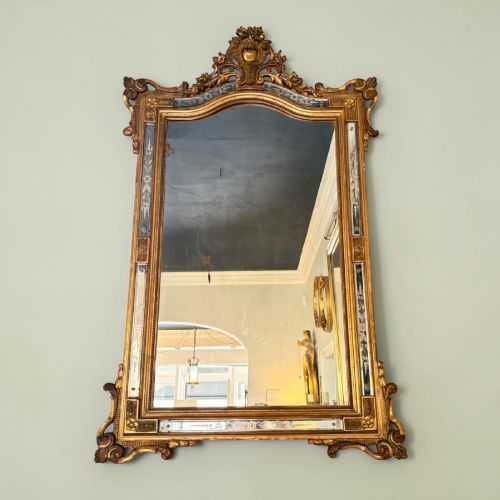
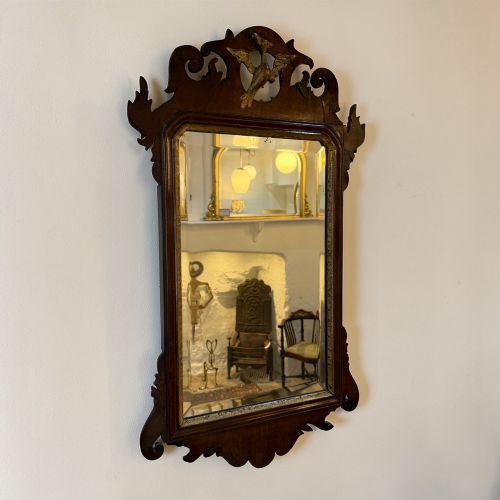
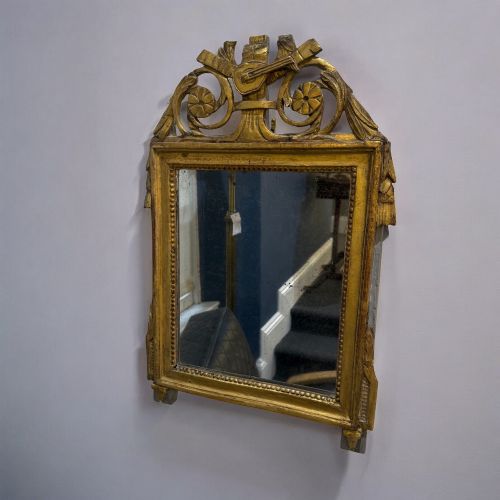
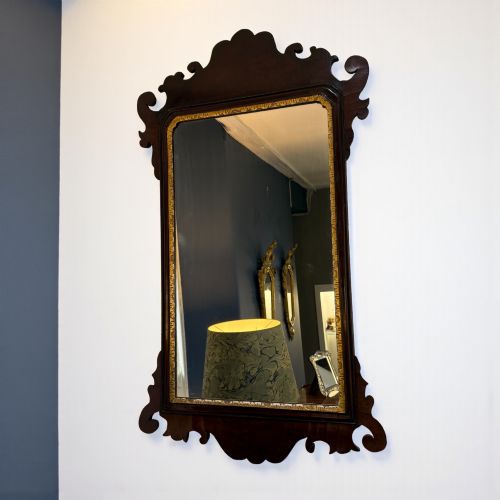
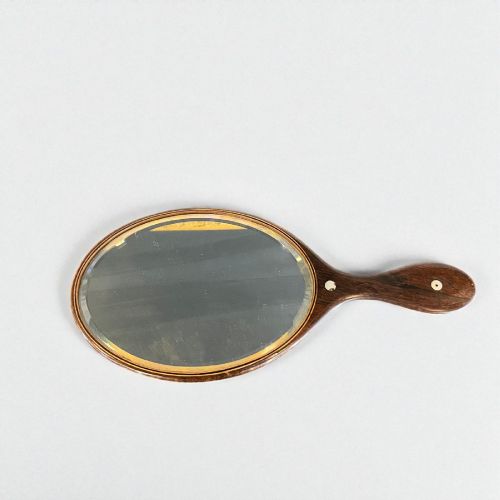
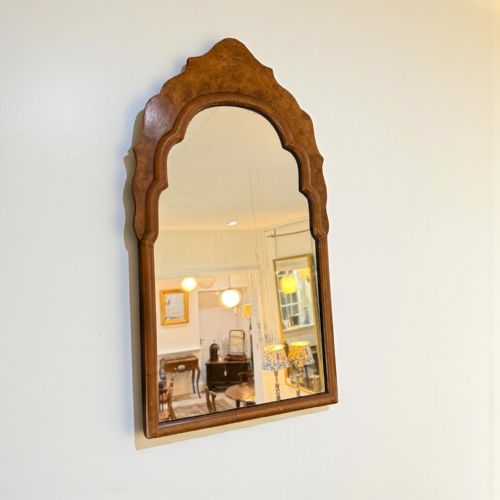
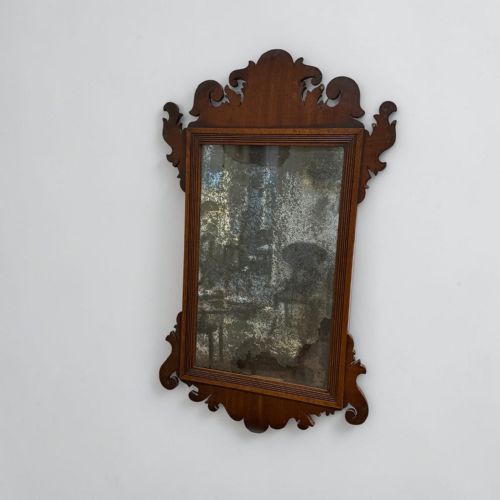
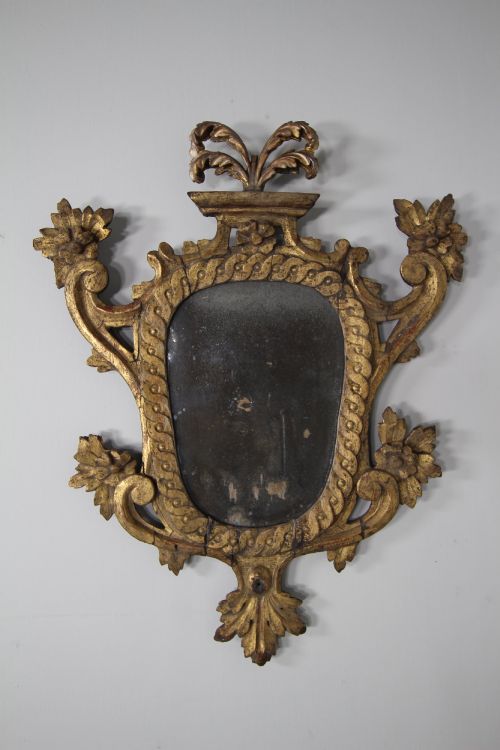
Vintage Carved Glass Mirror
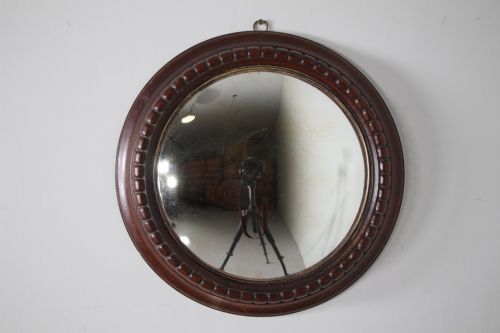
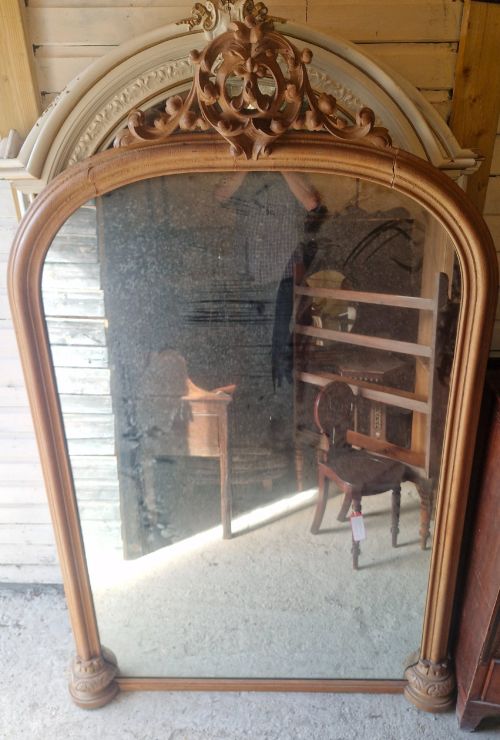
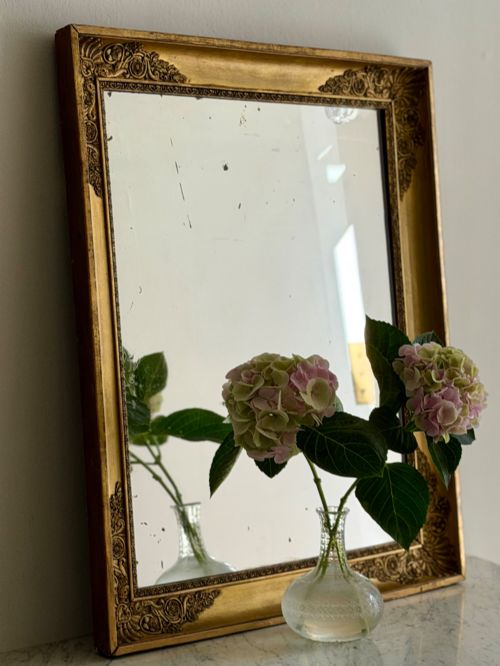
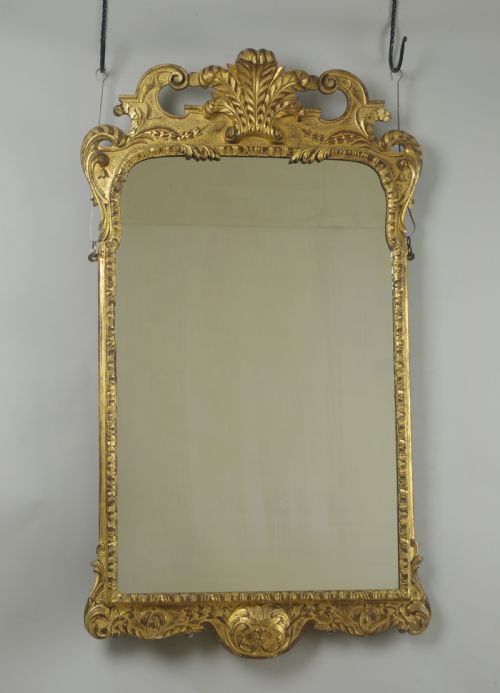
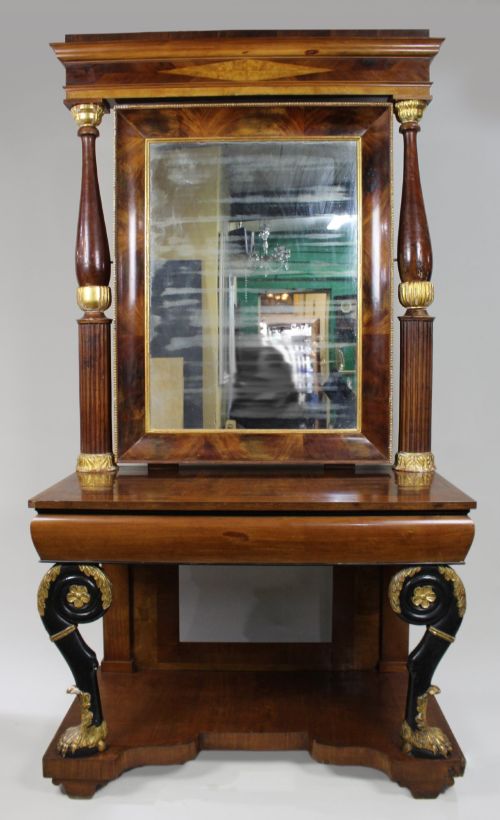
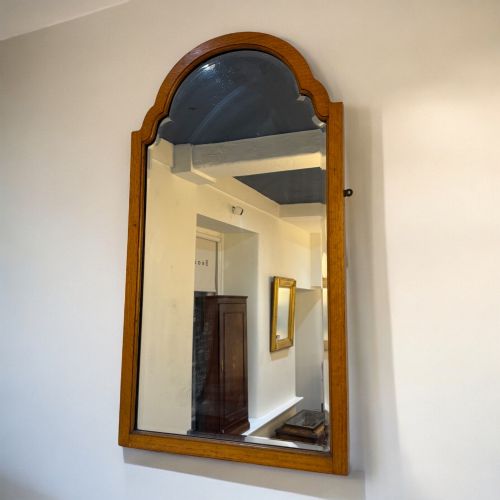
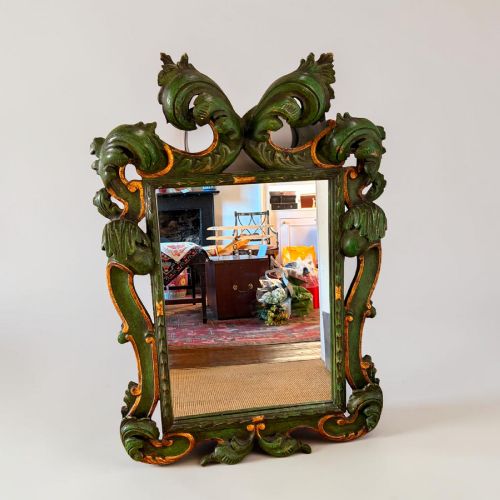
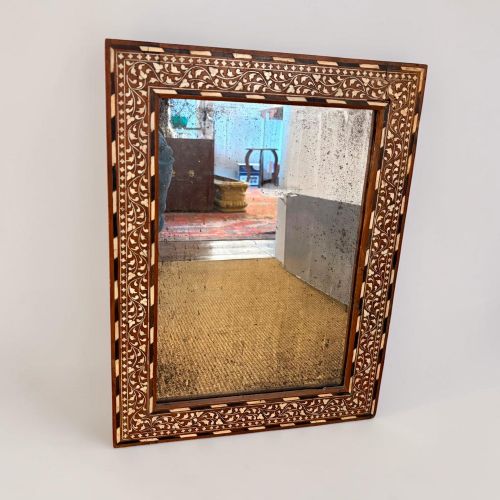
A vintage carved glass mirror brings instant light and historic character to a room, drawing the eye with its intricate wooden or gilded frame.
Vintage Carved Glass Mirror
Buyers frequently encounter wall mirrors and large overmantels designed to sit above a fireplace, alongside freestanding cheval mirrors and occasional sideboards that incorporate reflective glass plates. These items hail from English, French, and Italian workshops, reflecting the aesthetic preferences of periods such as the Regency and Napoleon III eras.
The materials span traditional hardwoods like mahogany, walnut, and oak paired with delicate gesso, giltwood, and gold leaf applications. Pieces span centuries of craftsmanship, offering both restrained domestic mirrors and monumental decorative statements.
How they were made
Carved wooden frames form the structural backbone of these pieces, utilising timbers such as mahogany, oak, walnut, and rosewood shaped by hand. Craftsmen applied layers of gesso to softer woods before gilding them with gold leaf to achieve rich metallic finishes.
Mirror plates of the period frequently consisted of mercury glass or early bevelled glass plates secured within the wooden or gesso housing. Joinery techniques varied from simple pegged frames to complex parcel-gilt constructions incorporating carved floral and scroll motifs.
What varies in quality
The depth and crispness of the hand-carving distinguish finer frames from simpler production pieces, particularly where gesso ornaments meet wooden substrates. Superior examples display carefully modelled relief work and harmonious proportions that retain their original gilding or polished wood surfaces.
The condition and authenticity of the mirror plate itself dictate the calibre of the piece, with original mercury glass and bevelled edges commanding distinct attention. Frame integrity, minimal timber shrinkage, and retained backboards further separate standard domestic mirrors from exceptional decorative works.
The Vintage Carved Glass Mirror Glossary
- Giltwood
- Wood that has been coated with a thin layer of gold leaf or gold powder. This technique was widely utilised on frames from the eighteenth and nineteenth centuries to impart a luminous metallic sheen.
- Gesso
- A plaster-like mixture applied to wooden frames as a smooth base for gilding or painting. Artisans carved intricate decorative motifs directly into this dried material before applying gold leaf.
- Overmantel Mirror
- A large mirror specifically proportioned to hang on the wall directly above a fireplace mantel. These pieces often feature wide horizontal formats and ornate cresting.
- Cheval Mirror
- A freestanding full-length mirror suspended on a vertical frame with pivoting pivots. This form allows the glass to tilt and angle according to the viewer's preference.
- Mercury Glass
- An early type of mirror glass created by pouring a mercury and tin amalgam behind the glass pane. It produces a distinctive mottled, foxed appearance over time as the backing ages.
Vintage Carved Glass Mirror: Frequently Asked Questions
How do I date an old mirror?
Dating relies on examining the construction methods of the wooden frame, the type of timber utilised, and the manufacturing characteristics of the glass plate itself. Older pieces often display hand-cut joinery and subtle irregularities in the glass.
Secondary indicators include the style of gesso ornamentation, backboard fixings, and any remnants of historical labels or stamps left by the original cabinetmaker.
What is mercury glass?
Mercury glass refers to double-walled or silvered glass objects manufactured during the nineteenth century using a mercury amalgam. This process gives the reflective surface a deep, misty appearance.
Over decades, chemical reactions cause the backing to develop dark spots and foxing, which collectors value as a sign of genuine age.
Where should I hang an overmantel mirror?
Overmantel mirrors traditionally anchor the space directly above a fireplace, reflecting light and creating a focal point in reception rooms. Their substantial horizontal proportions suit wide wall spaces.
Ensure the wall fixings are secured into solid masonry or studwork capable of supporting the considerable weight of a heavy wooden and gesso frame.
How do I clean a antique mirror plate?
Cleaning requires a soft, lint-free cloth and a minimal amount of mild, pH-neutral cleaning solution applied to the cloth rather than directly onto the glass. Harsh chemical sprays can seep behind the frame and damage the fragile silvering or mercury backing.
Take care near the edges of the plate where the historical backing is most vulnerable to moisture ingress and flaking.