


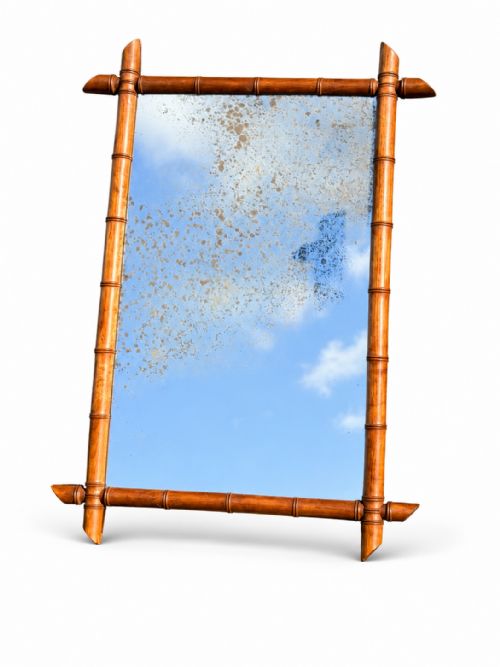
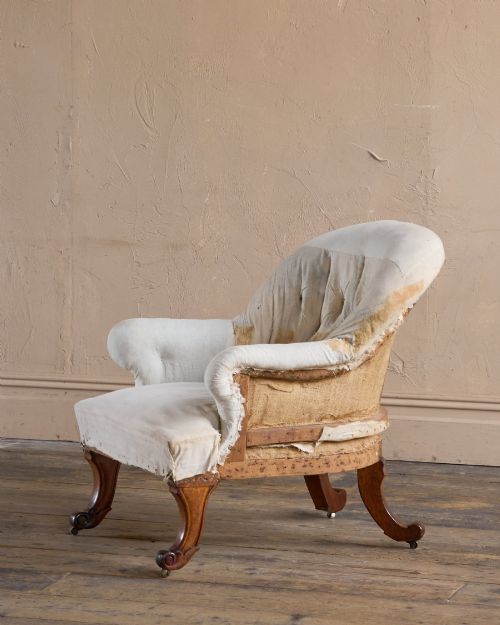
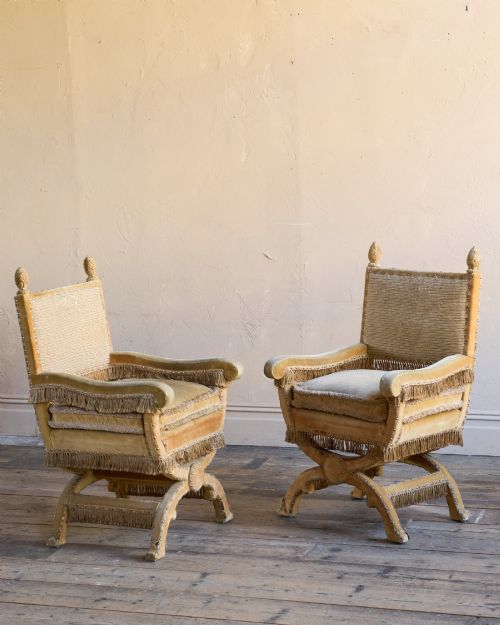
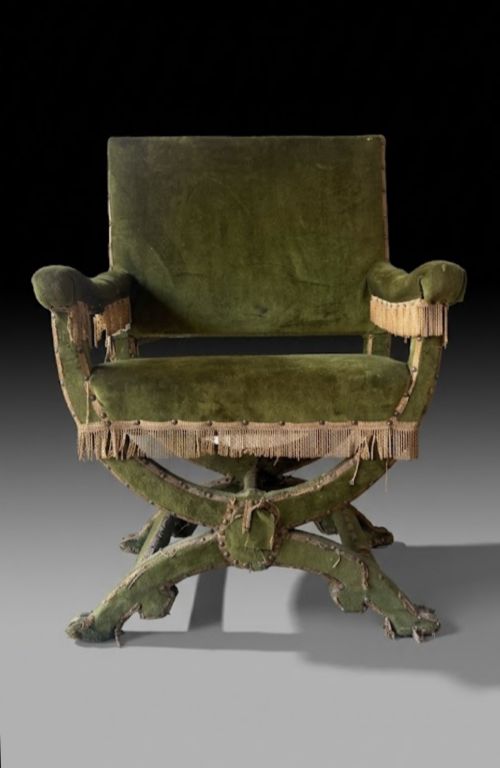
Vintage Carved Frame
A vintage carved frame brings texture and history to a room, enclosing mirrors, pictures and beds with timber and gesso craftsmanship.
Vintage Carved Frame
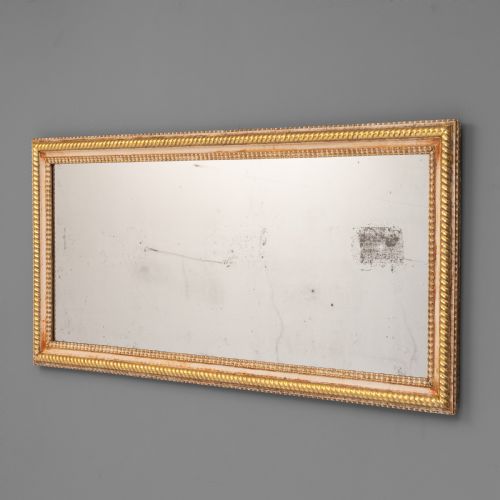
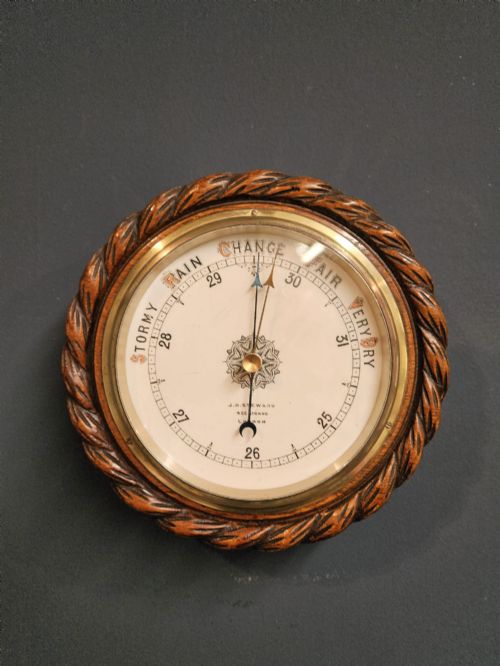
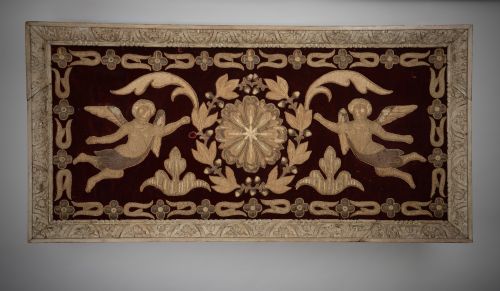
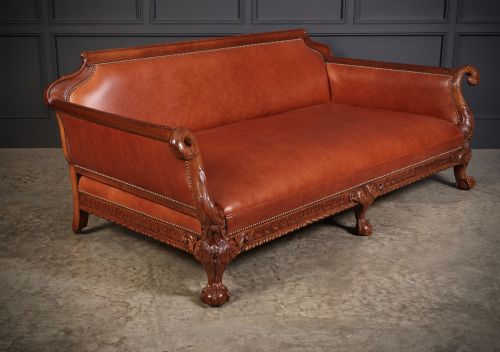
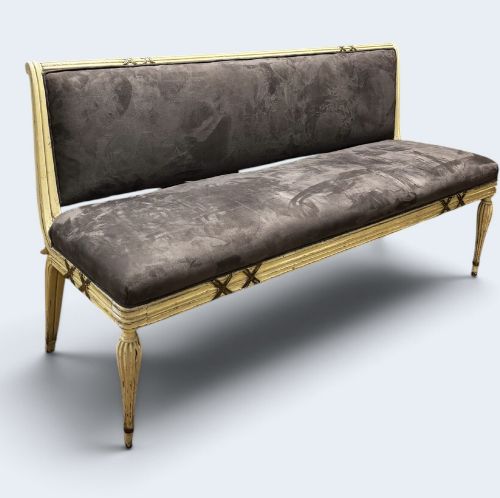
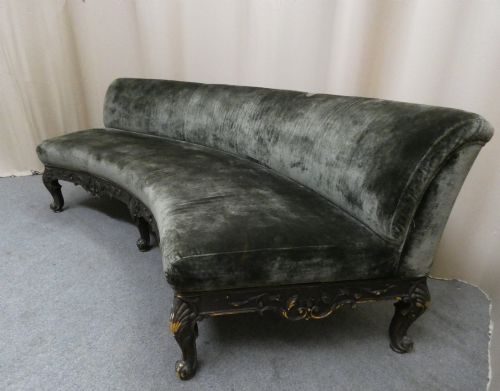
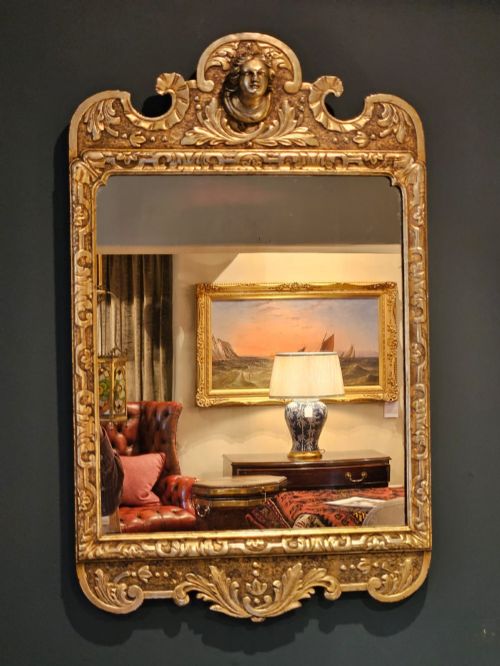
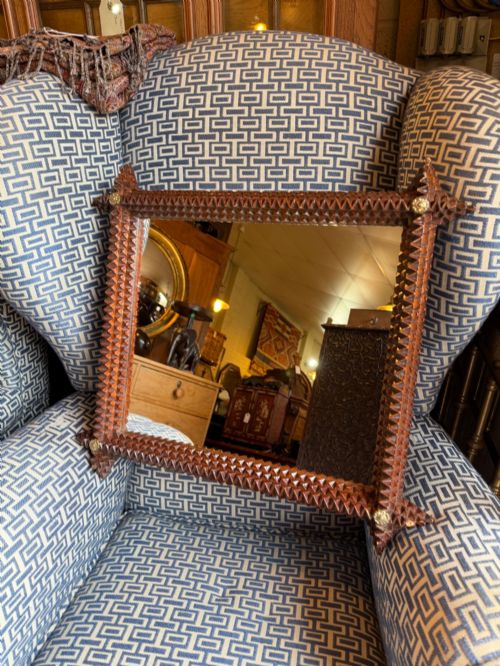
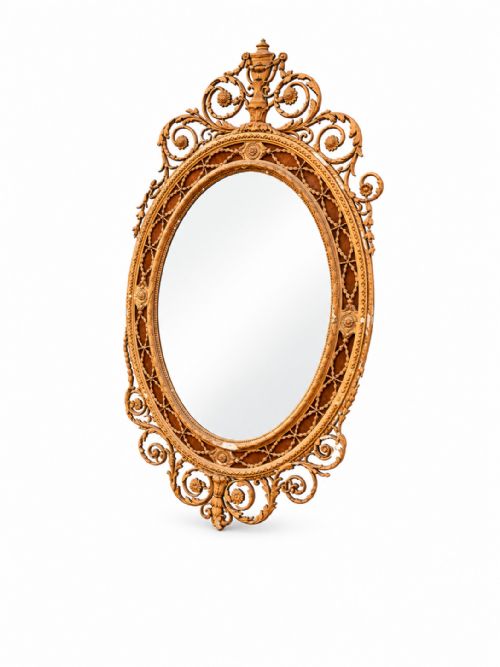
When you search for a vintage carved frame, you encounter a diverse array of objects ranging from wall mirrors and overmantels to beds, sofas and picture frames. The selection spans periods from the eighteenth century through the Victorian and Edwardian eras up to the early twentieth century, showing styles like French Rococo, Georgian, Regency and Anglo-Indian.
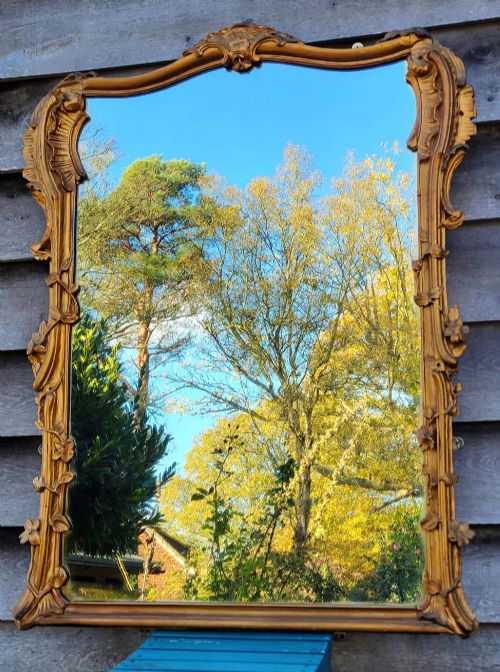
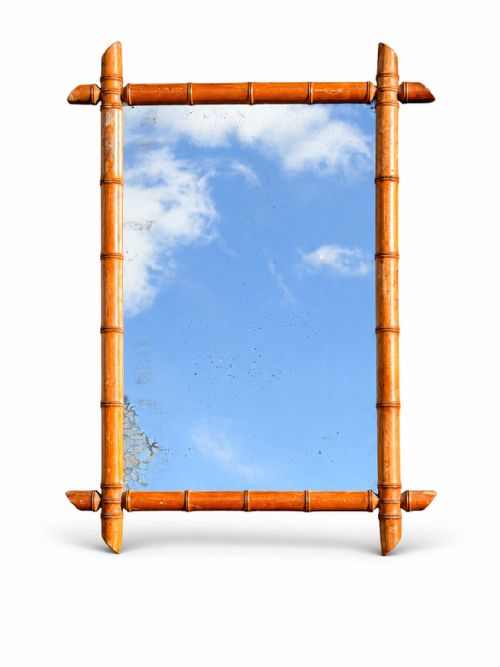
You are most likely to meet wall mirrors and picture frames on this page, often formed from giltwood, gesso and carved oak or mahogany. These pieces serve functional and decorative roles, housing glass plates or artwork while displaying intricate woodwork and surface ornamentation.
How they were made
Carpenters and cabinetmakers shaped the structural foundations of these pieces using hardwoods such as mahogany, oak and walnut, alongside softer timbers. Joinery techniques varied from simple framing to complex fretwork and structural assembly for large furniture like beds and settees.
Surface decoration frequently involved applying gesso over wood before gilding with gold leaf, creating deep fluted hollows and ornate relief motifs. Artisans also utilised brass inlays, mother of pearl and painted finishes to enrich the carved surfaces.
Vintage Carved Frame Retail Price Guide 2026
Typical asking prices for vintage carved frame among the pieces listed under this phrase on Sellingantiques today, from the lower quarter to the upper quarter. They describe what is for sale here now, not the wider market.
Listings span several timber varieties, including oak, walnut, mahogany and satinwood, alongside giltwood and gesso surface treatments.
What varies in quality
The depth and precision of the hand-carving distinguish finer examples from simpler production, particularly in the crispness of acanthus leaves, scrollwork and crests. Master carvers achieved a three-dimensional fluidity that lesser hands missed.
The integrity of the underlying gesso and giltwood surfaces dictates the visual presence of a frame over time. Thicker applications of gold leaf and well-preserved preparation layers hold their luminosity far better than worn or heavily restored finishes.
Howard & Sons Ramsden
The Vintage Carved Frame Glossary
- Giltwood
- Wood that has been coated with gold leaf or gold paint. This finish creates a reflective and opulent surface popular in formal mirror and frame design.
- Gesso
- A plaster-like mixture applied to wood surfaces as a base for gilding or painting. It accepts deep carving and moulding before the application of gold leaf.
- Fretwork
- Ornamental perforated woodwork created by cutting patterns through thin timber. It appears frequently on Georgian style mahogany mirror frames.
- Overmantel
- A large mirror or frame designed specifically to hang above a fireplace mantelpiece. These pieces often feature substantial proportions and elaborate giltwood decoration.
- Anglo-Indian
- A style reflecting nineteenth-century British influence and craftsmanship in India. It often incorporates intricate brass inlay and exotic woods into the carved frame structure.
Vintage Carved Frame: Frequently Asked Questions
How do I date a carved wooden frame?
Dating relies on identifying the underlying timber, the style of carving, and the composition of the gesso or finish. Georgian pieces often display precise fretwork, while Victorian and Edwardian examples show heavier moulded forms or specific revival styles.
Examining the construction methods at the reverse of the frame provides further clues to its age and origin. Tool marks, fixings and the type of glass used in mirrors help narrow down the period of manufacture.
Can these frames support heavy mirror glass?
Original frames constructed from dense hardwoods like oak and mahogany possess robust structural integrity suited for large glass plates. The joinery and framing depth were engineered to bear substantial weight safely.
Overmantels and large wall mirrors require secure wall fixings distributed across the main frame structure rather than relying solely on hanging wire. Professional installation ensures the weight is supported correctly.
How should I clean a giltwood frame?
Cleaning requires a soft dry brush to gently remove dust from recessed carved areas without disturbing the delicate gold leaf. Moisture and standard chemical cleaning products must be avoided to prevent stripping the historic finish.
If deeper cleaning is necessary, specialist conservation advice should be sought to preserve the underlying gesso and gilding layers. Gentle maintenance protects the patina accumulated over centuries.
Where should I hang a large carved mirror?
Large mirrors function effectively above fireplaces, low sideboards or console tables to reflect light and expand the visual space of a room. Positioning them at eye level enhances their decorative impact.
Consider the natural light sources in the room when placing a giltwood or carved frame to maximise the interplay of light across the gilded surfaces and carved relief.