




Vintage Carved Bear
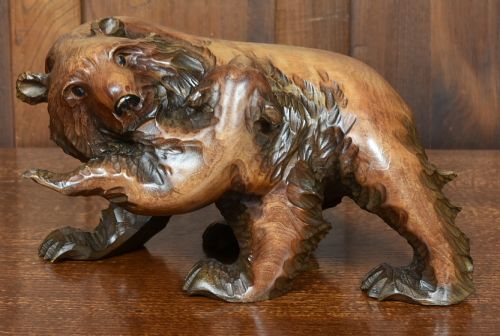
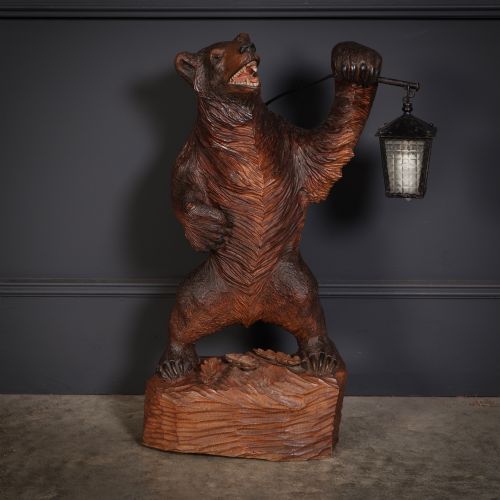
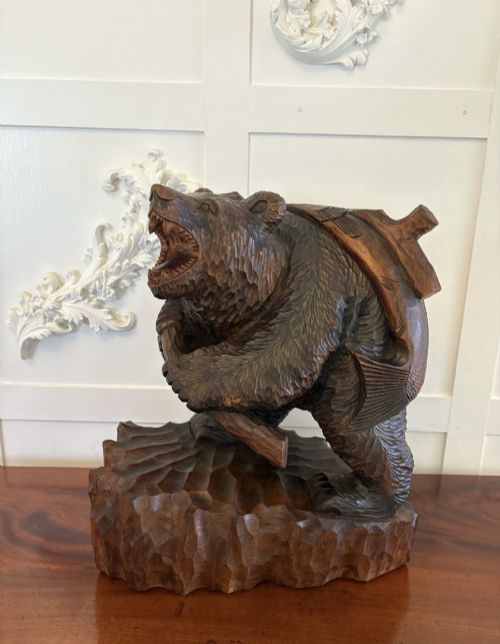
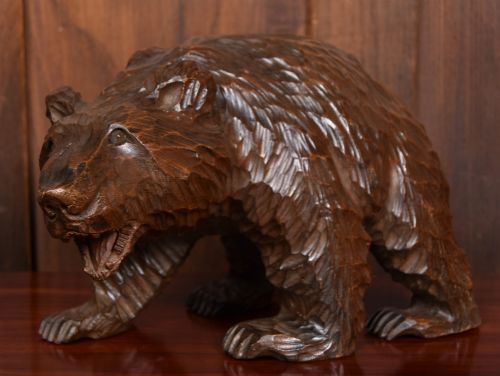
These vintage carved bear sculptures and objects span Black Forest and Japanese folk art traditions.
Vintage Carved Bear
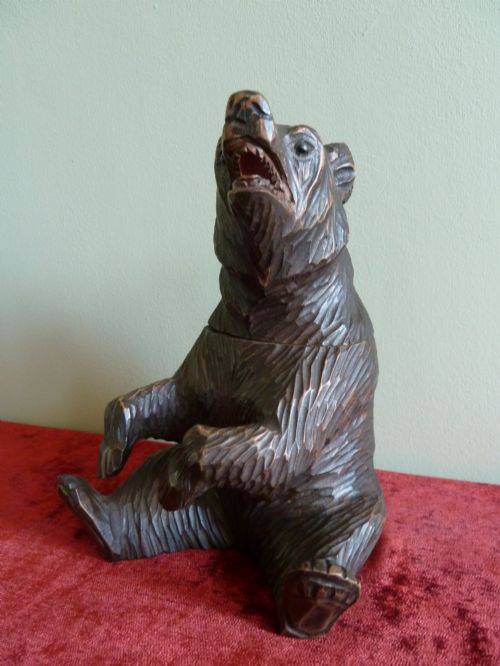
A vintage carved bear brings animal sculpture and functional objects into domestic spaces through distinct regional traditions. These pieces include Black Forest carvings from Europe and Japanese Kibori Kuma figures.
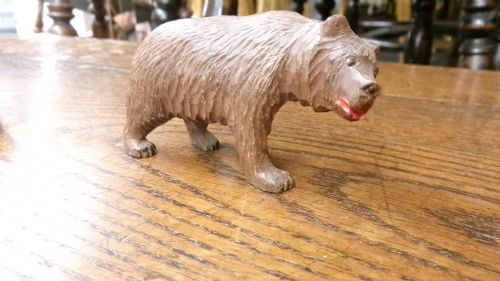
The selections here range from miniature figures and bookends to tobacco jars, humidors, table lamps, and larger hall stands. European works often utilise linden wood, whilst Japanese pieces feature cedar and other woods.
The version most likely to be met on this page is a carved wooden bear from the nineteenth century or the Edwardian period. Sculptures and figurines dominate the listings alongside utility pieces with glass or stud eyes.
How they were made
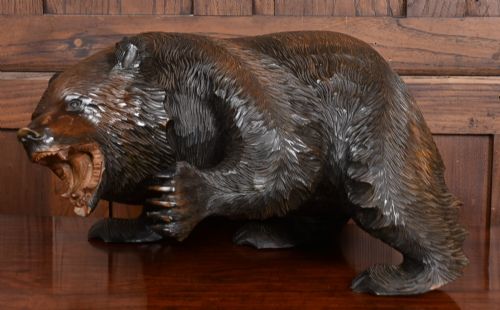
Carvers shaped these animals from hardwood, linden wood, cedar, and general carved wood using hand chisels and knives. Tool marks often remain visible beneath stains and natural finishes on the surfaces.
Makers incorporated inset elements such as metal or glass stud eyes to bring expression to the wooden faces. Functional items like tobacco boxes and table lamps integrated carved forms with hinged lids and fitted hardware.
Vintage Carved Bear Retail Price Guide 2026
Typical asking prices for vintage carved bear among the pieces listed under this phrase on Sellingantiques today, from the lower quarter to the upper quarter. They describe what is for sale here now, not the wider market.
One set gathers fifteen miniature carved bears from the nineteenth century, proving that large personalities require very little timber.
What varies in quality
Depth of carving and anatomical definition distinguish the execution of the fur, paws, and facial expressions. Master carvers rendered musculature and texture with convincing naturalism, whereas simpler pieces rely on basic silhouettes.
Scale and complexity create distinct tiers among the examples, moving from miniature figures to substantial hall stands and double stick stands. The preservation of original finishes and integrated hardware maintains the integrity of the objects.
The Vintage Carved Bear Glossary
- Black Forest
- A style of wood carving originating from the European mountain region, renowned for realistic animal sculptures. These works frequently incorporate functional elements such as humidors, bookends, and coat stands.
- Kibori Kuma
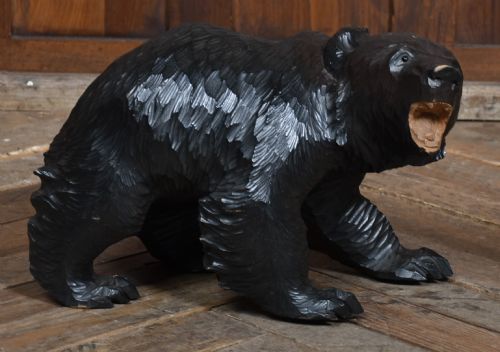
- Japanese wood-carved bear figures originating from Hokkaido folk art traditions. They often depict bears carrying fish or holding cubs in carved cedar.
- Humidor
- A moisture-controlled container designed for storing tobacco, often fashioned in the form of a carved bear with a hinged compartment. These pieces combine sculptural presence with utility.
Vintage Carved Bear: Frequently Asked Questions
What are Black Forest bears?
Black Forest bears are carved wooden sculptures and furniture pieces originating from Central Europe during the nineteenth and early twentieth centuries. They depict bears in various poses, often functioning as umbrella stands, lamps, or tobacco boxes.
Carvers utilised regional linden wood to shape realistic fur texture and expressions. These pieces reflect a specific European folk art tradition that prized detailed animal carving.
What is Kibori Kuma?
Kibori Kuma refers to traditional wooden bear carvings from Hokkaido, Japan. Many of these figures depict bears holding fish or walking on all fours.
Carved from local woods like cedar, these folk art pieces date back to the nineteenth and early twentieth centuries. They display distinct regional carving techniques separate from European traditions.
How were carved bear lamps made?
Carved bear lamps combine nineteenth or early twentieth-century woodworking with period electrical fittings or modifications. Artisans integrated lamp hardware into standing or seated bear figures carved from linden wood.
These functional objects served as lighting fixtures for Edwardian halls and studies. The wiring and fittings often reflect later adaptations to original sculptures.
How do I identify period carved bears?
Period identification relies on wood types, hardware, and regional carving characteristics. Nineteenth-century examples often display hand-carved tool marks and glass or metal stud eyes.
European Black Forest pieces and Japanese Kibori Kuma utilise different timbers like linden wood or cedar. Examining the finish, wear patterns, and structural joinery helps determine the age of the piece.