







Vintage Cart Wheels
Vintage cart wheels bring industrial character to interiors, offering sturdy timber and iron construction from the nineteenth and twentieth centuries.
Vintage Cart Wheels
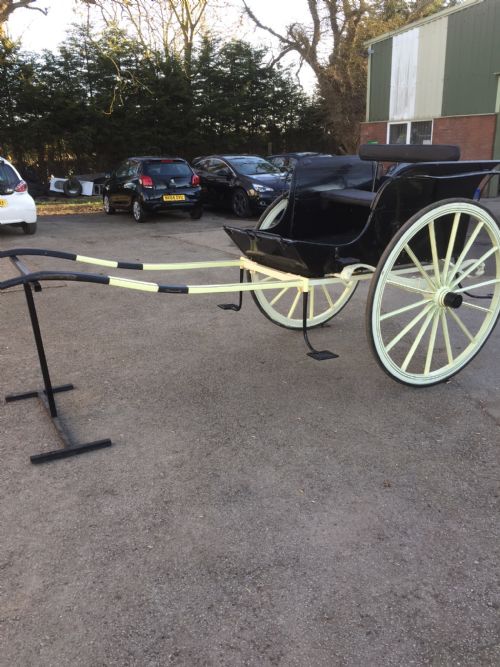
Vintage cart wheels span functional agricultural artefacts from the nineteenth century, including large Victorian cast iron and wooden specimens alongside specific two wheel trap examples. Buyers searching for vintage cart wheels encounter robust structural components and architectural salvage pieces that reflect heavy utilitarian use.
The selections combine rustic outdoor elements with indoor decorative items, bridging agricultural heritage and interior styling. These objects show the transition of wheelwright techniques from the eighteen-fifties through to the Edwardian period and nineteen-thirties.
How they were made
Construction relies upon traditional combinations of wood and metal, notably oak, iron, and cast iron. Master wheelwrights joined timber felloes and spokes before securing them with heavy iron tyre bands.
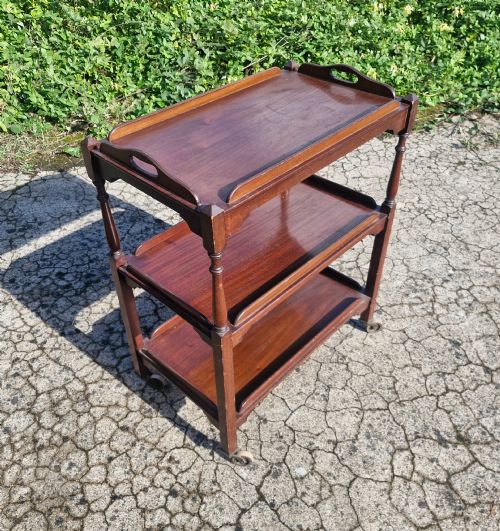
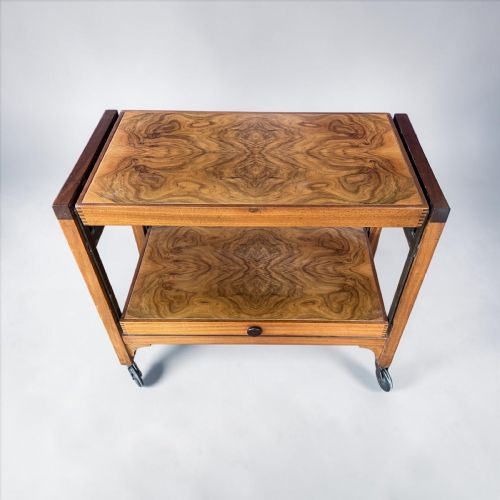
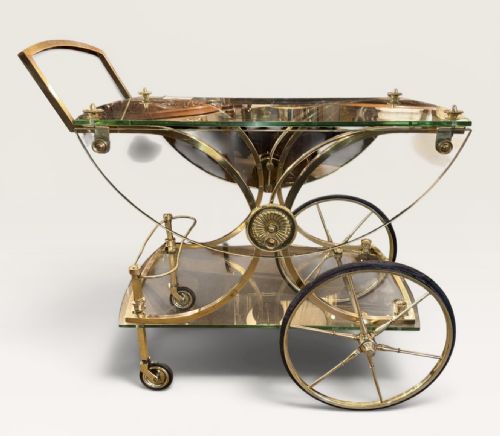
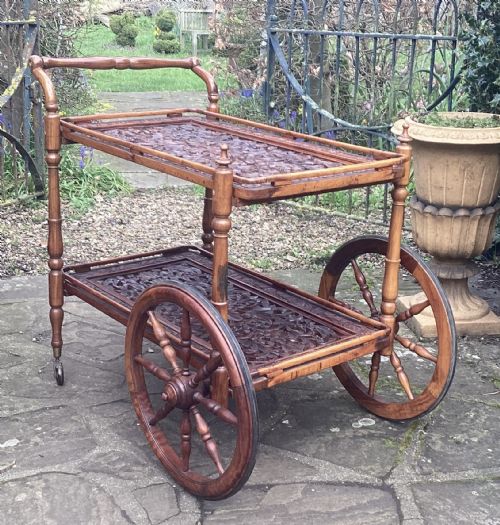
Materials such as brass and mahogany appear on related rolling serving pieces from the nineteen-twenties and nineteen-thirties, showing finer joinery and metalworking techniques compared to purely agricultural items.
Vintage Cart Wheels Retail Price Guide 2026
Typical asking prices for vintage cart wheels among the pieces listed under this phrase on Sellingantiques today, from the lower quarter to the upper quarter. They describe what is for sale here now, not the wider market.
Listings feature items from the 1850s, Victorian, Edwardian, and 1930 periods, incorporating wood, iron, and brass.
What varies in quality
Quality rests upon the integrity of the timber and the original state of the metal components, distinguishing genuine working agricultural salvage from later decorative interpretations. Pieces retaining their original surface patination and authentic wear show superior craftsmanship.
Proportion and scale dictate the visual impact of each wheel, with larger Victorian pairings offering distinct architectural presence compared to smaller single agricultural specimens.
Maison Bagues·Aldo Tura·Cecil Charles Windsor Aldin
The Vintage Cart Wheels Glossary
- Felloe
- The curved segments of wood that form the outer rim of a traditional wheel, held together by an outer metal tyre.
- Cast iron
- An iron alloy poured into a mould to create rigid structural elements, frequently found in Victorian wheel hubs and brackets.
- Agricultural salvage
- Items rescued from farming and rural contexts, repurposed for decorative display or interior architecture.
- Trap
- A light two wheeled horse-drawn carriage associated with nineteenth century rural transport.
Vintage Cart Wheels: Frequently Asked Questions
How do I date vintage cart wheels?
Dating relies upon examining the manufacturing methods, such as hand-hammered iron tyres versus machine-rolled steel, and the type of wood used in the construction. Nineteenth-century examples often display hand-shaped spokes and heavy ironwork distinct from later twentieth-century items.
Contextual clues like mounting brackets or remnants of paint finishes also help determine whether a wheel originates from the Victorian era or the Edwardian period.
Can vintage cart wheels be used outdoors?
Most wooden and iron wheels originated in agricultural settings and withstand outdoor environments well, provided the timber is treated against moisture. Placing them in gardens or patios highlights their original utilitarian purpose.
Continued exposure to damp conditions will accelerate weathering on the timber components, so applying a protective sealant preserves the original material integrity.
What woods were used for cart wheels?
Wheelwrights selected durable hardwoods capable of enduring severe stress and weight loads. Oak remains the most common timber found in heavy cart and wagon construction due to its strength.
Other dense timbers provided structural resilience, ensuring the spokes and felloes resisted splitting under heavy loads across rough terrain.
How are cart wheels mounted for display?
Displaying large wheels typically involves custom metal floor stands that secure the heavy iron tyre without damaging the original wood. This method allows the piece to stand upright safely indoors.
Wall mounting requires substantial fixings attached directly to the wall studs to support the considerable weight of cast iron and solid timber components.