





Vintage Carpenter Box
A vintage carpenter box offers honest utility and tactile history, making it a rugged addition to any room.
Vintage Carpenter Box
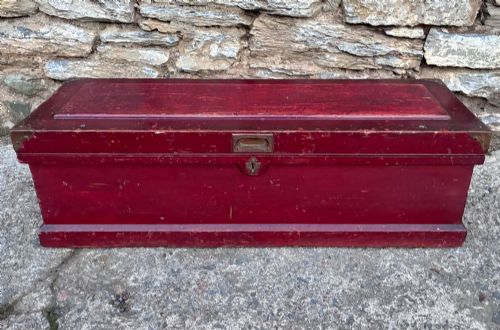
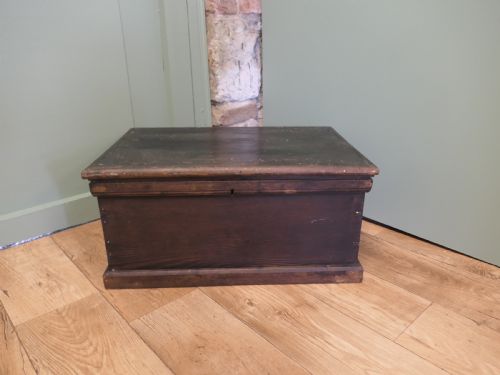
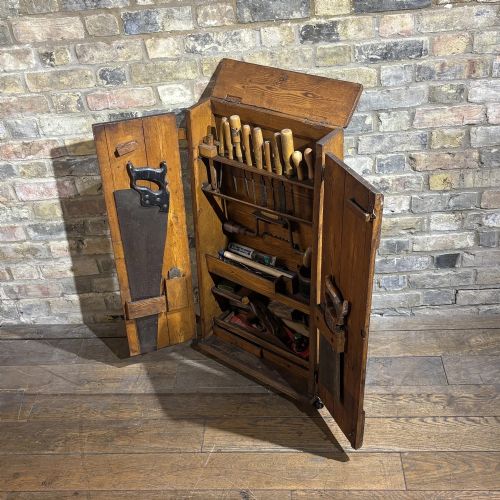
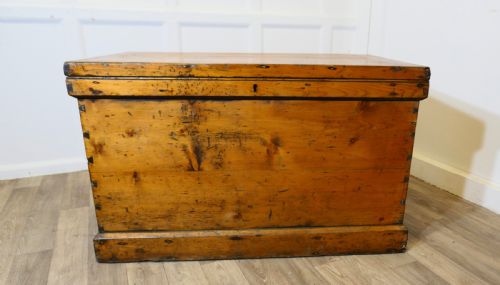
A vintage carpenter box encompasses working storage units built for tradesmen, including pine chests, elm joiner boxes, and pitch pine portable tool cabinets. These utilitarian pieces span the Georgian, Victorian, and Edwardian eras, alongside related items such as shipwrights' trunks and ship's tansu chests.
Most examples encountered on this page originate from the nineteenth century or around nineteen hundred, constructed primarily in pine, oak, and elm. Their primary function was the secure transport and storage of hand tools for carpenters, joiners, and cabinet makers.
Buyers also find associated items like heavy iron door locks, brass-fitted chests repurposed as coffee tables, and industrial loft pieces. The selection focuses firmly on functional wooden trunk and chest formats used by working craftsmen.
How they were made
Construction relies heavily on sturdy timbers such as solid pine, pitch pine, oak, and elm, selected for durability in a working environment. These woods are frequently joined with robust corner joints to withstand the heavy weight of metal hand tools.
Hardware forms an integral part of the manufacture, incorporating iron door locks, metal fittings, rope handles, and secure keys. Ebonised finishes and darkened pine treatments appear alongside natural timber surfaces that show the marks of daily labour.
Vintage Carpenter Box Retail Price Guide 2026
Typical asking prices for vintage carpenter box among the pieces listed under this phrase on Sellingantiques today, from the lower quarter to the upper quarter. They describe what is for sale here now, not the wider market.
Object types range from working oak box locks and door hardware to large carpenter chests and Japanese ship's tansu trunks.
What varies in quality
The distinction between standard utility boxes and superior examples lies in the choice of timber, such as dense pitch pine or figured elm, and the sophistication of the joinery. Original working locks, keys, and robust iron hardware elevate the integrity of a piece.
Condition and patination dictate the character of the box, with untouched surfaces retaining the honest marks, paint splatters, and wear of the original workshop environment. Pieces that retain their internal compartment configuration or specialised tool racks offer greater historical completeness.
The Vintage Carpenter Box Glossary
- Pitch pine
- A resinous softwood known for its durability and distinct grain pattern, frequently utilised in nineteenth-century portable tool cabinets.
- Joiner
- A traditional craftsman who constructs wooden items such as furniture and cabinetry, requiring specialised storage for fine hand tools.
- Ebonised
- Wood treated with a chemical stain or finish to imitate ebony, providing a deep black surface often found on Victorian trunks.
- Tansu
- A traditional Japanese mobile chest of drawers or storage cabinet, occasionally appearing alongside British maritime equivalents.
- Box lock
- A self-contained mechanical locking mechanism fitted directly to the surface or recessed into the wood of a chest.
Vintage Carpenter Box: Frequently Asked Questions
What were vintage carpenter boxes used for originally?
These boxes served as portable storage for tradesmen to transport saws, chisels, planes, and measuring instruments safely between work sites. Carpenters relied on them to keep expensive hand tools protected from damp conditions and theft.
Over time, many of these utilitarian chests became permanent fixtures in workshops before finding a second life in domestic interiors as storage furniture or coffee tables.
How do I date a nineteenth-century tool chest?
Dating relies on examining the construction methods, timber types, and hardware fixtures associated with specific periods like the Georgian or Victorian eras. Hand-cut dovetails, forged iron locks, and specific wood varieties such as pitch pine or elm provide reliable chronological clues.
Makers often left inscriptions, label fragments, or distinct structural marks that help narrow down the decade of manufacture.
Can I use a carpenter chest as a coffee table?
Many sturdy pine and oak chests feature flat lids and low profiles that make them ideal for placement in living spaces. Their interior compartments also offer hidden storage for household items.
Placing glass on top or simply leaving the worn wooden surface exposed allows the patinated finish to function as a focal point in an interior.
Are these chests heavy to move around?
Solid timber construction using thick pine, oak, or elm combined with iron hardware makes these trunks remarkably heavy and solid. Many feature original rope handles or metal side brackets designed for two-person lifting.
Once positioned in a room, their substantial weight ensures they remain stable and secure.