

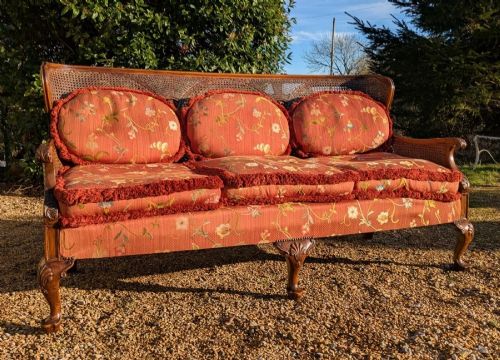


Vintage Caned Sofa
A vintage caned sofa brings tactile warmth and historic charm to a room, offering woven seating solutions rooted in French design and colonial craftsmanship.
Vintage Caned Sofa
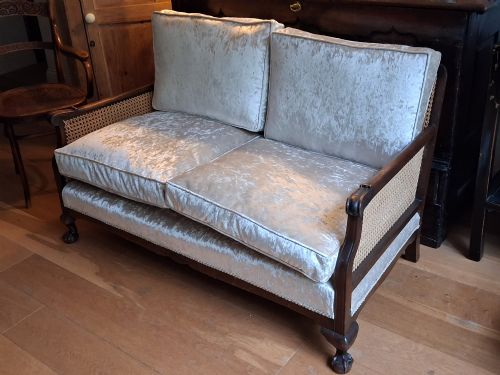
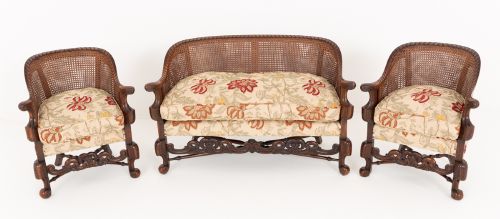
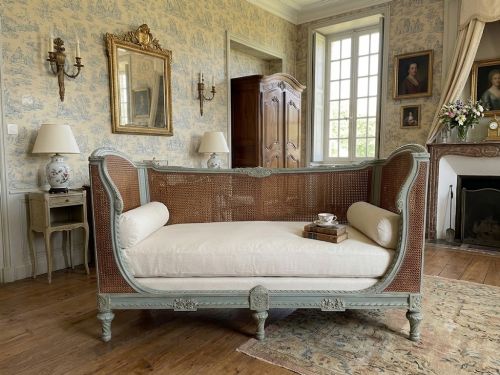
When you search for a vintage caned sofa, you encounter a selection of historic seating pieces spanning from the nineteenth century into the twentieth century. These include daybeds, love seats, and larger settees designed for formal rooms and intimate spaces alike.
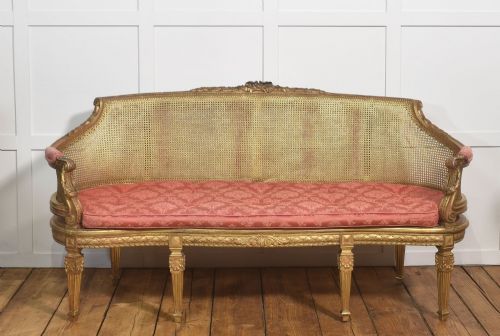
The most common examples you meet on this page are French bergère sofas and Louis XVI style painted or giltwood settees originating from around nineteen-ten. Pieces draw heavily on classical revivals, featuring carved wooden frames paired with woven cane panels.
Beyond continental designs, the selection incorporates Anglo-Indian hardwood daybeds and bentwood forms such as the Thonet bench loveseat. Each object balances structural timber with the light, airy texture of woven plant material.
How they were made
Master craftsmen shaped solid timbers such as walnut, beech, and exotic hardwoods to construct the rigid skeleton of each sofa and settee. Frames frequently received decorative treatments including paint, giltwood, or bleaching to alter the visual weight of the wood.
Cane panels were hand-woven through drilled holes along the frame margins, creating flexible yet resilient backing and side panels. Upholstered elements relied on traditional materials like feather cushions, fabric, velvet, and linen placed over the main structure.
Vintage Caned Sofa Retail Price Guide 2026
Typical asking prices for vintage caned sofa among the pieces listed under this phrase on Sellingantiques today, from the lower quarter to the upper quarter. They describe what is for sale here now, not the wider market.
One extraordinary seating piece originates directly from the ballroom of the RMS Queen Elizabeth ocean liner.
What varies in quality
The integrity of the woven cane work dictates much of the physical distinction between pieces, with tight, uniform strands demonstrating superior historical execution. Frame carving depth and the preservation of original paint or gilding surface finishes further separate standard examples from finer works.
Material choice shifts quality tiers, moving from simple beech frames to richly carved walnut or dense Anglo-Indian hardwoods. The presence of original upholstery details like feather cushions and intact secondary woods adds historical depth to individual seating items.
The Vintage Caned Sofa Glossary
- Bergere
- An enclosed upholstered armchair or sofa featuring wooden frames and cane-woven sides. These comfortable seats became popular in eighteenth-century France and inspired later revival pieces.
- Canapé
- A French term for a decorative sofa or settee designed for multiple occupants. They often mirror the stylistic details of matching armchairs from the same period.
- Giltwood
- Timber treated with a thin layer of gold leaf or gilt finish. This decorative technique enhanced the opulent appearance of formal revival furniture.
- Daybed
- A long seating item combining the functions of a chair and a bed for resting. Historical variants frequently incorporated woven cane panels along the back and ends.
Vintage Caned Sofa: Frequently Asked Questions
How do I care for cane seating?
Keep woven cane panels away from direct heat sources and moisture to prevent the natural material from drying out and snapping.
Dust the woven sections regularly with a soft brush and occasionally dampen the underside lightly to maintain flexibility in drier indoor environments.
Are these sofas comfortable to sit on?
Many examples include loose feather cushions placed over the cane base or sprung seat foundations to provide substantial cushioning for everyday lounging.
The supportive woven panels offer a firm yet yielding structure that adapts slightly to the body during extended periods of sitting.
What is a bergere sofa?
A bergere sofa is a traditional seating design characterised by enclosed wooden sides filled with intricate cane work rather than solid upholstery.
Originating in France, these pieces frequently feature exposed carved frames and low profiles suited for drawing rooms and salons.
Where were these daybeds placed?
Historical daybeds and settees served dual purposes in grand homes, functioning as daytime resting spots in bedrooms, boudoirs, and reception halls.
Their decorative wooden frames and open cane structures allowed them to sit centrally within a room without blocking light or obstructing views.