






Vintage Cane Stool
A vintage cane stool brings texture and lightweight utility to a room, ranging from simple turned beech seats to carved French window seats.
Vintage Cane Stool
A vintage cane stool encompasses low footstools, tall bar seats, and long window benches, often framed in beech or mahogany. Buyers searching this phrase encounter pieces dating from the late nineteenth century up through the nineteen-twenties, reflecting both British and French workshop traditions.
The most common examples on this page are French painted or carved seating projects alongside simpler turned beech and bentwood items. Forms vary from square caned top tables and footstools to expansive banquettes and gout stools.
Origins stretch from nineteenth-century designs to early twentieth-century revivals, including Louis XVI Neoclassical, Régence, and Victorian styles. These pieces function equally well as low coffee tables or auxiliary seating.
Materials and construction
Makers built these frames using solid hardwoods like mahogany, oak, and beech, frequently shaping the beech through steam-bent techniques or hand-carving. Painted and white-painted wood finishes appear alongside polished mahogany and natural oak grains.
The defining feature across the selection is woven cane work, often referred to as bergere, secured directly into channels or frames drilled into the timber. Joinery relies on traditional turning and pegged construction rather than modern fasteners.
Vintage Cane Stool Retail Price Guide 2026
Typical asking prices for vintage cane stool among the pieces listed under this phrase on Sellingantiques today, from the lower quarter to the upper quarter. They describe what is for sale here now, not the wider market.
Gout stools feature specialised slanted caned surfaces designed to elevate weary ankles in nineteenth-century parlours.
Assessing quality and finish
Quality reveals itself in the crispness of the timber carving and the tightness of the hand-woven cane mesh. Finer pieces demonstrate precise turning on beech legs or intricate decorative carving on French frames.
The integrity of the structural timber determines longevity, separating sturdy antique frames from compromised pieces requiring extensive restoration. Original upholstery details and intact woven seats elevate the standing of a piece.
Thonet
The Vintage Cane Stool Glossary
- Cane
- Woven material made from the peeled bark of rattan palms, utilised for flexible and breathable seat panels. It provides a lightweight yet durable surface.
- Bentwood
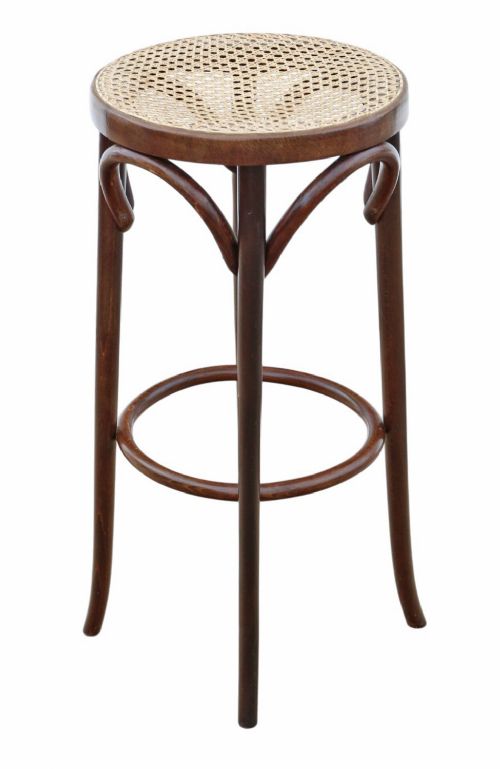
- Wood shaped by steaming it until pliable and bending it into curved forms, commonly seen in nineteenth-century bistro and high stool production. This technique creates strong, seamless curves.
- Bergere
- An upholstered or cane-panelled wooden frame style originating in France, featuring enclosed sides. It offers both support and decorative elegance.
- Banquette
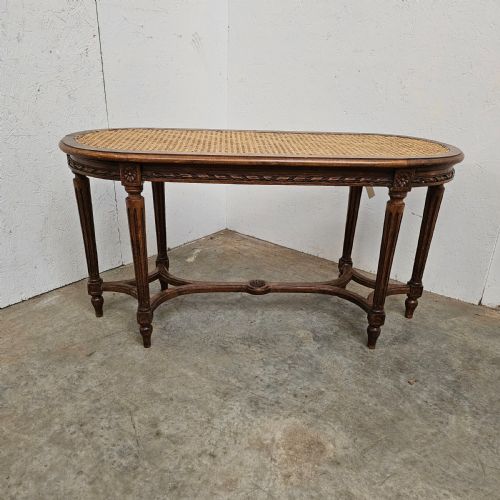
- A long upholstered or caned bench seat, frequently designed for placement beneath windows or against walls. These pieces often feature carved wooden frames.
Vintage Cane Stool: Frequently Asked Questions
What is a cane footstool?
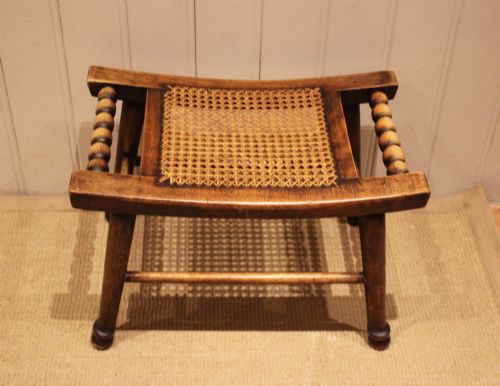
A cane footstool is a low timber-framed seat with a woven cane top, designed to support the feet when resting in an armchair.
These pieces often date from the late nineteenth and early twentieth centuries, constructed from woods like oak, mahogany, or turned beech.
How do I clean a cane seat?
Cleaning woven cane requires a soft brush or vacuum attachment to remove dust from the interstices without damaging the fragile plant fibres.
Occasionally wiping the cane with a damp cloth maintains moisture levels and prevents the material from becoming brittle over time.
Can these stools serve as tables?
Square caned stools and low benches frequently double as coffee tables or magazine stands, especially items built with sturdy mahogany or oak tops.
Placing a rigid tray on top protects the woven cane surface from direct spills and heavy objects.
How are different periods identified?
Periods are identified by examining the framing style, such as French Régence curves or Edwardian mahogany lines, alongside the turning methods on the legs.
Turned beech and bentwood examples often point to early twentieth-century production, while hand-carved painted beech frequently dates to the nineteenth century.