

Vintage Cane Stick
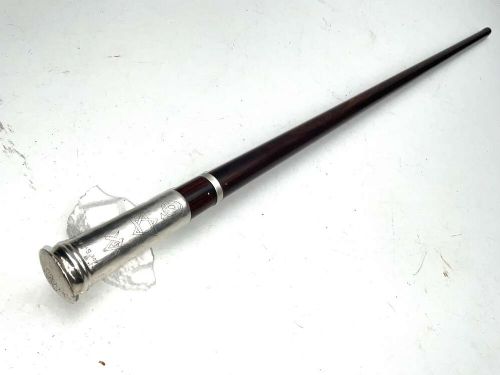
These vintage cane stick pieces span walking canes, swagger sticks and hall stands from the Victorian and Edwardian eras.
Vintage Cane Stick
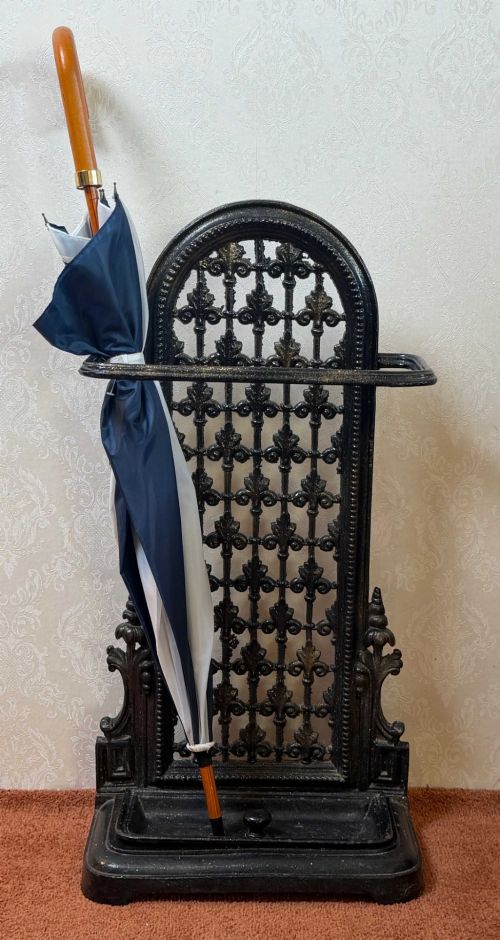
A vintage cane stick encompasses both the walking aids and the hall stands used to house them during the nineteenth and early twentieth centuries. Buyers seeking this phrase encounter personal items like silver-mounted bamboo canes alongside heavy reception hall umbrella stands made from cast iron or oak.
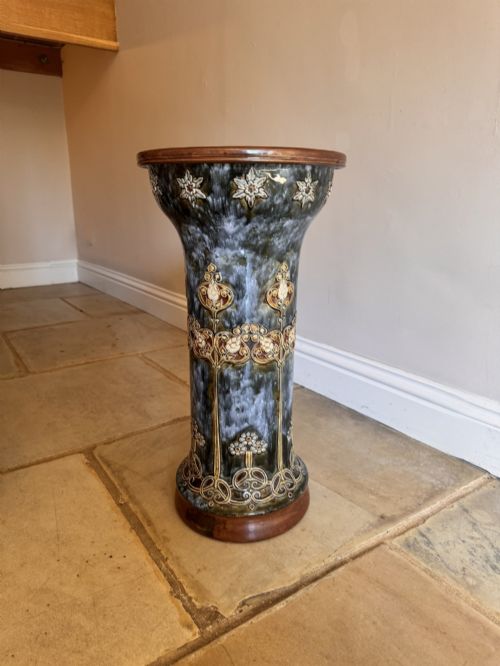
The material record divides clearly between domestic furniture and personal accessories. Hall furniture takes the form of oak, mahogany and cast iron stands, while the walking sticks themselves utilise bamboo, wood, horn and precious metals.
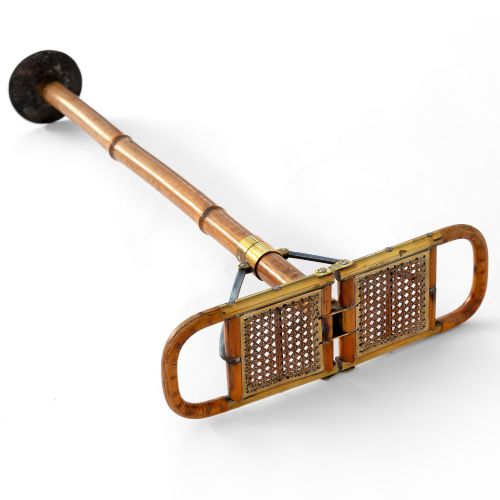
Originating across Victorian and Edwardian periods, these objects reflect the formal accessories of gentlemen and ladies. Pieces range from simple rustic wooden holders to sophisticated folding shooting sticks and silver-topped walking canes.
Materials and construction methods
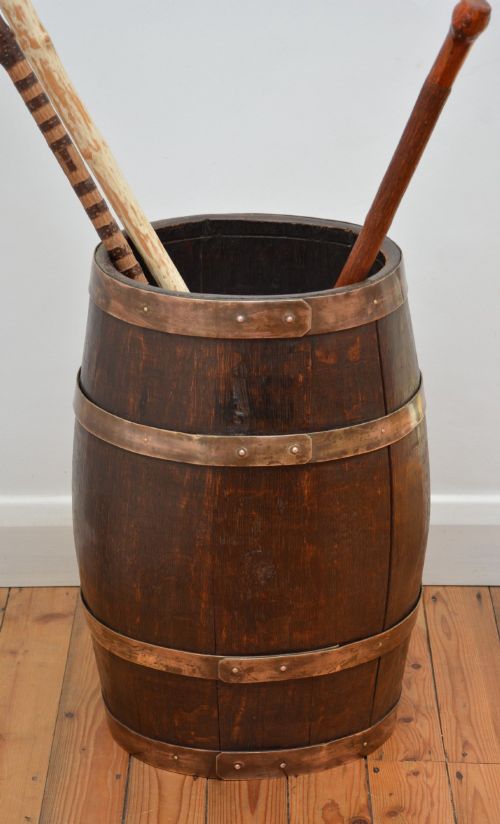
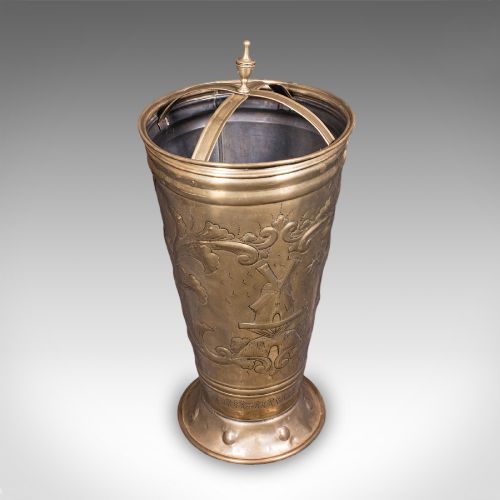
Makers utilised rigid structural materials like cast iron, brass and oak for hall stands to support the weight of wet umbrellas and heavy walking sticks. Metal frames often incorporated drip trays and decorative loop divisions to keep the hallway tidy.
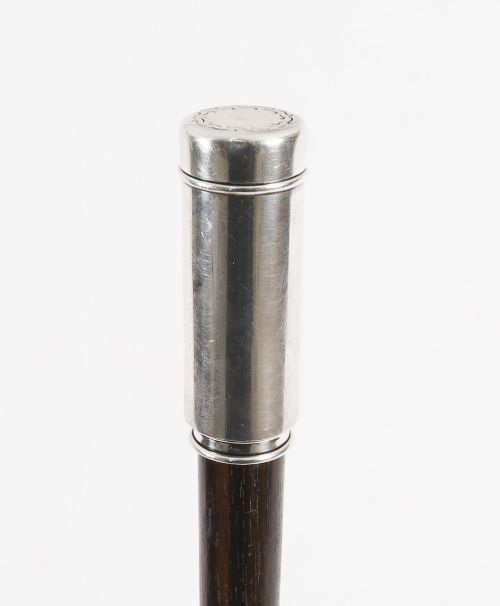
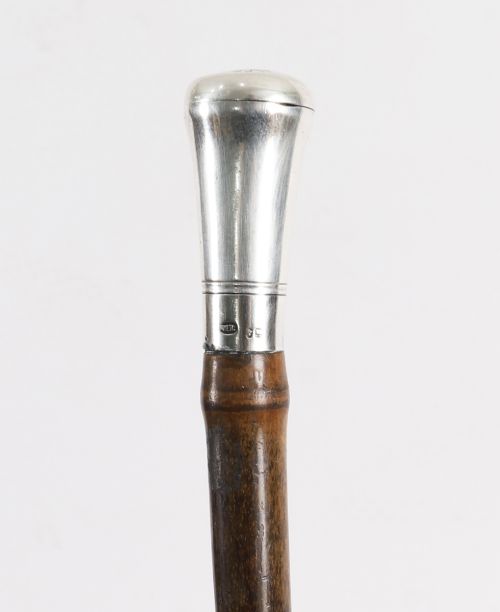
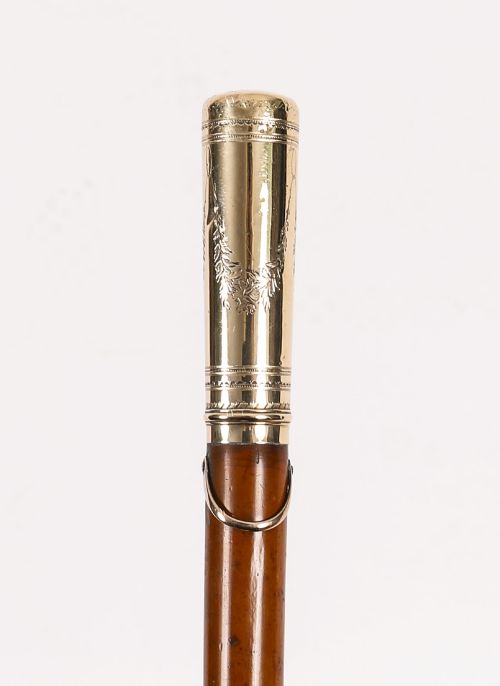
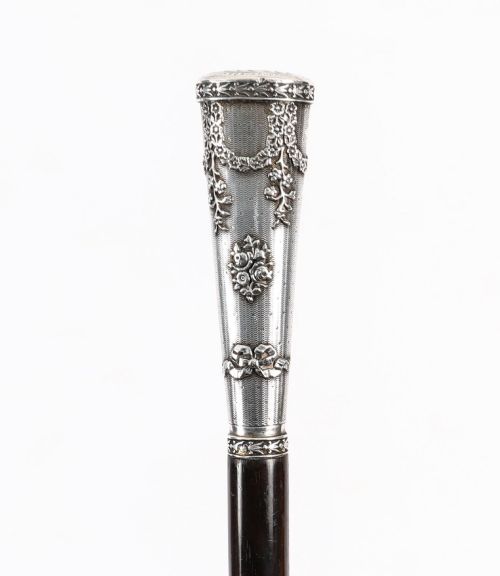
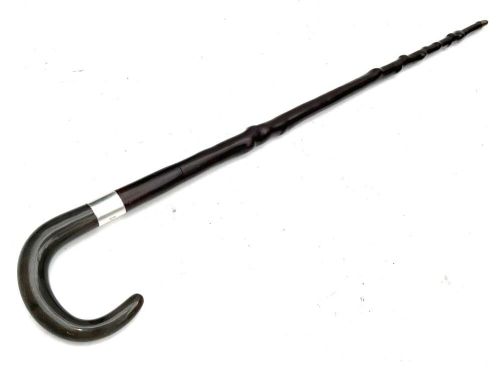
Personal canes combined natural timber, bamboo and horn shafts with mounted pommels in sterling silver, gold and brass. Artisans fastened handles securely to shafts using threaded collars, internal pins and silver wire work.
Vintage Cane Stick Retail Price Guide 2026
Typical asking prices for vintage cane stick among the pieces listed under this phrase on Sellingantiques today, from the lower quarter to the upper quarter. They describe what is for sale here now, not the wider market.
Listings feature items spanning the Victorian, Edwardian, Aesthetic Movement and Arts and Crafts styles.
Judging the quality of a vintage cane stick
Quality rests upon the integrity of the materials and the execution of detail. A hall stand cast with crisp architectural ornamentation or constructed from solid oak displays superior workmanship compared to utilitarian alternatives.
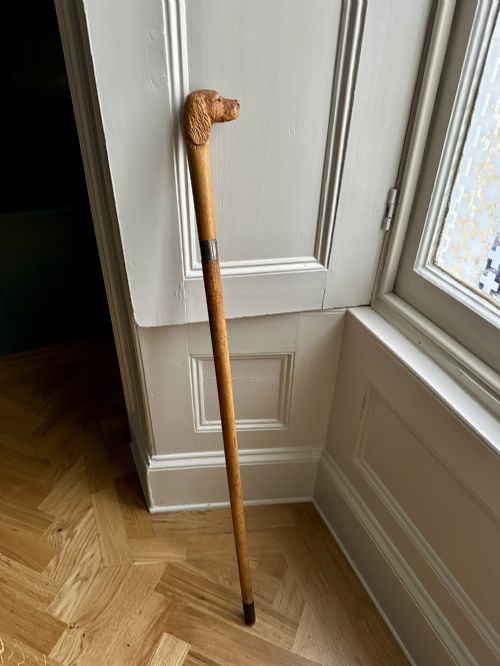
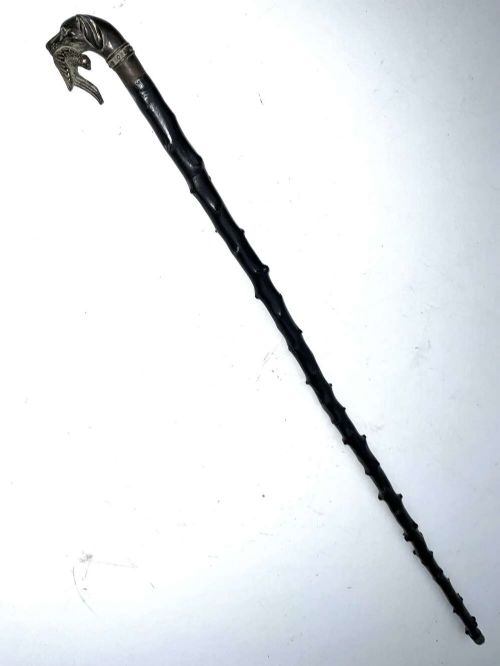
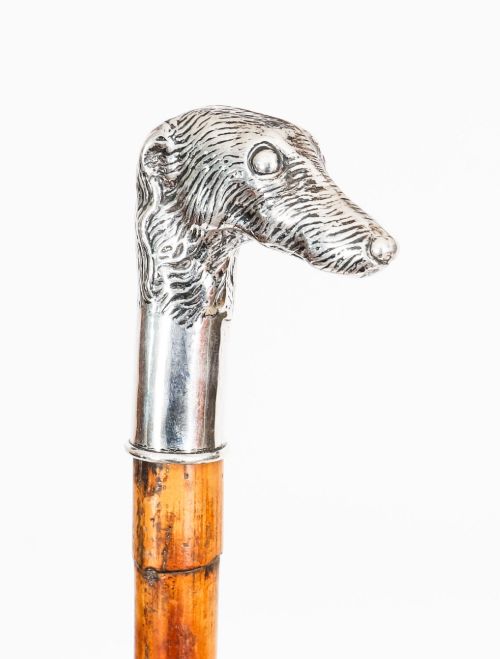
Walking sticks show distinction in the fineness of the metalwork on pommels and the natural patination of the bamboo or wood shaft. Intricate animal carvings, precious metal hallmarks and specialised mechanisms elevate individual pieces.
Thomas Johnson·Briggs·Burmantofts Faience·Liberty Design
The Vintage Cane Stick Glossary
- Pommel
- The handle or knob at the top of a walking stick or cane. These often take the form of carved animal heads or engraved precious metal.
- Shooting stick
- A portable walking cane that unfolds into a small outdoor seat. These combine bamboo or metal shafts with folding leather or fabric seats.
- Swagger stick
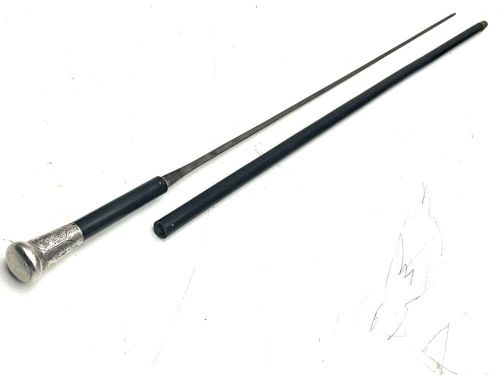
- A short, light cane carried by officers and gentlemen. They occasionally conceal hidden blades or daggers within the shaft.
- Barley twist
- A spiral turning technique applied to wooden furniture legs and hall stands. This decorative form appears frequently on Edwardian oak stands.
- Hall stand
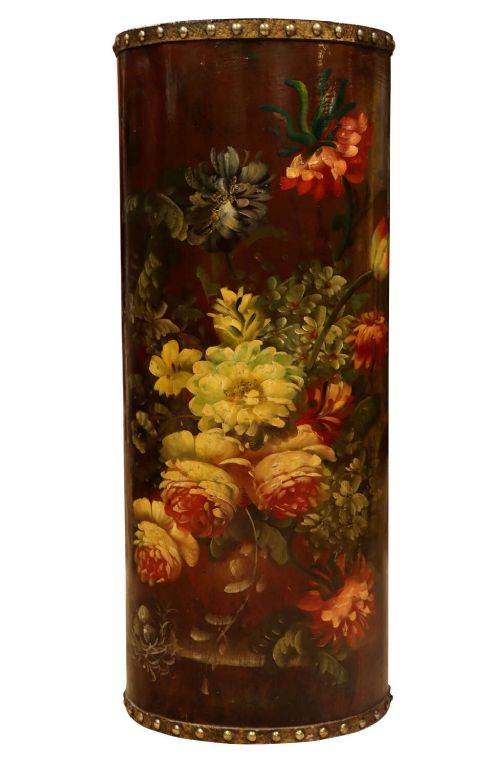
- A piece of furniture placed in an entranceway to hold umbrellas, walking sticks and coats. They utilise materials like cast iron, brass and oak.
Vintage Cane Stick: Frequently Asked Questions
What is a vintage cane stick used for today?
These items serve both practical storage and decorative display roles within a home. Hall stands organise umbrellas and walking sticks in an entryway, while individual canes act as collectible decorative objects.
Collectors appreciate the craftsmanship of nineteenth-century metalwork and woodwork. Many display personal canes in specialist stands or cabinets alongside other historical accessories.
How do I distinguish Victorian from Edwardian pieces?
Victorian examples often feature heavier cast iron construction, dark carved mahogany and ornate decorative detailing. They reflect nineteenth-century tastes for robust hall furniture and formal accessories.
Edwardian pieces tend toward lighter oak construction, simpler lines and Arts and Crafts influences. The transition into the early twentieth century introduced brighter brass work and cleaner geometric forms.
Are sword sticks legal to own?
Sword sticks conceal a blade within the wooden or bamboo shaft. Ownership regulations vary significantly by region and jurisdiction regarding antique weapons.
Buyers should examine local legal requirements before acquiring any walking stick that incorporates a concealed blade or dagger.
What materials are common in these items?
Hall stands predominantly utilise cast iron, brass, oak and mahogany. These durable materials withstand daily domestic use and heavy umbrella frames.
Walking sticks incorporate natural bamboo, various hardwoods, horn, sterling silver and gold pommels. Artisans combined these elements to produce both utilitarian and decorative personal items.