




Vintage Cabinet of Curiosities
A vintage cabinet of curiosities brings together natural history specimens, scientific models and antique artefacts to fill shelves with wonder.
Vintage Cabinet of Curiosities
A vintage cabinet of curiosities gathers disparate objects from the natural world, medical history and traditional craftsmanship into a single display. These items originate across the eighteenth, nineteenth and twentieth centuries, reflecting a long tradition of collecting and studying unusual specimens.
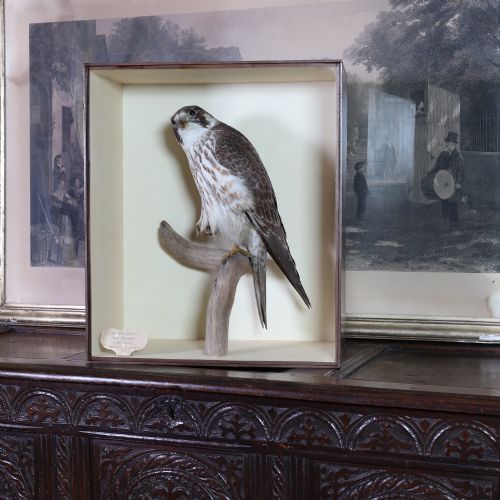
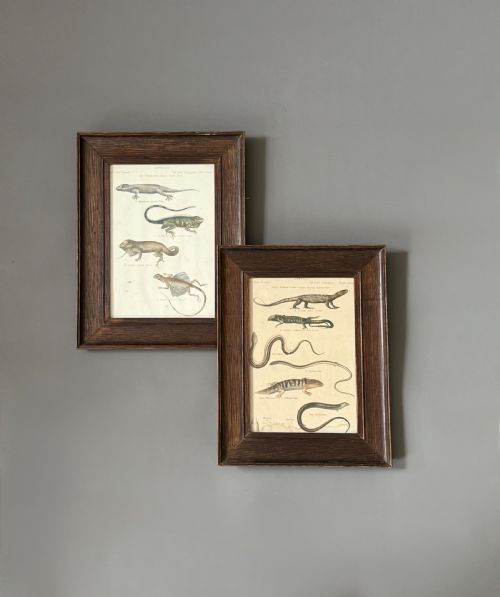
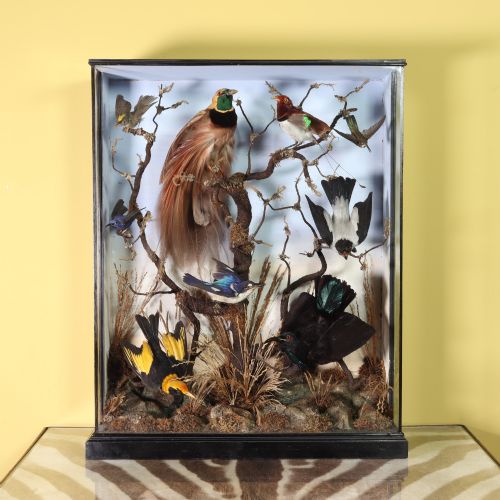
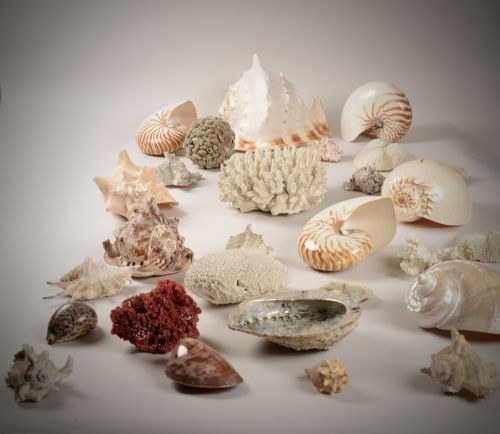
Buyers encounter framed engravings of reptiles, taxidermy birds under glass domes, anatomical models in wax and paper, and carved marine specimens such as turtle shell and coral. Furniture forms include mahogany vitrine display tables and tall glass showcases designed specifically to house these items.
The aesthetic draws from Victorian natural history and scientific collections, mixing biological specimens with handmade models and stage props. Each piece serves as a physical record of past scientific inquiry and domestic display habits.
Materials and construction
Makers utilised wood, glass, brass and mahogany to construct the vitrines, display tables and protective domes that preserve fragile specimens. Cabinetry from the Edwardian and Victorian periods frequently incorporates glazed panels and inlaid woodwork to showcase the contents clearly.
Organic materials such as bone, antler, silver, paper and shell form the physical substance of the artefacts, engravings and sculptures. Taxidermy specimens combine preserved skins and feathers with internal mounts, whilst anatomical models employ wax, plaster and painted paper.
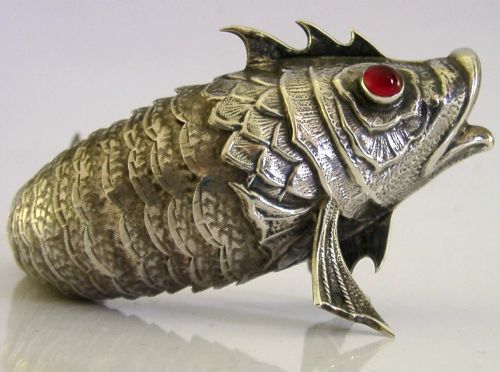
Artisans applied hand-colouring to copperplate engravings and sculpted metals into detailed animal forms using traditional casting methods. Each material reflects the dominant manufacturing techniques of its respective century, from Georgian instrument making to early twentieth-century teaching aid production.
Vintage Cabinet of Curiosities Retail Price Guide 2026
Typical asking prices for vintage cabinet of curiosities among the pieces listed under this phrase on Sellingantiques today, from the lower quarter to the upper quarter. They describe what is for sale here now, not the wider market.
Listings feature 19th-century human medical examples, anatomical charts, and taxidermy specimens spanning the Victorian period to the mid-twentieth century.
Assessing quality
The standard of a piece rests on the precision of its preservation and the accuracy of its manufacture, particularly visible in taxidermy mounting and anatomical modelling. Natural history specimens retain their original coloration and structural integrity more successfully when taxidermists and makers apply superior preservation methods.
Cabinetwork quality is evident in the selection of timbers like mahogany, the clarity of the protective glass domes, and the joinery of display vitrines. Finer examples display meticulous hand-finishing on metal castings, engravings and carved bone or shell components.
Documentation and provenance elevate certain items, particularly when makers, publishers or taxidermy firms are identified through signatures, labels or historical records. The visual coherence of a grouped collection, such as a complete series of botanical or anatomical plates, indicates higher assembly standards.
James Gardner·Hutchings of Aberystwyth·J Dobson·William Bird MD FLS·W and A K Johnston·Jan Wandelaar·Calderoni Gioielli
The Vintage Cabinet of Curiosities Glossary
- Taxidermy
- The art of preserving, stuffing and mounting the skins of animals for display. Victorian examples often feature glass domes or wooden cases.
- Vitrine
- A glass display cabinet or case designed to protect and exhibit objects. These pieces frequently feature wooden frames and glass panels on multiple sides.
- Okimono
- A Japanese carved ornamental object intended for display on a shelf or in a cabinet. These are typically rendered in materials such as bronze or ivory.
- Memento mori
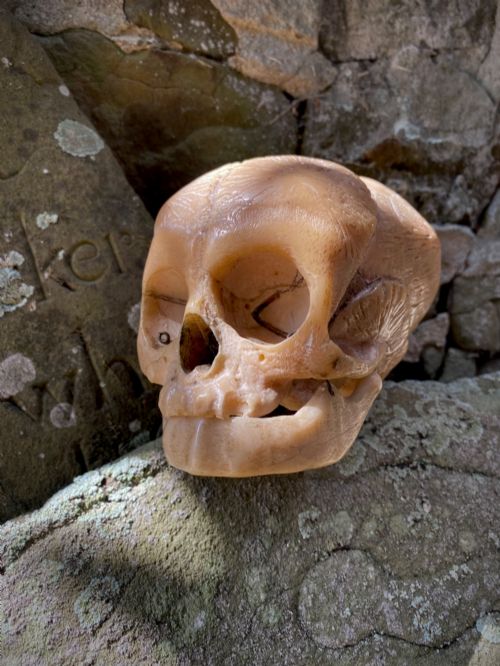
- An artistic or symbolic reminder of the inevitability of death. Common forms include sculpted human skulls or skeleton figures.
- Bijouterie table
- A shallow glass-topped display table utilised for showing small valuables and curiosities. They are commonly constructed from mahogany during the Edwardian era.
- Coco de mer
- A large double seed pod from a species of palm native to the Seychelles. These unusual pods were frequent additions to historic collections.
Vintage Cabinet of Curiosities: Frequently Asked Questions
What is a cabinet of curiosities?
A cabinet of curiosities is a collection of extraordinary objects spanning natural history, science and art. Originating as private rooms of wonder, they evolved into tabletop displays and glazed vitrines.
Today, these assemblages preserve centuries-old scientific instruments, taxidermy and anatomical models for modern collectors.
How do I display taxidermy safely?
Protect taxidermy specimens from direct sunlight and high humidity to prevent fading and material degradation. Glass domes and sealed wooden cases offer essential shielding from dust and handling.
Keep pieces in stable indoor environments away from direct heat sources to maintain the condition of feathers, fur and mounting materials.
How do I date an antique display cabinet?
Examine the wood types, construction methods and glass characteristics to determine the period of a vitrine or display table. Edwardian pieces often feature inlaid mahogany and machine-drawn glass, whilst earlier examples show hand-finished joinery.
Maker stamps, brass hinges and paper labels inside the cabinet framework provide further chronological clues.