



Vintage Buffet Unit
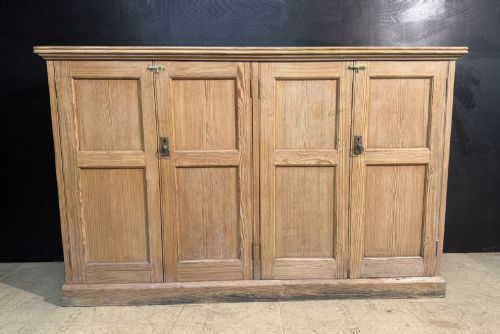
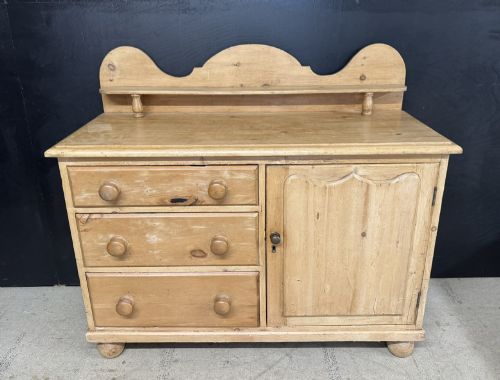
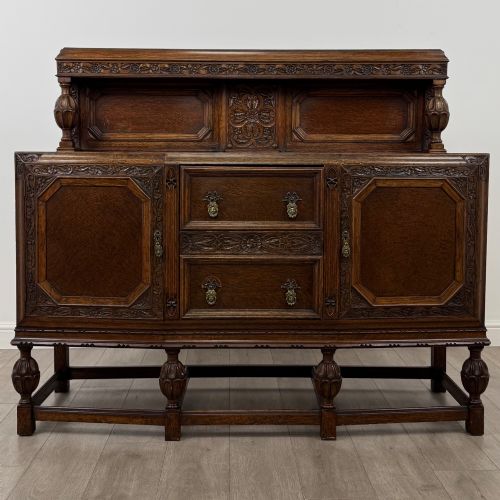
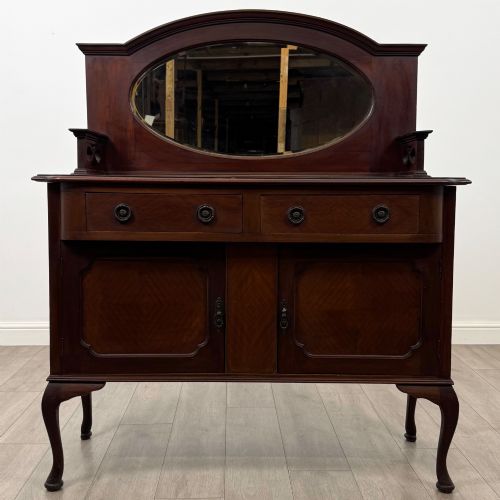
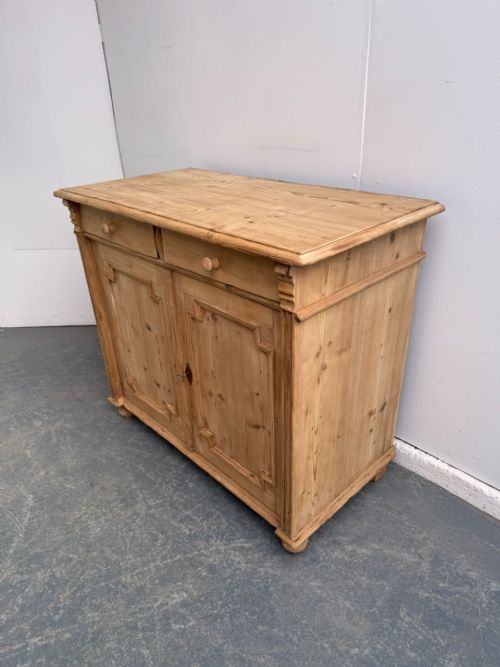
These vintage buffet unit examples bring storage and display together through oak, pine, and mahogany forms spanning the Georgian era to the early twentieth century.
Vintage Buffet Unit
A vintage buffet unit serves as a practical storage piece for dining rooms and kitchens, taking the form of sideboards, dressers, and cupboards. Buyers searching for this phrase encounter various configurations, from Edwardian mirror-back sideboards to nineteenth-century pine dresser bases.
The materials span oak, mahogany, pine, and cherry wood, often fitted with brass hardware, glass, or mirrored panels. Pieces range from simple Georgian country designs to more ornate Art Nouveau and Arts and Crafts creations.
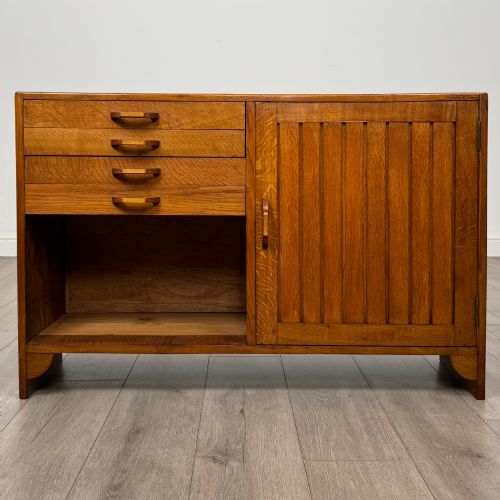
Most examples originate from the nineteenth and early twentieth centuries, reflecting changing domestic needs for storage. Sideboards with tambour doors or shelved interiors sit alongside open-base dressers and housekeepers cupboards.
Materials and construction
Carpenters built these units primarily using solid timber frameworks of oak, mahogany, and pine, joined with traditional woodworking methods. Grain patterns and natural timber tones remain central to the finish, whether polished, waxed, or left in a simpler painted state.
Metal components such as brass face handles and iron fittings secure doors and drawers, while specialised elements like tambour slats provide sliding access. Glass panels and mirrors are integrated into upper sections, particularly within Edwardian mirror-back designs.
Vintage Buffet Unit Retail Price Guide 2026
Typical asking prices for vintage buffet unit among the pieces listed under this phrase on Sellingantiques today, from the lower quarter to the upper quarter. They describe what is for sale here now, not the wider market.
Listings feature woods including oak, pine, mahogany, and cherry, alongside brass, glass, and mirror materials.
Assessing quality and craftsmanship
The standard of a piece rests on the selection of timber and the precision of its joinery. Heavier solid woods and well-fitted doors distinguish sturdier builds from lighter utility items.
Carved details and original hardware contribute to the distinct character of individual items. The integrity of internal shelving and the smooth operation of drawers or tambour doors indicate careful upkeep.
Liberty & Co.
The Vintage Buffet Unit Glossary
- Tambour door
- A flexible door made of narrow strips of wood glued to canvas, allowing it to slide around a curved track. This mechanism appears on smaller oak sideboards.
- Mirror back
- An upright wooden frame containing a mirror attached to the rear of a sideboard surface. Edwardian examples often feature carved wooden borders around these oval or rectangular looking glasses.
- Dresser base
- The lower section of a kitchen or dining dresser, typically featuring cupboards and drawers without the upper shelving rack. These function as independent storage units.
- Housekeepers cupboard
- A large tall storage cabinet traditionally used for storing linens and dry goods in large houses. These feature panelled wooden doors and deep internal shelving.
Vintage Buffet Unit: Frequently Asked Questions
What is a vintage buffet unit used for?
These units provide substantial surface space and internal storage for dining rooms, kitchens, and living areas. They hold tableware, linens, and dry goods while serving as a display surface.
In modern homes, they function as credenzas, hallway storage, or media consoles depending on the internal layout of shelves and cupboards.
How do I identify an Edwardian sideboard?
Edwardian pieces often feature lighter oak or mahogany construction combined with decorative carving or brass hardware. Many include elevated mirror backs with bevelled glass plates.
The overall aesthetic tends to balance traditional proportions with cleaner lines than heavier Victorian precedents.
Are pine dressers suitable for modern kitchens?
Pine dressers offer durable storage and a traditional aesthetic that suits both rustic and contemporary interiors. The timber can be maintained with wax or painted to match existing decor.
Open bases and shelved cupboards provide accessible storage for everyday kitchen items and tableware.
What is the difference between a sideboard and a dresser?
Sideboards are typically lower rectangular units designed primarily with cupboards and drawers for serving food and storing dining accessories. Dressers often include taller proportions or upper shelving racks for displaying crockery.
Both forms utilise similar timbers like oak and pine but serve slightly different organisational roles within the home.