
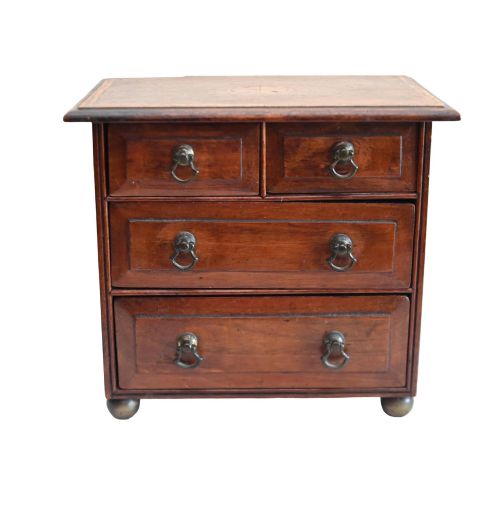
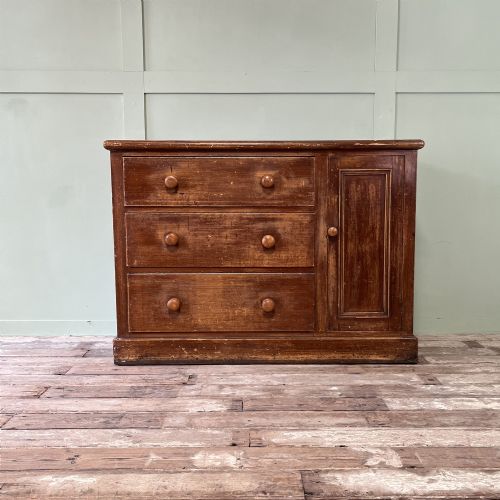
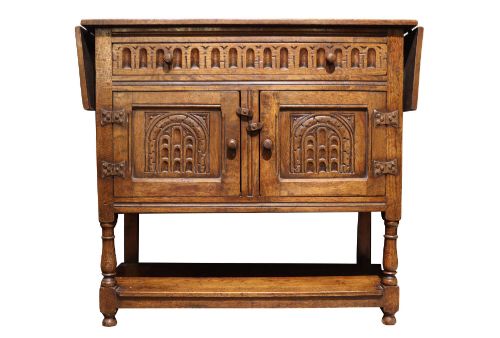
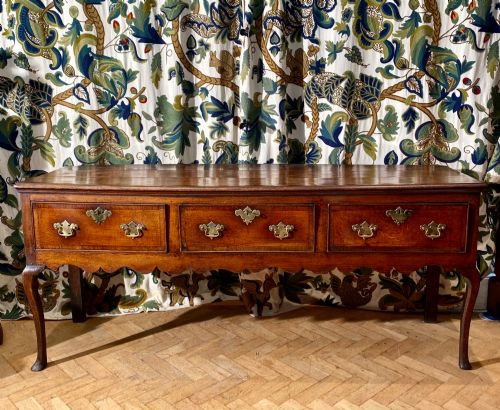
Vintage Brown Sideboard
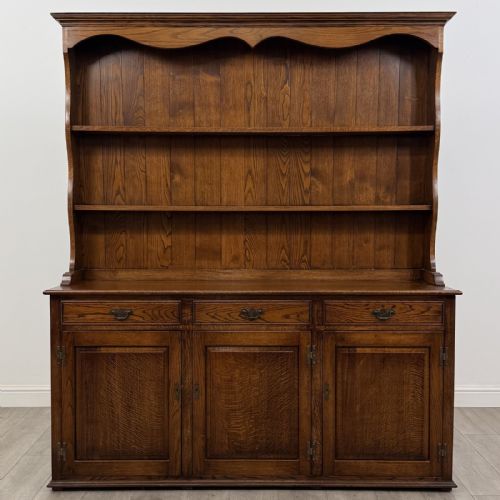
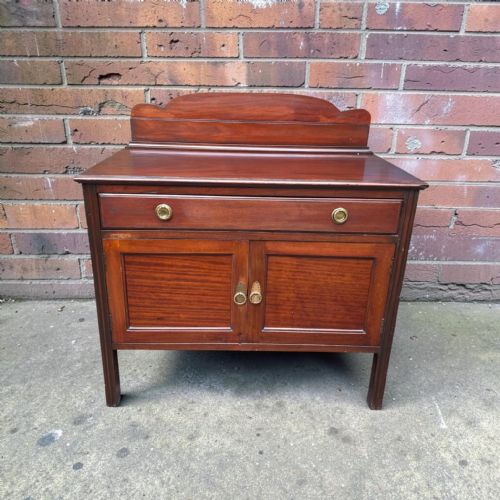
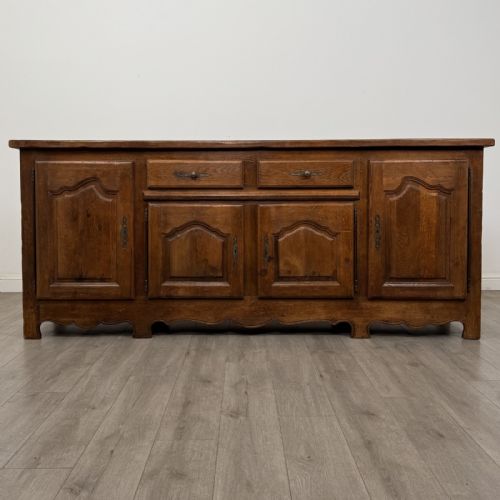
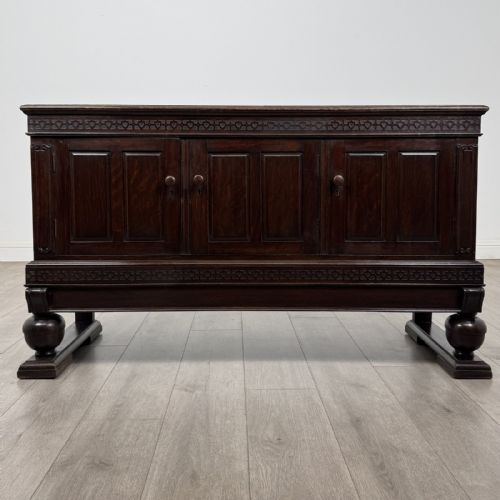
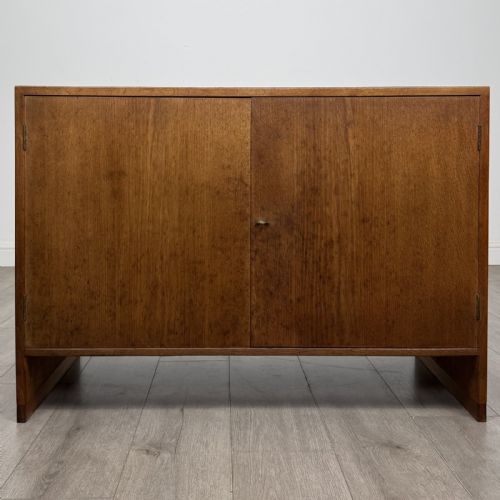
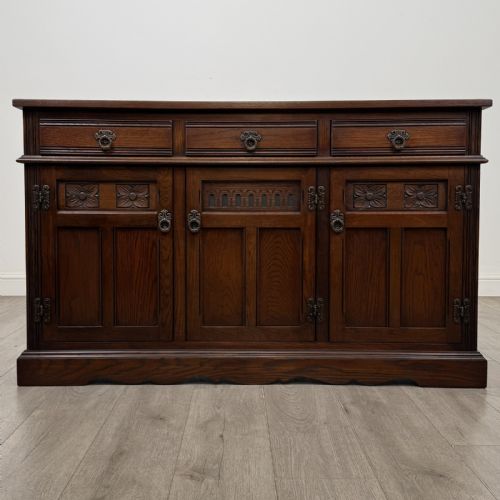
A vintage brown sideboard anchors a dining room or hallway with rich timber tones and substantial storage.
Vintage Brown Sideboard
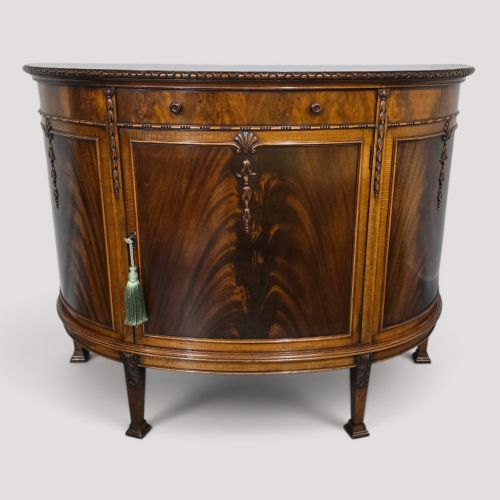
A vintage brown sideboard serves as a practical dining room or living space storage unit, encompassing forms such as side cabinets, cupboards, dressers, and serving tables. When searching this phrase, buyers encounter pieces spanning multiple eras, from eighteenth-century oak dresser bases and nineteenth-century mahogany cabinets to early twentieth-century oak sideboards.
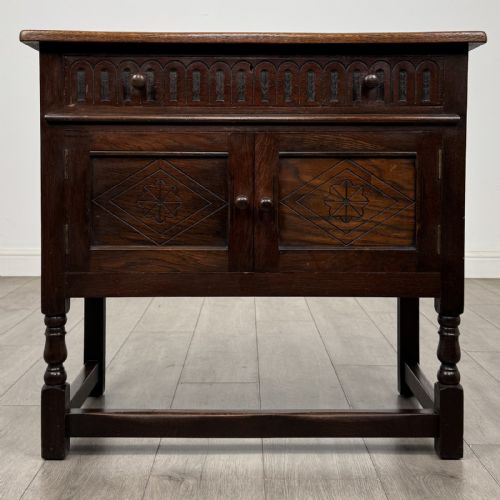
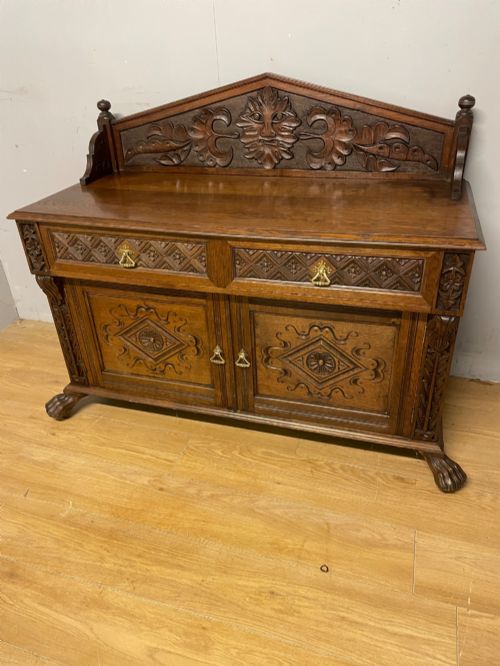
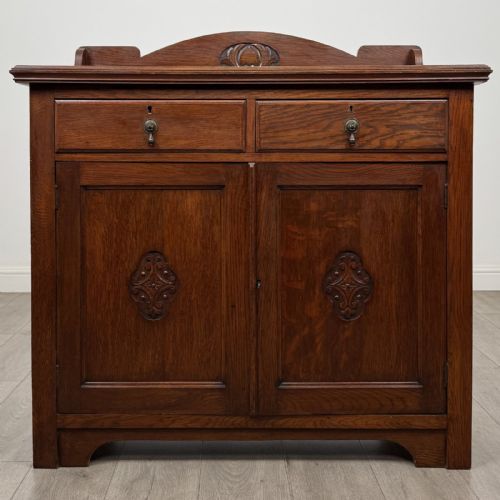
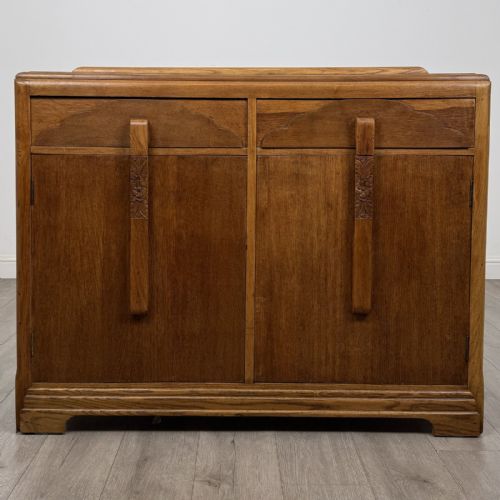
The materials are predominantly brown timbers, with solid oak and mahogany appearing most frequently alongside burr walnut, padouk, and pine. These brown sideboards range from simple rustic serving tables to large carved Jacobean revival designs and sleek Art Deco pieces with raised galleries.
Materials and construction
Cabinet makers utilised heavy timbers such as oak, mahogany, and walnut, often shaping them into solid or veneered structures. Surface decoration frequently involved hand carving, such as green man motifs or geometric panels, alongside inlaid details and turned legs.
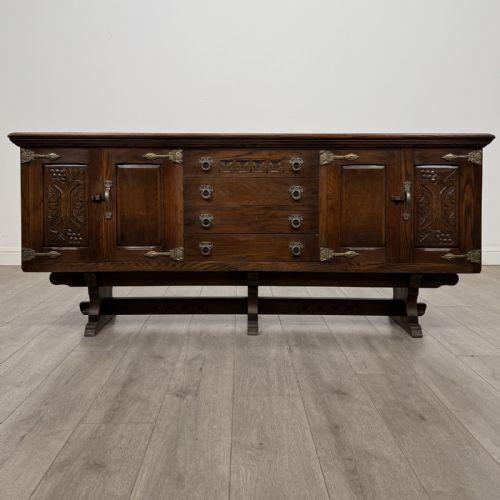
Hardware typically included brass handles to complement the dark wood tones, while some iterations incorporated glass panels or marble tops. Interiors were fitted with shelves, fitted drawers, or stretcher bases to ensure stability and utility.
Listings span from the 18th Century through the Edwardian era to the 1930s, featuring woods like oak, mahogany, and burr walnut.
Factors of quality
The distinction between standard examples and superior pieces rests on the choice of timber and the precision of the joinery. Figured mahogany, burr walnut, and solid old-growth oak command attention through their natural grain patterns and substantial weight.
Execution of decorative elements separates fine workshops from mass production. Crisp hand-carved detailing, well-fitted drawers with dovetail construction, and original brass hardware indicate superior craftsmanship.
Charles Dudouyt·Maurice Adams
The Vintage Brown Sideboard Glossary
- Dresser Base
- An open or closed table structure with drawers, originating from earlier centuries before upper shelving superstructures became standard. These serve as robust storage surfaces.
- Bow Front
- A convex curved front contour popular in eighteenth and nineteenth-century cabinet making. This shape softens the profile of large brown timber furniture.
- Enfilade
- A long sideboard or cabinet with a series of doors along the front, often associated with French dining furniture. They provide extensive linear storage.
- Stretcher Base
- A system of horizontal wooden bars connecting the legs of a table or cabinet near the floor. This construction adds rigidity and structural support.
Vintage Brown Sideboard: Frequently Asked Questions
Where should I place a sideboard?
A sideboard fits naturally against a dining room wall, a wide hallway, or a living area where it provides surface space and concealed storage.
Position it away from direct heat sources to protect the brown timber from drying out and splitting over time.
How do I clean wooden surfaces?
Dust the timber regularly with a soft, dry cloth to prevent dirt accumulation on the carved details and flat panels.
Apply a quality beeswax periodically to nourish the mahogany, oak, or walnut grain without leaving a sticky residue.
How do I date an oak sideboard?
Examine the construction methods, such as hand-cut dovetails in the drawers and the style of the carving. Jacobean revival pieces feature heavy geometric mouldings, while Arts and Crafts examples display simpler, honest construction.
Hardware styles and timber patination also offer strong clues to the decade of manufacture.