






Vintage Brown Couch
A vintage brown couch brings deep leather, rich mahogany and traditional English comfort into a room.
Vintage Brown Couch
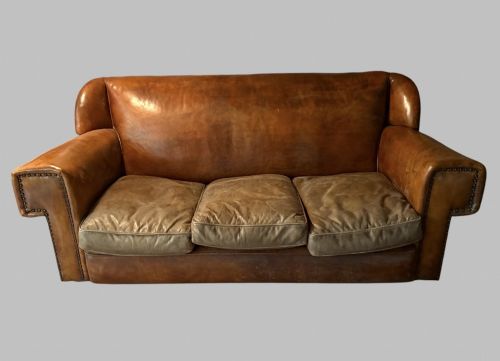
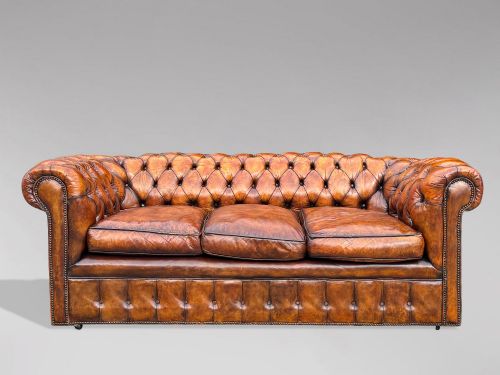
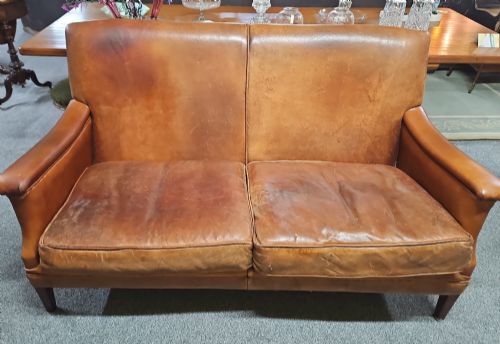
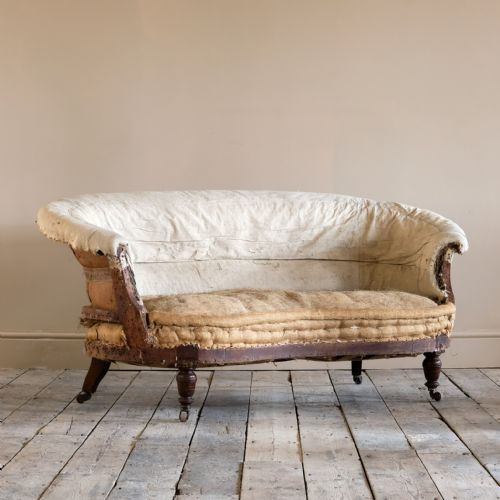
A vintage brown couch encompasses robust leather Chesterfields, walnut settees and mahogany frames originating from the Victorian, Edwardian and Regency periods. Buyers searching this phrase meet substantial three-seater Chesterfields and deep-buttoned lounge suites alongside French-influenced cane and carved wood frames.
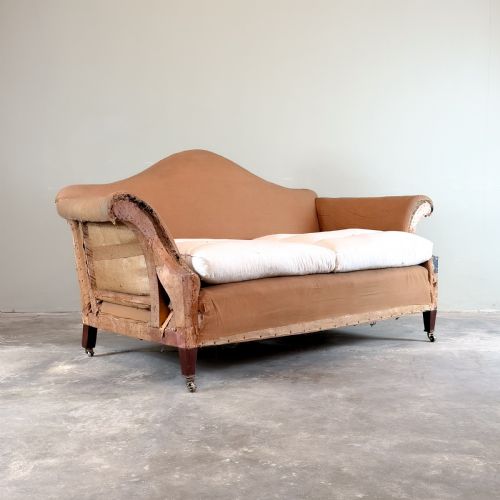
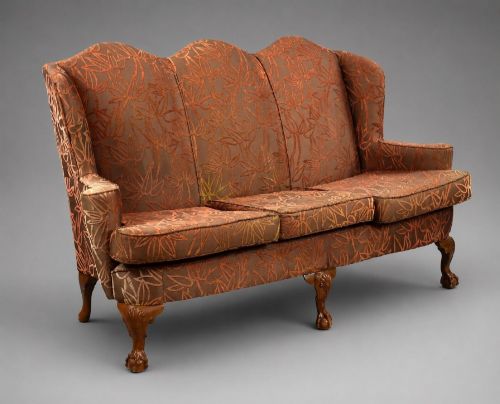
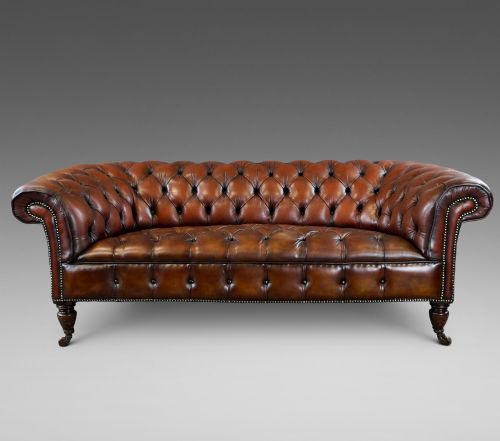
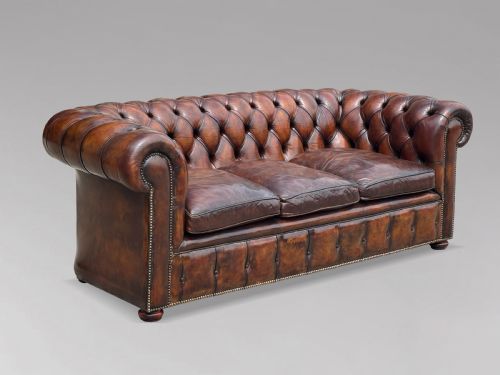
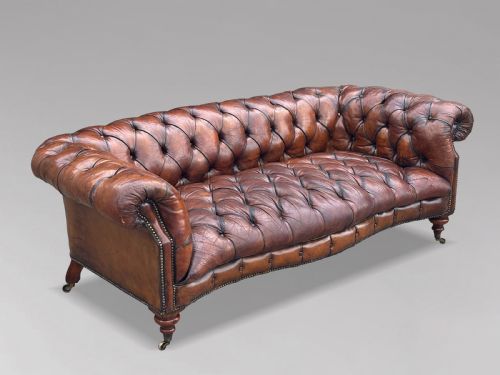
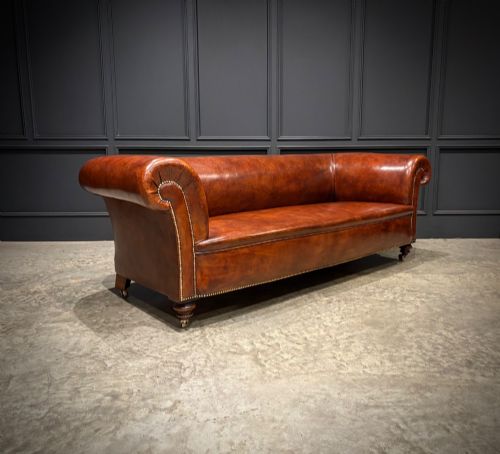
The most common form on this page is the Victorian or early twentieth-century leather Chesterfield featuring hand-dyed whisky brown hides and deep buttoning. Alongside these sit Queen Anne style walnut sofas, Edwardian camel back designs and drop-end seating from the nineteen-twenties.
Origins stretch across English country houses and continental workshops, incorporating occasional framed prints alongside heavy seating. The overarching style leans heavily into traditional English craftsmanship, mixing dark hardwoods with supple leather and hessian support.
What Varies in Quality
The standard of a vintage brown couch depends on the integrity of its original internal stuffing, such as horsehair, and the depth of patina on the leather hide. Hand-dyed finishes that retain natural grain variation separate superior hides from flat, uniform surfaces.
Frame construction also dictates value, with dense carved walnut or solid mahogany providing greater longevity than softer secondary woods. The precision of hand-applied deep buttoning and the retention of original un-restored elements further mark out higher-grade examples.
Vintage Brown Couch Retail Price Guide 2026
Typical asking prices for vintage brown couch among the pieces listed under this phrase on Sellingantiques today, from the lower quarter to the upper quarter. They describe what is for sale here now, not the wider market.
Listings feature leather, mahogany, walnut, and brass across Victorian, Edwardian, and Regency periods.
Hampton and Sons·Maple and Co·Howard and Sons
The Vintage Brown Couch Glossary
- Chesterfield
- A traditional style of sofa characterised by deep buttoning, rolled arms of the same height as the back, and leather upholstery. It forms the backbone of the leather seating options recorded here.
- Horsehair
- A traditional animal-hair stuffing material utilised in upholstery for its resilience and ability to hold shape over decades of use. It is commonly found inside period Victorian and Edwardian seating.
- Hessian
- A coarse woven fabric, typically made from jute fibres, used as a sturdy backing or support layer beneath internal sofa padding. It underpins the traditional construction methods of these frames.
- Drop End
- A sofa design featuring an adjustable or dropping arm mechanism that allows the user to lie flat. This mechanical feature appears on specific drop-end seating from the early twentieth century.
- Chaise Longue
- An upholstered long chair designed for reclining, combining a sofa back with an extended seat. Examples range from Regency mahogany frames to Victorian drop-arm versions.
Vintage Brown Couch: Frequently Asked Questions
What is a vintage brown couch made of?
These pieces combine solid hardwoods like mahogany and walnut with natural leather hides and traditional fillings.
Internal support often relies on hessian fabric and horsehair stuffing rather than modern synthetic foams.
How do I care for antique leather?
Leather upholstery benefits from regular dusting and occasional treatment with appropriate leather balms to maintain flexibility.
Keeping the leather away from direct heat sources prevents the hide from drying and cracking over time.
Are these sofas comfortable for daily use?
Many period pieces feature deep seats and supportive coil springing designed for practical living and lounging.
Older padding methods offer a firmer, more supportive sit compared to modern deep-sink cushions.
How can I tell the period of a couch?
Dating relies on observing structural clues such as wood types, carving styles, and the specific method of buttoning and upholstery.
Victorian pieces often display heavier proportions and darker woods, while Edwardian examples can appear slightly lighter in build.